Pay More Or Get Less: Biscuits To Tea, Your Grocery Bill Will Rise Again
Source Entity
NDTV News Search Records Found 1000
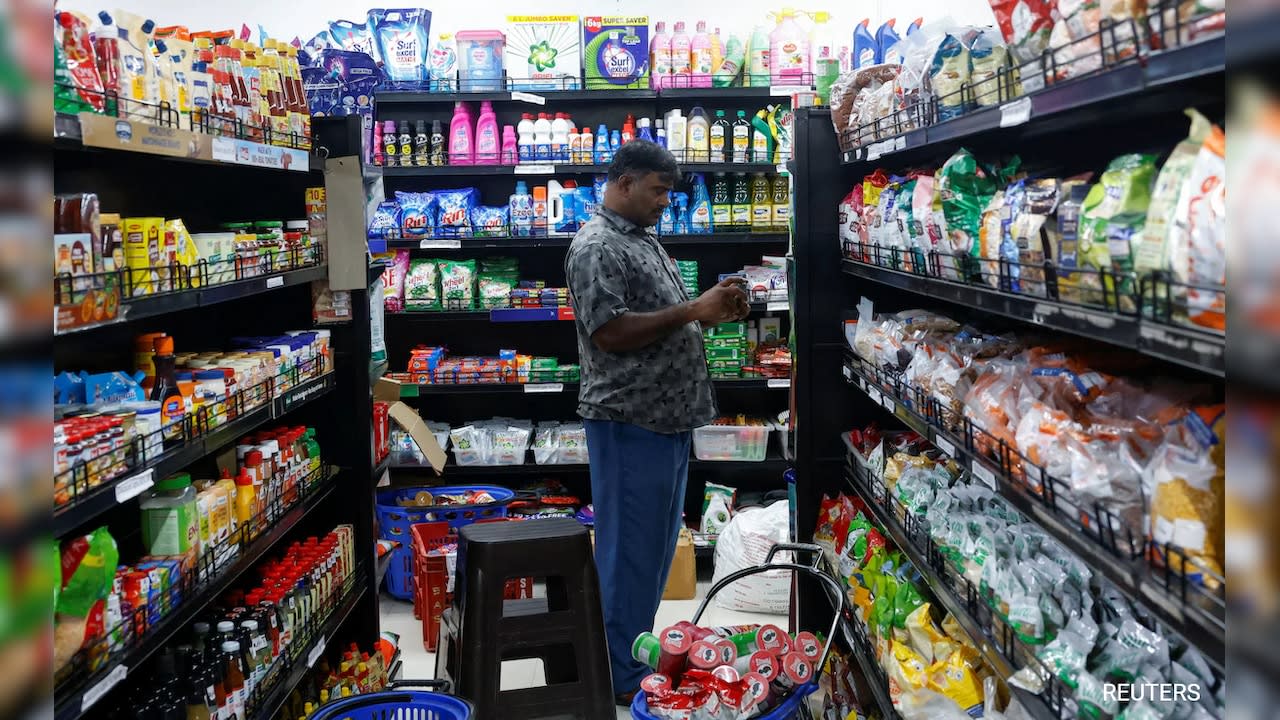
Consumers are bracing for higher grocery bills as manufacturers turn to 'shrinkflation' to manage rising costs. Companies are choosing to reduce package quantities rather than increasing the retail price of everyday essentials.
The Resurgence of Shrinkflation: A Strategic Response to Inflation
Recent market indicators suggest that consumers are once again facing the silent impact of inflation through a practice commonly known as 'shrinkflation.' Companies across the fast-moving consumer goods (FMCG) sector, ranging from biscuit manufacturers to tea producers, are actively planning to reduce the quantity of product in individual packs. This tactical adjustment allows brands to maintain a consistent 'psychological' price point for the consumer, effectively hiding the rising cost of production behind a smaller package size.
The Mechanics of Hidden Price Hikes
Shrinkflation is a sophisticated tool used by manufacturers to navigate periods of volatile input costs, such as the rising prices of raw materials, energy, and logistics. By keeping the unit price—the price tag on the shelf—stable, companies aim to avoid the immediate consumer backlash that typically accompanies a direct price increase. For the average shopper, a biscuit pack that looks identical to the one purchased last month may now contain fewer units, resulting in a higher cost per gram without an explicit change in the ticket price.
Economic Drivers and Corporate Strategy
This trend is fundamentally driven by the need to protect profit margins in an environment where inflation exerts downward pressure on corporate earnings. When companies face increased overheads, they are essentially presented with two choices: increase the retail price, which risks losing market share to competitors, or reduce the quantity per pack. The latter is often preferred as a 'stealth' measure, as many consumers are more sensitive to changes in the price tag than they are to subtle variations in net weight or count.
Consumer Impact and Market Transparency
For the end consumer, the implications are significant. As essential grocery items like tea and biscuits experience these adjustments, household budgets are quietly eroded. While the price at the register remains steady, the actual value received for every dollar spent decreases. This trend necessitates a higher level of consumer awareness, as shoppers must increasingly pay attention to 'price per unit' labels rather than the total cost of the package to truly understand the inflation impacting their groceries.
Looking Ahead: The Future of Grocery Pricing
Looking forward, it is likely that shrinkflation will remain a dominant strategy for manufacturers as long as global supply chain pressures persist. As companies continue to grapple with inflationary hurdles, consumers should expect to see more of these subtle reductions in pack sizes across various categories. The long-term trend suggests that unless input costs stabilize significantly, the gap between the perceived cost of living and the actual volume of goods purchased will continue to widen, making smart shopping and unit-price comparison essential skills for the modern consumer.
Verification Required?