Texas ranch sale created over 90% of Guadalupe Mountains National Park
Source Entity
TOI WORLD DESK
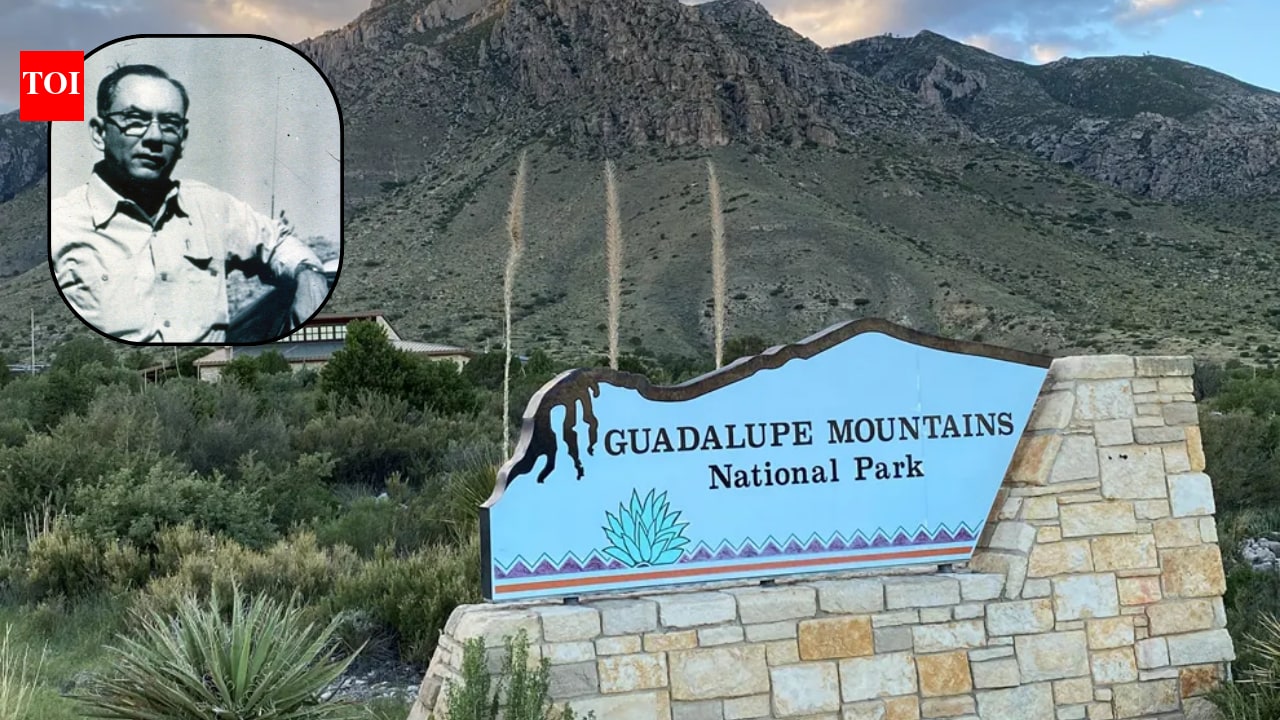
The Guadalupe Mountains National Park owes its existence to the Hunter family, who transitioned their massive Texas ranch holdings into federal land. A 1969 sale of over 72,000 acres by J.C. Hunter Jr. ultimately provided the majority of the park's territory.
The Legacy of the Hunter Ranch and Guadalupe Mountains National Park
The Genesis of a National Treasure
The transformation of the Guadalupe Mountains from private ranch land into a protected National Park is a story of persistence and generational stewardship. In 1934, rancher J.C. Hunter made an initial proposal to the United States government to donate 43,200 acres of his Texas property for the purpose of creating a national park. Valued at $237,600 at the time, this early vision sought to preserve the rugged beauty of the region, yet the proposal failed to gain the necessary federal momentum to proceed, leaving the land in private hands for several more decades.
Generational Stewardship and the 1969 Deal
Following the passing of the elder Hunter, the ranching legacy transitioned to his son, J.C. Hunter Jr. The passage of time did not diminish the family's connection to the land or their interest in its preservation. In 1969, the younger Hunter facilitated a monumental transaction that would permanently alter the landscape of West Texas. By selling 72,071 acres of the family ranch for $1.5 million, the Hunter family provided the foundational acreage required to establish Guadalupe Mountains National Park.
The Scale of the Contribution
To understand the significance of this sale, one must look at the sheer geography involved. This single transaction accounts for more than 90% of the current park's footprint. While the Hunter family were not the sole stakeholders involved in the broader effort to protect the region, their contribution was the definitive catalyst. Without this specific transfer of property, the park as it exists today—spanning vast, ecologically diverse mountain terrain—would likely have been fractured or entirely nonexistent.
Historical Context of Land Conservation
The 1934 offer, had it been accepted, would have accelerated the protection of the Guadalupe Mountains by thirty-five years. This delay highlights the complex nature of mid-20th-century federal land acquisition, where bureaucratic hurdles and shifting priorities often stalled conservation efforts. The eventual success of the 1969 deal reflects a changing national attitude toward environmental preservation, moving away from purely economic land use toward a more permanent, public-access model.
The Lasting Impact of a Working Ranch
The history of the Guadalupe Mountains is inextricably linked to its roots as a working ranch. The infrastructure, trails, and land management practices established by the Hunter family left an indelible mark on the environment. Today, visitors to the park are walking through terrain that was once carefully managed for livestock, serving as a reminder that the preservation of wilderness often relies on the cooperation of private landowners who view their property as a legacy worth sharing with the public.