‘Shrine belongs to Dawoodi Bohras’: Old records settle Patan shrine dispute in Gujarat HC
Source Entity
Aditi Raja
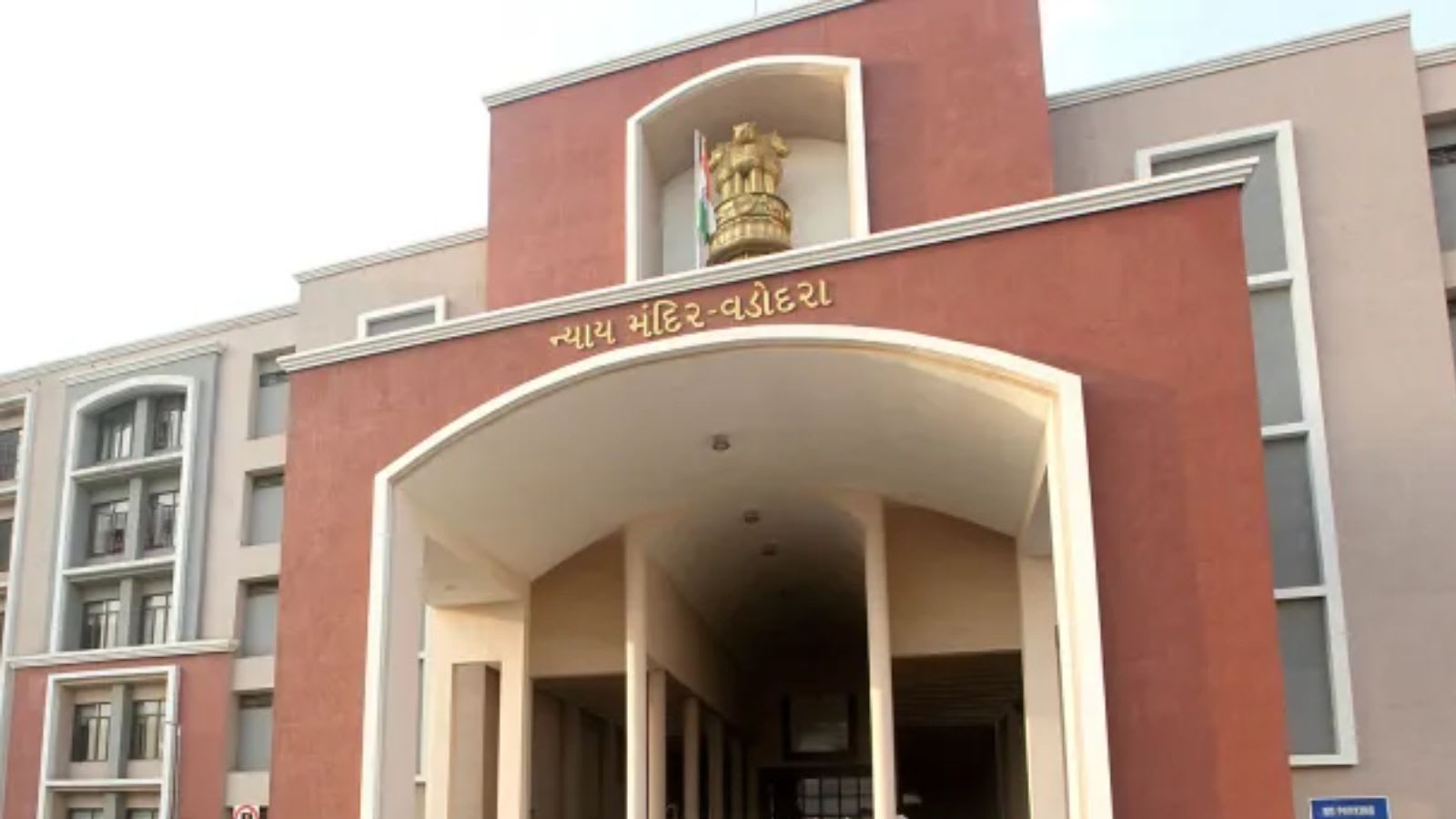
The Gujarat High Court has resolved a long-standing dispute over the Anavada shrine in Patan, ruling in favor of the Dawoodi Bohra community. The court relied on century-old records and inscriptions to reject claims by the Faruqui family, affirming the site as a Dawoodi Bohra burial ground.
Legal Resolution of the Anavada Shrine Dispute
The Gujarat High Court has effectively brought an end to a protracted legal battle concerning the religious identity and administrative control of the Anavada shrine in Patan. In a comprehensive 137-page judgment, Justice J.C. Doshi dismissed an appeal filed by Kutubuddin Fakruddin Faruqui, thereby affirming the long-held association of the site with the Dawoodi Bohra community. This decision marks a definitive conclusion to a conflict that has spanned years, centering on whether the site functioned as a Sunni-Hanafi-Barelvi shrine or, as the court ultimately determined, the 'Maulana Yaqub Saheb Dargah and Dawoodi Bohra Kabrastan.'
The Role of Historical Evidence
Central to the court’s decision was the meticulous examination of a century-old paper trail and ancient inscriptions. The reliance on such historical documentation highlights the judiciary's approach to resolving complex civil disputes involving religious institutions. By prioritizing archival evidence over contemporary, contested claims, the court underscored the importance of historical continuity in establishing legal ownership and religious affiliation within the Waqf framework.
Judicial Consistency and Procedural History
This High Court ruling serves as a validation of the lower judicial processes, specifically upholding the findings of the Waqf Tribunal dated February 9, 2026. The tribunal had previously endorsed the Gujarat Waqf Board’s resolution from April 24, 2025, which officially designated the site as a Dawoodi Bohra property. By dismissing the appellants' challenge, the High Court has reinforced the administrative authority of the Waqf Board in delineating the status of religious properties based on verified historical records.
Broader Implications for Waqf Property Disputes
This case serves as a significant precedent for how Waqf property disputes are adjudicated in India. It demonstrates that when religious sites are subject to competing claims, the court will rely heavily on established historical documentation rather than shifting interpretations of sectarian identity. The clarity provided by this judgment helps prevent future litigation by solidifying the status of the Anavada shrine within the public record, thereby ensuring stability for the Dawoodi Bohra community regarding their burial grounds and religious sites.
Future Trends in Religious Property Litigation
As India continues to modernize its land and religious property records, the use of ancient inscriptions and archival evidence will likely remain a cornerstone of judicial reasoning. This case highlights a shift toward a more evidence-based approach in resolving identity-based claims, potentially discouraging frivolous litigation. By affirming the specific identity of the shrine, the court has provided a roadmap for managing similar disputes, emphasizing the necessity of preserving and documenting historical records to ensure long-term legal certainty for religious trusts and communities across the state.