Historic first: Democrat Hakeem Jeffries nominated to become House Speaker
Source Entity
AASHISH VASHISTHA
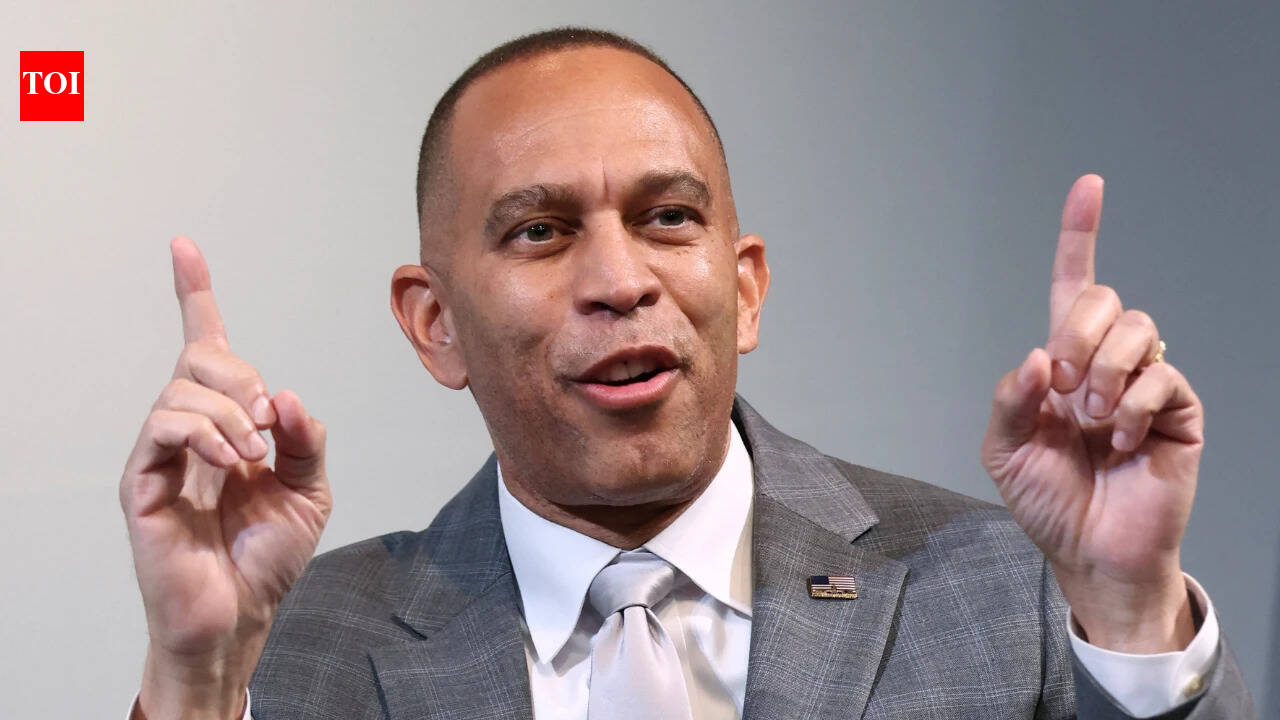
Hakeem Jeffries has secured the Democratic nomination for Speaker of the House, positioning him to become the first Black person to hold the role. He now faces a formal floor vote on January 3, 2027, amid pressure from the party's progressive wing.
A Historic Shift in House Leadership
Democratic Representative Hakeem Jeffries of New York has officially secured the nomination for Speaker of the House following a decisive 251-11 vote during a closed-door Democratic caucus meeting. This milestone positions Jeffries to become the first Black politician to lead the U.S. House of Representatives, a landmark achievement in American legislative history. While his nomination by the caucus is a significant victory, the path to the gavel remains subject to a formal House-wide vote scheduled for January 3, 2027.
The Path to the Speakership
The transition comes at a pivotal moment for the Democratic Party, which is set to assume the majority in the House following recent election successes. Having previously served as the House Minority Leader, Jeffries has spent months navigating internal party dynamics. Despite the overwhelming support received in the private nominating vote, Jeffries must now maintain party unity to ensure a successful outcome on the House floor in January. His elevation is widely viewed as a transition from his previous role as minority leader to the most powerful position in the chamber.
Internal Pressures and Progressive Expectations
Although Jeffries ran unopposed for the nomination, his path is not without friction. The incoming Speaker faces a restive party base, particularly from the progressive wing, which is demanding significant changes following the recent election cycles. Public pressure, manifested through social media campaigns and vocal protests—such as those seen at a recent Democratic conference in Denver—highlights the tension between the party's establishment and its more radical elements. These constituents are calling for a fresh start, signaling that Jeffries will need to balance institutional leadership with the legislative demands of his diverse caucus.
Preparing for a New Political Landscape
The legislative agenda ahead is complex, as Democrats prepare for inevitable clashes with President Donald Trump and the Republican opposition. The party's victory in the midterms was seen by many as a direct rebuke of the current administration, emboldening Democrats to challenge the status quo. Jeffries will be expected to serve as the primary legislative counterweight to the executive branch, a responsibility that will test his ability to manage a unified caucus while facing intense political scrutiny from across the aisle.
The Challenges of Governance
As January 3 approaches, the logistical challenge for Jeffries is to translate his internal caucus support into a successful floor vote. While he appears to be on a 'glide path' to the speakership, the history of House leadership votes suggests that precision and party discipline are paramount. The coming term will be defined by how effectively the new Speaker can manage these competing factions, address the demands of the progressive wing, and successfully navigate the legislative hurdles inherent in a divided Washington. His tenure will likely be scrutinized for its ability to deliver on the promises made during the campaign period.