Silicon Valley’s AI wunderkind launches Underdog, the most private Instinct/Muse competitor yet
Source Entity
Julie Bort
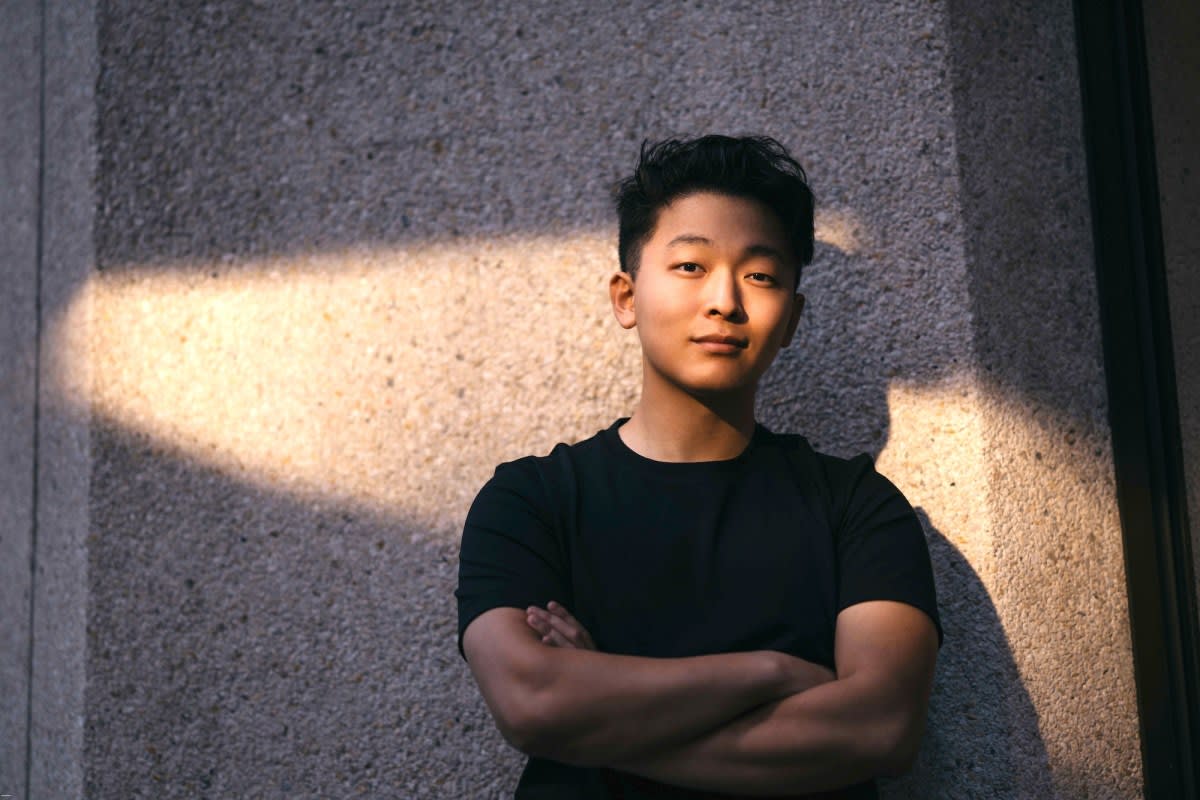
Two new startups, Hark and Underdog, have launched AI personal assistants aiming to challenge established players like Muse, Dots, and Instinct. Both prioritize privacy and specialized computer-use capabilities to differentiate themselves in a competitive market.
The New Wave of AI Personal Assistants
The landscape of artificial intelligence is shifting from general-purpose chatbots toward specialized, agentic personal assistants. Recent entries from startups Hark and Underdog signal a growing industry focus on creating AI that does not merely converse, but actively performs tasks on behalf of the user. By positioning their tools as 'operating systems' or on-device companions, these companies are attempting to capture the market currently dominated by established entities like Muse, Dots, and Instinct.
Hark Pro and the Shift to Computer-Use Models
Founded by serial entrepreneur Brett Adcock, Hark is entering the fray with a distinct philosophy: focus on utility over grandiosity. Rather than attempting to achieve Artificial General Intelligence (AGI) or solve complex scientific problems, Hark is positioning its product, Hark Pro, as a specialized model trained specifically for computer use. This pragmatism serves as a strategic differentiator in a sector often criticized for over-promising on the capabilities of Large Language Models.
The Privacy Imperative
Underdog, spearheaded by self-taught coder Sigil Wen, represents the other side of this new competitive coin. With a pedigree rooted in Silicon Valley’s elite AI circles—having worked alongside founders from Perplexity and OpenAI—Wen is leveraging his deep technical background to prioritize on-device privacy. By ensuring that the AI assistant operates locally, Underdog aims to address the growing consumer anxiety surrounding data harvesting and the cloud-based processing of personal information.
Historical Context and Industry Pedigree
Sigil Wen’s journey, which involved living in an AI hacker house with researchers like Andrej Karpathy and testing early iterations of tools like Claude and Midjourney, highlights the incestuous and rapid nature of Silicon Valley innovation. This background provides Underdog with a level of credibility that is essential when entering a market where trust is the primary currency. His experience with high-profile projects, including Airchat, suggests a focus on the social and utility-driven aspects of software development.
Market Implications and Future Trends
The emergence of Hark and Underdog suggests that the 'must-have' AI product is no longer a static chatbot. The industry is clearly trending toward 'agentic' workflows—AI that can navigate interfaces, manage files, and execute multi-step processes on a user's machine. As these startups scale, the success of their business models, which rely on a mix of free access and subscription tiers, will likely set the standard for how future AI services are monetized.
Conclusion
While the competition from entrenched players remains fierce, the market is currently rewarding startups that offer specialized, privacy-focused, and highly practical solutions. By focusing on the 'user interface for AI' rather than abstract intelligence, Hark and Underdog are effectively catering to a user base that demands efficiency and security in their daily digital interactions. The next phase of the AI revolution will likely be defined by which of these assistants can most reliably control the computer, rather than which one can simply generate the most convincing text.