Harmanpreet will be able to bat with freedom: Coach Kamaldeesh
Source Entity
The Indian Express
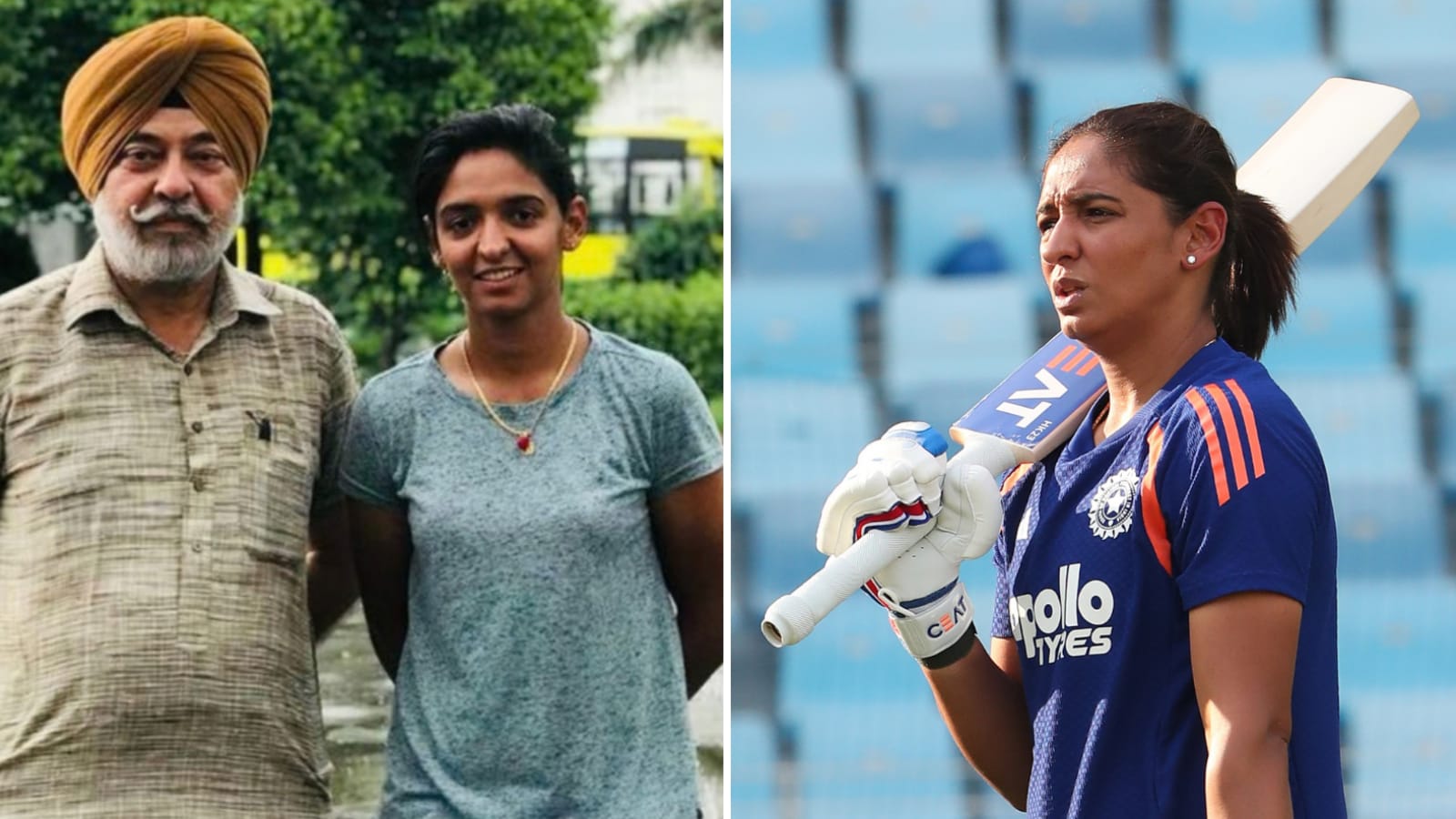
Harmanpreet Kaur has resigned as India's women's cricket captain across all formats following a leadership review with the BCCI. Her departure marks the end of an era for the World Cup-winning leader, with vice-captain Smriti Mandhana expected to take over.
The End of an Era: Harmanpreet Kaur Steps Down
Harmanpreet Kaur, a transformative figure in Indian cricket, has officially resigned from her position as captain of the Indian women's national team across all formats. At 37, she leaves behind a legacy defined by grit, tactical acumen, and the historic achievement of being the only captain to lead India to a Women’s World Cup title. This resignation, announced via a formal statement on Instagram, marks a significant transition point for Indian cricket.
A Legacy of Leadership and Ambition
Harmanpreet’s tenure has been synonymous with the rise of women’s cricket in India. Beyond her statistics, she is remembered for her intensity and her ability to perform under extreme pressure—most notably immortalized by the iconic image of her World Cup-sealing catch. Her leadership was not passive; she was a proactive captain who commanded the field with an aura that galvanized her teammates and intimidated opponents. Her career trajectory has set a benchmark for future generations, establishing her as one of the most successful captains in the country's history.
The Catalyst: BCCI Review and Strategic Realignment
The decision to step down follows a pivotal review meeting held in Guwahati with BCCI secretary Devajit Saikia. Reports indicate that while Harmanpreet initially expressed a desire to continue leading in ODI and Test formats—citing the necessity of experience at the helm—the BCCI maintained a firm stance on the necessity of a total leadership transition. This highlights the ongoing evolution within the BCCI’s management regarding the future of the women’s team.
Addressing Form and the Future
During discussions, Harmanpreet acknowledged that her recent batting form, particularly in T20s, had not reached her personal standards. She expressed a willingness to step aside to allow the younger generation of talent to flourish. This admission reflects both her humility and her long-term commitment to the health of the Indian squad. Despite her personal desire to continue in longer formats, the board’s insistence on a clean break suggests a strategic pivot toward rebuilding the leadership core.
The Path Forward: A New Chapter
As the curtains close on Harmanpreet’s illustrious stint, the focus shifts to the future. Vice-captain Smriti Mandhana is widely considered the frontrunner to assume the captaincy. The transition represents a broader trend in international cricket, where boards are increasingly prioritizing youth and specific format-based leadership roles to ensure longevity and tactical freshness. Harmanpreet’s departure is not merely the end of an individual’s career at the helm, but a signal of a new phase for Indian women’s cricket as it adapts to the modern demands of the sport.
Multiple Citing Sources