What happened in BCCI meeting that led to Harmanpreet stepping down
Source Entity
Latest News: Todays Latest News Headlines from India & World | Hindustan Times | Hindustan Times
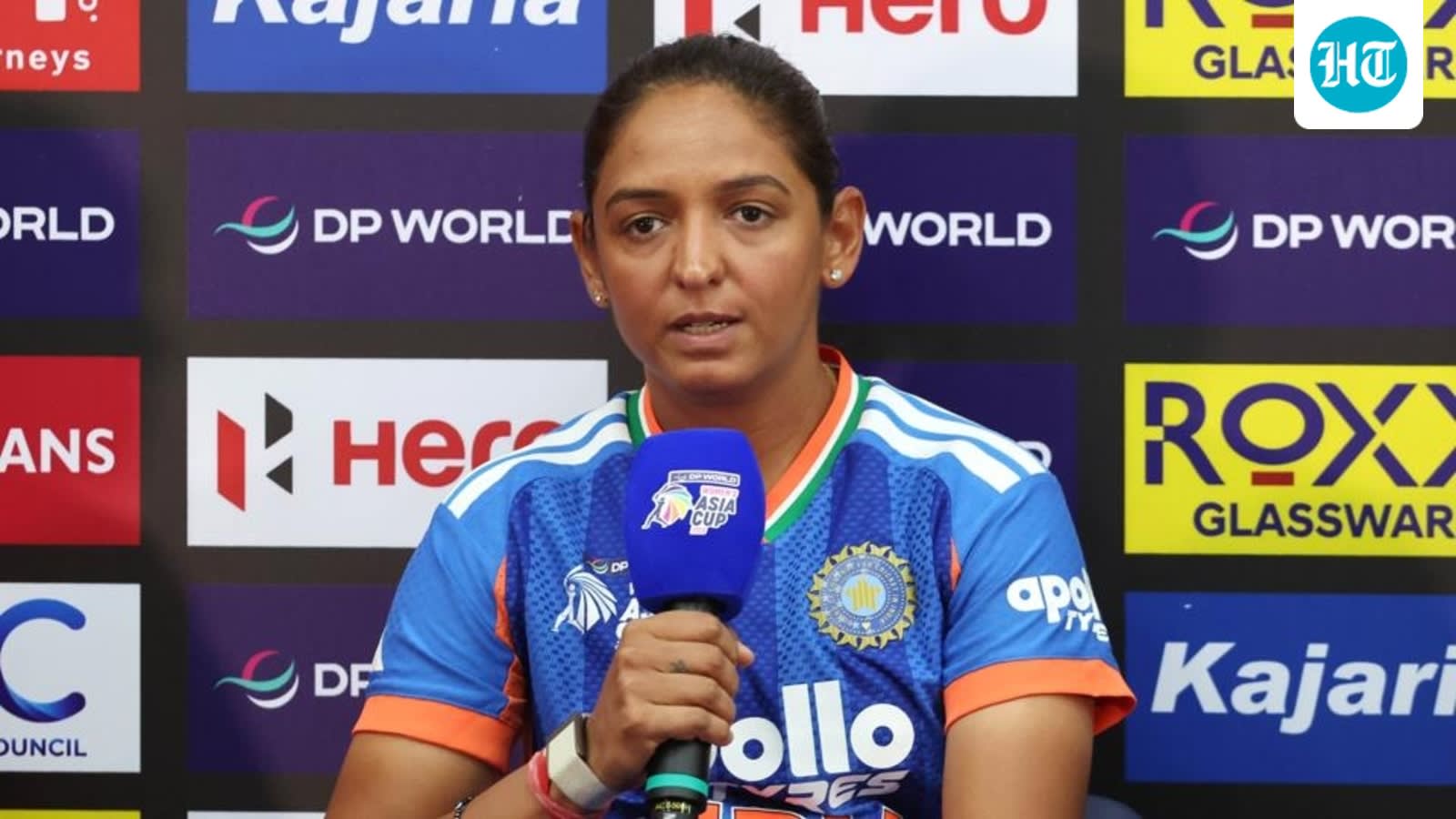
Harmanpreet Kaur has officially resigned as India's women's cricket captain across all formats following a leadership review by the BCCI. Her departure marks the end of an era for the World Cup-winning leader, with Smriti Mandhana expected to take over the role.
The End of an Era: Harmanpreet Kaur Steps Down
In a significant development for Indian cricket, Harmanpreet Kaur has officially announced her resignation as the captain of the Indian women's cricket team across all formats. At 37, Kaur leaves behind a legacy defined by her historic leadership, most notably becoming the first and only player to lead an Indian women's side to an ODI World Cup victory. Her tenure has been synonymous with grit, determination, and a transformation in how the women's game is perceived within the nation.
A Legacy of Leadership
Kaur’s impact on the sport extends far beyond her statistics. Her leadership style, characterized by a fierce competitive aura and an ability to rise to the occasion, has left an indelible mark on Indian cricket. As the third Indian captain—across both men’s and women’s cricket—to secure an ODI World Cup, she cemented her status as one of the greatest cricketers in the country's history. The iconic image of her securing a World Cup-winning catch remains a defining moment of her career, symbolizing her commitment to the team's collective dream.
The Catalyst: BCCI Review and Strategic Transition
The decision to step down followed a pivotal review meeting held in Guwahati with BCCI secretary Devajit Saikia. Reports indicate a discrepancy in expectations; while Kaur initially aimed to retain leadership in ODI and Test formats while acknowledging her recent struggles in T20 batting form, the BCCI maintained a firm stance on a complete leadership transition. The board’s insistence on moving toward a new chapter suggests a strategic shift in the team's long-term planning.
Internal Dynamics and Future Planning
Despite her desire to continue leading, citing the necessity of experience at the helm, Kaur eventually accepted the board's assessment that a transition was necessary. By stepping down, she has opened the door for younger talent to assume greater responsibility. The internal discourse highlights the tension between valuing veteran leadership and the pragmatic need to integrate new blood into the squad to maintain international competitiveness.
The Path Forward for Indian Cricket
With Kaur’s resignation, the focus now shifts to the future of the team, with vice-captain Smriti Mandhana positioned as the likely successor. This transition marks a critical juncture for the Indian women’s team as they look to build upon the foundation laid by Kaur. As the team moves forward, the influence of Kaur’s mentorship and the tactical standards she established will likely continue to shape the squad's performance in upcoming global tournaments.
Conclusion
Harmanpreet Kaur’s departure from the captaincy is not merely a change in personnel, but a symbolic conclusion to a transformative period in Indian women's cricket. Her career trajectory—from a determined athlete to a World Cup-winning leader—serves as a testament to her dedication. While the circumstances of her resignation reflect the evolving demands of modern cricket administration, her contributions to the sport remain monumental, setting a high bar for those who will follow in her footsteps.
Multiple Citing Sources
Verification Required?