Haryana Chief Minister Nayab Singh Saini directs portal for scientific disposal of end-of-life vehicles
Source Entity
India Latest News: Top National Headlines Today & Breaking News | The Hindu
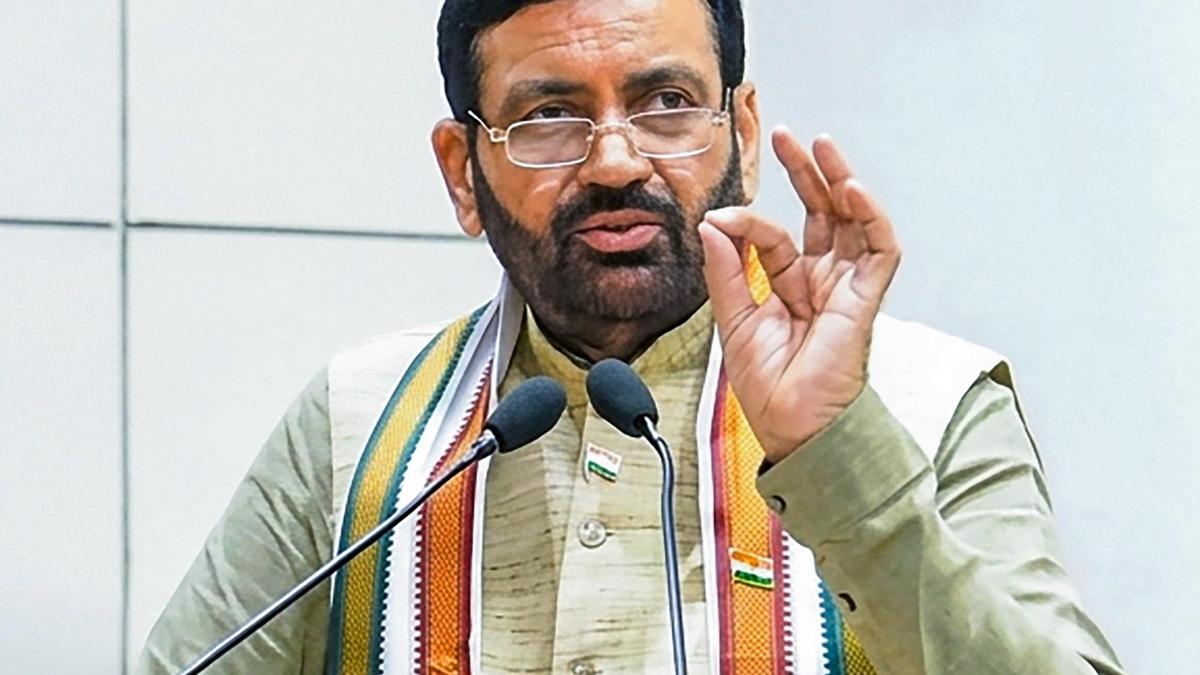
The State should make optimum use of modern technology to promote clean air, green transport and sustainable development says Chief Minister Nayab Singh Saini
Driving Toward Sustainability: Haryana's Digital Approach to Vehicle Scrappage
Haryana Chief Minister Nayab Singh Saini has taken a decisive step toward environmental sustainability by directing the establishment of a dedicated portal for the scientific disposal of end-of-life vehicles (ELVs). This initiative underscores the state government's commitment to integrating modern technology with ecological preservation. By focusing on the systematic removal of aging vehicles, the administration aims to transition toward a greener transport ecosystem, emphasizing the critical intersection of governance, technology, and public health.
Addressing the Crisis of Urban Pollution
The drive for scientific disposal is not merely administrative but a critical response to the escalating air quality crisis in Haryana and the surrounding National Capital Region (NCR). Old vehicles, particularly those with outdated emission standards, contribute significantly to the levels of particulate matter (PM2.5 and PM10) and nitrogen oxides in the atmosphere. By ensuring these vehicles are removed through a "scientific" process, the state prevents the hazardous leaching of oils, battery acids, and heavy metals into the soil and groundwater, which often occurs in unregulated, informal scrapyards.
Leveraging Digital Portals for a Circular Economy
The creation of a digital portal represents a strategic shift toward a "Circular Economy," where materials from old vehicles are recovered and reused rather than discarded. A centralized portal will likely streamline the registration of ELVs, connect owners with Registered Vehicle Scrapping Facilities (RVSFs), and ensure transparency in the scrapping process. This technological layer reduces the friction typically associated with vehicle disposal, encouraging more citizens to phase out old cars in favor of newer, more efficient models while ensuring that the materials are recycled according to environmental norms.
Synergy with India's National Scrappage Policy
This state-level directive aligns seamlessly with the Government of India's National Vehicle Scrappage Policy. The national framework aims to reduce the number of old, polluting vehicles on the road to lower emissions and improve road safety. By implementing a state-specific portal, Haryana is operationalizing national goals at the grassroots level, ensuring that the transition to "Green Transport" is not just a policy on paper but a functional reality for the residents of the state, potentially offering incentives for those who scrap their vehicles through the official channel.
Economic Implications and Industrial Growth
Beyond the environmental benefits, the scientific disposal of ELVs is poised to stimulate the local automotive and recycling industries. The demand for high-quality recycled steel, aluminum, and plastics will grow, reducing the need for virgin raw materials and lowering the carbon footprint of manufacturing. Furthermore, the establishment of standardized scrapping centers will create new employment opportunities in the green-tech sector, transforming a waste-management problem into a sustainable economic opportunity for the state's industrial workforce.
Future Outlook: Toward Sustainable Urban Mobility
Looking ahead, this portal could serve as a blueprint for other states in India. The integration of such systems with vehicle registration databases (like Vahan) could automate the identification of ELVs, leading to proactive scrappage drives. As Haryana pushes for more electric vehicles (EVs), the scientific disposal of internal combustion engine (ICE) vehicles becomes the first crucial step in cleaning the slate for a fully electrified and sustainable transport future, ensuring that the transition to EVs does not leave behind a legacy of metallic waste.
Conclusion
In summary, Chief Minister Nayab Singh Saini's directive is a forward-looking strategy that addresses the urgent need for sustainable urban development. By combining scientific methodology with digital accessibility, Haryana is tackling pollution at its source while fostering industrial innovation. This move signals a broader commitment to a cleaner, greener, and more technologically advanced state, setting a precedent for how regional governments can drive national environmental agendas through targeted technological interventions.
Verification Required?