New launches, greater local languages support, real time language translation: Ravi Kunwar on HMD's future for India
Source Entity
Latest News: Today's Latest News Headlines from India & World | Hindustan Times | Hindustan Times
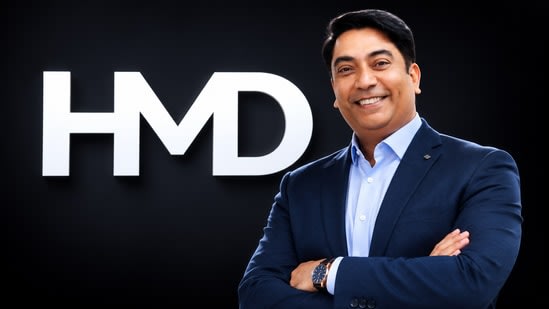
In our conversation, HMD India CEO Ravi Kunwar also told us that price hikes were inevitable amid the ongoing global chip shortage and geopolitical conditions.
HMD's Strategic Pivot in India: Localization and Economic Resilience
In a recent strategic outlook, HMD India CEO Ravi Kunwar has signaled a multifaceted approach to capturing a larger share of the diverse Indian smartphone market. By focusing on a combination of new hardware launches and deep software localization, HMD aims to move beyond being a mere hardware provider to becoming a culturally integrated technology brand. This strategy is particularly critical in a market as fragmented and competitive as India, where user experience is increasingly tied to linguistic accessibility.
Breaking the Linguistic Barrier through Localization
One of the most significant pillars of HMD's future strategy is the emphasis on greater local language support and the implementation of real-time language translation. India is a land of immense linguistic diversity, with dozens of major languages and hundreds of dialects. By integrating robust local language support, HMD is targeting the 'Next Billion Users'—individuals in Tier 2 and Tier 3 cities who may find English-centric interfaces a barrier to entry. Real-time translation features further enhance this value proposition, potentially transforming the smartphone from a communication tool into a bridge for cross-regional commerce and social interaction within the country.
Expanding the Hardware Portfolio
Beyond software, the promise of 'new launches' suggests that HMD is preparing to diversify its product offerings to meet varying consumer demands. In the Indian context, this likely involves a tiered approach, ranging from affordable, durable devices for first-time smartphone users to more sophisticated models for the urban professional. By expanding its portfolio, HMD can better compete with dominant players who have long held a grip on specific price segments, ensuring that the brand has a presence across the entire economic spectrum of the Indian consumer base.
The Macroeconomic Challenge: Chip Shortages and Geopolitics
Despite the optimistic roadmap for growth, Ravi Kunwar provided a sobering reality check regarding the cost of technology. The admission that price hikes are 'inevitable' is a direct result of the volatile global semiconductor landscape. The ongoing global chip shortage, exacerbated by supply chain disruptions, has created a bottleneck that affects every manufacturer. Furthermore, geopolitical conditions—including trade tensions and regional conflicts—have destabilized the flow of raw materials and components, forcing companies like HMD to adjust their pricing models to maintain operational viability.
Navigating the Price-Sensitivity of the Indian Market
Implementing price hikes in India is a high-risk maneuver, as the Indian consumer is historically highly price-sensitive. HMD's challenge will be to justify these increases through the added value of their localization efforts and new feature sets. If the perceived value of real-time translation and superior local language support outweighs the cost increase, HMD may successfully migrate its users toward higher-margin devices. This shift represents a transition from competing solely on price to competing on utility and cultural relevance.
Future Outlook and Market Implications
Looking ahead, HMD's trajectory in India will likely serve as a case study in balancing global supply chain pressures with hyper-local market needs. If HMD can successfully execute its localization strategy while navigating the chip crisis, it will establish a resilient blueprint for other global brands entering the Indian market. The focus on translation and local languages suggests a future where HMD positions itself as the most 'accessible' brand in the region, leveraging software intelligence to offset the hardware costs imposed by global economic instability.
Summary
In conclusion, HMD India is navigating a complex intersection of opportunity and adversity. While the company is doubling down on linguistic inclusivity and product expansion to drive growth, it must simultaneously manage the fallout of a global semiconductor crisis and geopolitical volatility. The success of Ravi Kunwar's vision will depend on whether the Indian consumer views HMD's localized innovations as a sufficient trade-off for the inevitable rise in device pricing.
Verification Required?