'LOL ... so funny': Apple says ex-engineer stole secrets and coached a colleague to do the same. He now works at OpenAI
Source Entity
Yahoo Finance
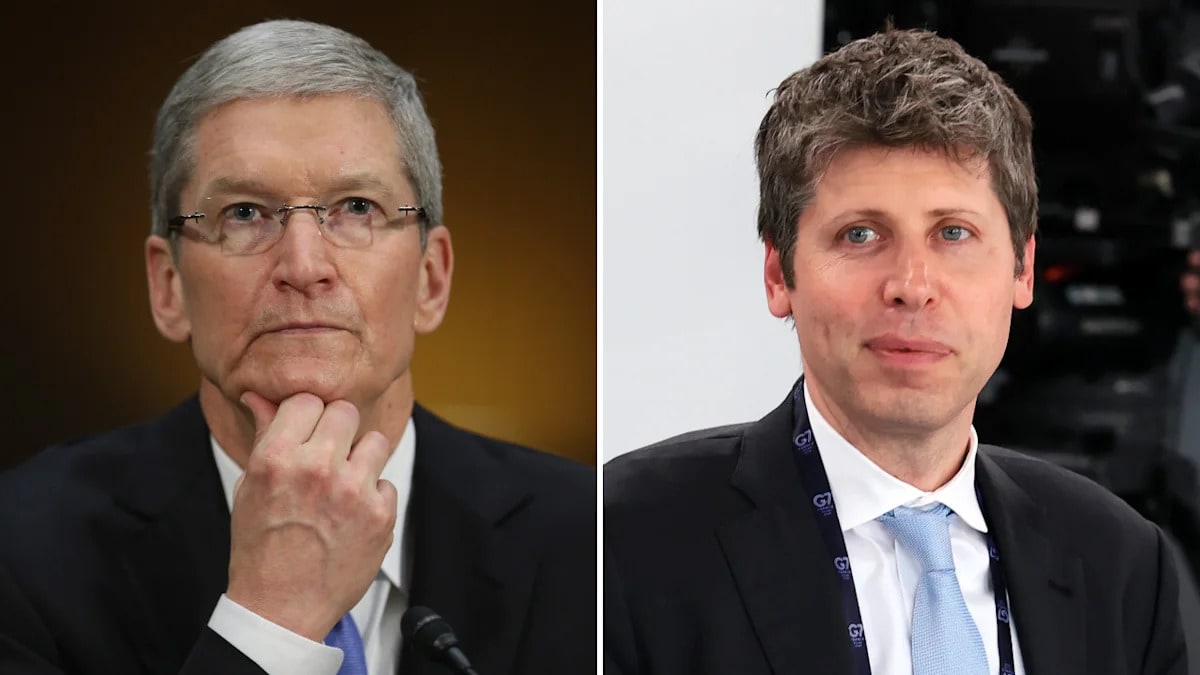
Liu also told Peng how to copy files from Apple workstations "to avoid trouble with the security team," pointed her toward specific project folders, and told her which confidential materials to study ...
Apple vs. OpenAI: The High-Stakes Battle Over AI Trade Secrets
In a striking escalation of the generative AI arms race, Apple has leveled serious allegations against a former engineer, identified as Liu, claiming he stole proprietary trade secrets before transitioning to a role at OpenAI. The case transcends a simple dispute over intellectual property; it paints a picture of calculated corporate espionage where the defendant allegedly not only exfiltrated sensitive data but also acted as a mentor in theft, coaching a colleague, Peng, on the specific methods required to bypass Apple's stringent security measures. This incident underscores the extreme volatility and competitive pressure currently defining the relationship between established tech giants and the rapidly ascending AI labs.
The Mechanics of the Alleged Breach
According to the details provided, the breach was not a momentary lapse in judgment but a systematic effort to strip Apple of its competitive advantages. Liu reportedly provided Peng with a roadmap for data exfiltration, specifically pointing her toward high-value project folders and instructing her on how to copy files from workstations in a manner designed to evade detection by Apple's security teams. By teaching a peer how to "avoid trouble," Liu demonstrated a sophisticated understanding of Apple's internal monitoring systems, suggesting that the theft was a deliberate operation intended to arm his future employer—or himself—with the blueprints of Apple's confidential AI initiatives.
The "War for Talent" and the IP Paradox
This legal clash is a byproduct of the current "War for Talent" in the artificial intelligence sector. As OpenAI, Google, and Meta compete for a handful of elite researchers and engineers, the movement of personnel between these firms has become a primary vector for knowledge transfer. However, there is a fine line between the legitimate application of a professional's expertise and the illegal transfer of trade secrets. Apple's aggressive stance suggests that the company believes its internal AI breakthroughs—which it has kept notoriously secret compared to OpenAI's public releases—are being systematically drained by departing staff, creating a paradox where employee mobility threatens corporate survival.
Apple's Culture of Secrecy Under Siege
Apple is legendary for its culture of "extreme secrecy," often employing internal silos and strict "need-to-know" access controls to prevent leaks. The revelation that an engineer could not only access sensitive project folders but also instruct others on how to steal them without immediate detection is a significant blow to Apple's security prestige. This case reveals a vulnerability in the human element of security; no matter how robust the digital firewalls are, a trusted insider with the knowledge of where the "crown jewels" are stored can effectively neutralize those defenses. This will likely lead to a tightening of internal surveillance and more restrictive data access policies across Apple's engineering departments.
Implications for OpenAI and the AI Ecosystem
For OpenAI, this allegation places them in a precarious position. While there is no explicit claim in the snippet that OpenAI directed the theft, the fact that the engineer now works there creates a perception of opportunistic gain. If it is proven that stolen Apple IP influenced OpenAI's models or strategies, the company could face massive damages and be forced to "unlearn" or purge specific datasets or algorithmic approaches. This case serves as a warning to the entire AI ecosystem: the rush to integrate the best minds cannot come at the expense of legal due diligence regarding the provenance of the knowledge those minds bring with them.
Legal Precedents and Future Trends
Looking forward, this case is likely to set a precedent for how trade secret laws are applied in the age of LLMs (Large Language Models). Unlike traditional software code, AI "secrets" often involve training methodologies, curated datasets, and specific hyperparameter configurations that are difficult to track once integrated into a larger model. We can expect to see an increase in "forensic auditing" of new hires in the tech industry, where companies may require third-party verification that an incoming engineer is not bringing prohibited materials from a former employer to avoid vicarious liability.
Summary
The allegations against Liu highlight a dangerous intersection of professional ambition and corporate espionage. By allegedly coaching a colleague to steal secrets, Liu has turned a standard employment transition into a legal battlefield. As Apple seeks to protect its proprietary AI path, this case will likely trigger a wave of stricter non-compete enforcement and enhanced internal monitoring across the technology sector, fundamentally altering how engineers move between the world's most powerful AI organizations.