Hormuz Deadlock: Where oil prices could head next as prospects for an imminent deal fade
Source Entity
US Top News and Analysis
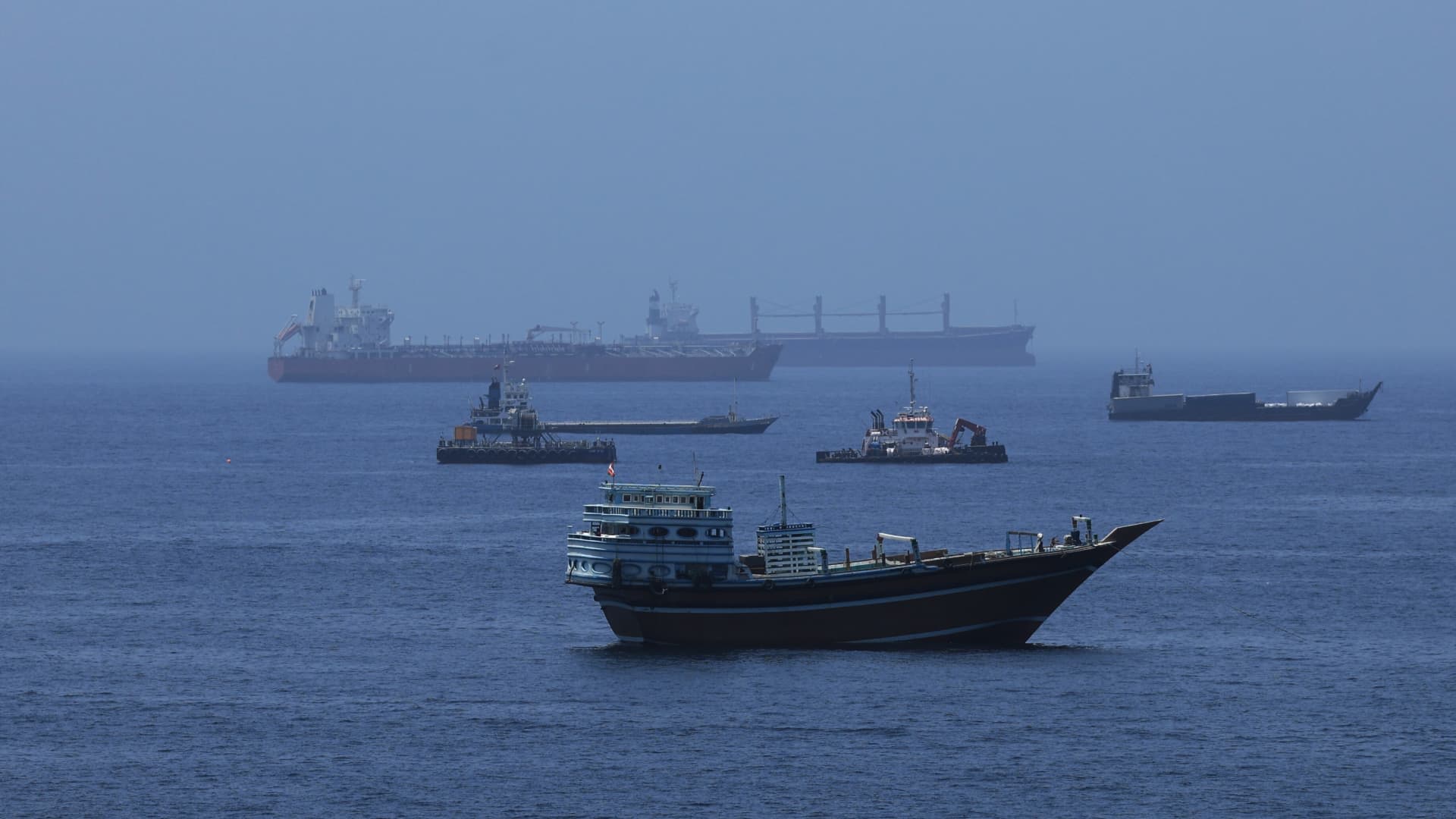
Oil prices have surged as hopes for a deal to reopen the Strait of Hormuz diminish amid ongoing regional conflict. Simultaneously, U.S. Strategic Petroleum Reserve levels have dropped to their lowest point since 1983, complicating national energy security.
The Strait of Hormuz Crisis and Global Energy Volatility
The global energy landscape is currently defined by a precarious standoff at the Strait of Hormuz, a maritime chokepoint of unparalleled strategic importance. Recent reports indicate that the anticipated diplomatic breakthrough between Washington and Tehran has stalled, with prospects for an immediate reopening of the waterway deteriorating. This geopolitical deadlock has forced a market correction, as oil traders who previously held onto optimism regarding a swift resolution are now forced to confront the reality of a prolonged supply disruption.
The Impact of Geopolitical Stasis on Oil Markets
Market sensitivity to the Strait of Hormuz is rooted in its role as a primary artery for global crude exports. As Tehran sets new conditions for the passage of vessels, Washington’s inability to secure a deal has directly influenced price volatility. Brent crude futures, which had initially trended downward due to rumors of progress, saw a sharp reversal, jumping by more than 4% to exceed $85 per barrel. This rally underscores the market's realization that the disruption is not merely a temporary logistical hurdle but a deepening crisis.
U.S. Strategic Petroleum Reserve at a Four-Decade Low
Compounding the market instability is the state of the U.S. Strategic Petroleum Reserve (SPR). Data from the Department of Energy confirms that domestic stocks have fallen below 300 million barrels, reaching their lowest level since January 1983. This depletion is a direct consequence of the administration's efforts to mitigate the supply shocks triggered by the conflict. Having already released 172 million barrels earlier this year, the U.S. government is operating with significantly reduced reserves at a time when global inventories are under intense pressure.
Historical Context and Strategic Implications
To understand the gravity of the current situation, one must look back to the early 1980s, the last period when the SPR was this constrained. The ongoing conflict has effectively forced the United States to act as a buffer for global supply, yet the cumulative effect of these releases is now testing the limits of national energy security. The coordination of these releases with other international partners highlights the global scale of the crisis, yet the persistent nature of the Strait’s closure threatens to render these interventions insufficient.
Future Trends and Economic Outlook
Looking ahead, the disconnect between current oil prices and the reality of the supply chain suggests that further upward pressure on energy costs is likely. As long as the Strait of Hormuz remains effectively shuttered, the market will continue to react to every signal from the negotiating table. With the SPR at its lowest point in forty years, the U.S. government faces limited options for further intervention, leaving the global economy increasingly vulnerable to the ongoing war in the Middle East. The coming weeks will be critical in determining whether diplomacy can prevail or if the world must brace for a sustained period of high energy prices and supply insecurity.