Huel ad banned for suggesting its products could replace all conventional food
Source Entity
BBC News
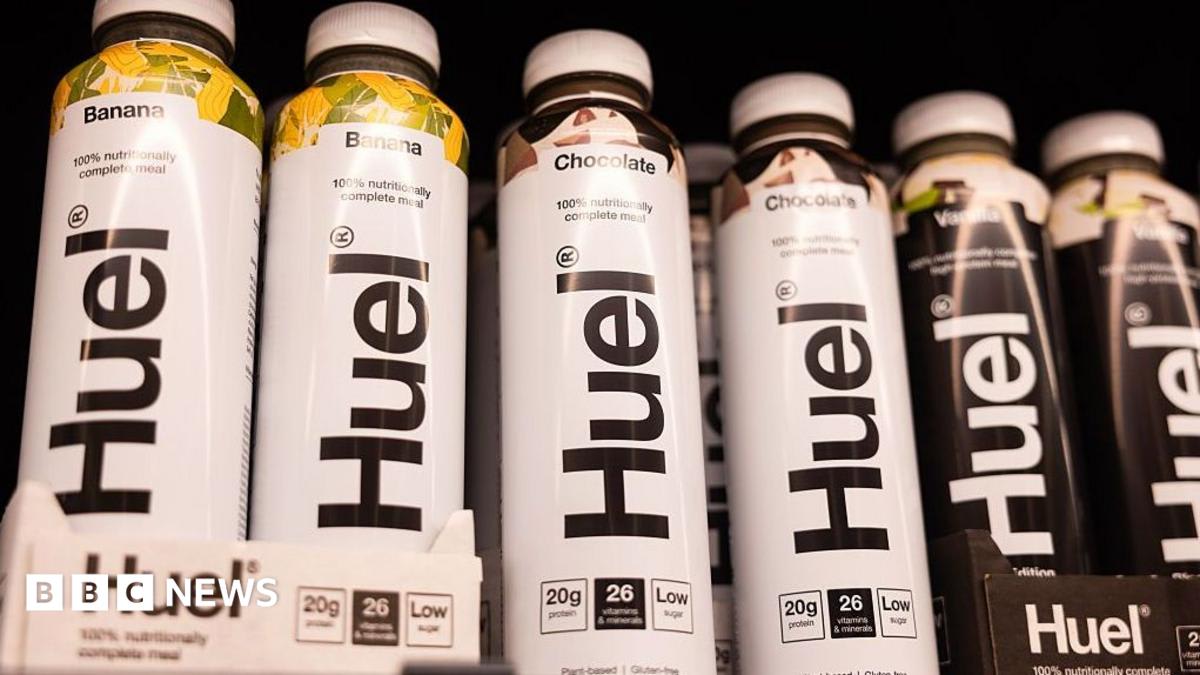
The UK's advertising watchdog has banned a Huel advertisement featuring Spencer Matthews for implying that a diet consisting solely of their products is nutritionally sufficient. The ASA ruled that the ad irresponsibly suggested total meal replacement was compatible with elite athletic performance.
The ASA Intervention: Analyzing the Huel Ad Ban
The Advertising Standards Authority (ASA) has officially banned a promotional campaign for Huel, the meal replacement brand, citing concerns over irresponsible dietary messaging. The central point of contention was a sponsored video featuring brand ambassador Spencer Matthews, who recounted an anecdote about an individual who consumed exclusively Huel products while successfully completing a 260km race. The watchdog concluded that the presentation of this narrative could lead consumers to incorrectly infer that replacing all conventional food with Huel is both nutritionally appropriate and conducive to high-level physical endurance.
The Ethics of Influencer Marketing and Health Claims
This ruling highlights the increasing tension between influencer-led marketing and public health standards. By utilizing a high-profile ambassador like Spencer Matthews to share a personal anecdote, the advertisement blurred the lines between anecdotal experience and medical endorsement. The ASA’s decision serves as a reminder that even when a brand claims an anecdote is not an 'instruction,' the overall impression left on a broad audience—particularly on platforms like Instagram and YouTube—can be interpreted as a health recommendation. This places a significant burden of responsibility on brands to ensure that their marketing does not inadvertently encourage potentially dangerous dietary habits.
Nutritional Complexity vs. Convenience
At the heart of the debate is the distinction between 'meal replacement' and 'total diet replacement.' While Huel is designed to provide balanced macronutrients, the nutritional science community generally advocates for a diverse diet composed of whole foods to ensure the intake of phytonutrients, fiber diversity, and the psychological benefits of eating. By suggesting that an athlete could thrive solely on a liquid or powdered diet, the ad inadvertently challenged established nutritional guidelines. The ASA’s intervention underscores the necessity for companies in the wellness sector to clearly communicate the role of their products as supplements rather than exhaustive food replacements.
Contextualizing the 'Elite Performance' Narrative
The specific mention of a 260km race in the ad was a critical factor in the ASA’s decision. By linking the total consumption of Huel to extreme physical success, the ad created a narrative of 'nutritionally appropriate' elite performance. This is a sensitive area for regulators, as it targets individuals looking to optimize their health or performance through quick fixes. The ASA’s ruling suggests that brands must be hyper-vigilant when associating their products with extreme physical feats, as such claims often imply that the product is sufficient for the body’s most demanding physiological requirements.
Corporate Defense and Regulatory Friction
In its defense, Huel argued that the purpose of the ad was actually to challenge, rather than reinforce, the misconception that their products should replace every meal. However, the disconnect between the company’s intent and the consumer’s interpretation is what ultimately led to the ban. This case serves as a cautionary tale for the food and beverage industry regarding the importance of transparency in advertising. As dietary trends move toward convenience-focused nutrition, regulators are likely to continue scrutinizing how brands market these products to ensure that convenience does not come at the cost of public health literacy.
Future Trends in Dietary Advertising
Looking forward, this ruling indicates a shift toward more stringent oversight of 'nutritionally complete' marketing. Brands operating in the meal replacement space will likely need to include explicit disclaimers in their media assets to prevent similar regulatory actions. As consumers become more health-conscious, the demand for clear, evidence-based communication will likely outweigh the effectiveness of influencer-led anecdotal marketing. Moving forward, the industry must balance the commercial need for compelling storytelling with the ethical imperative to promote balanced and sustainable eating habits.