IED blast in Nagaland: Assam Rifles personnel killed, four injured
Source Entity
TOI NEWS DESK
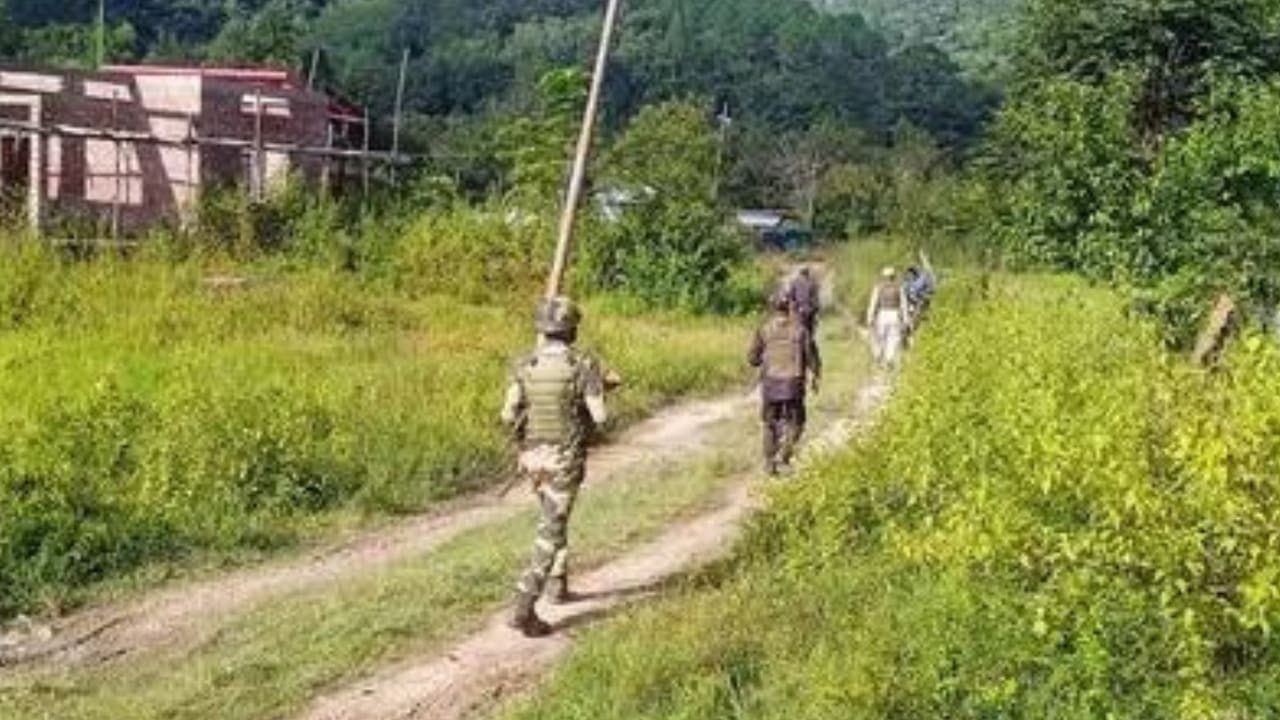
IED blast in Nagaland: 1 Assam Rifles personnel killed, four injureD (Representative image) One Assam Rifles personnel was killed and four others were injured in a suspected improvised explosive devi...
Tragedy in Nagaland: IED Attack Targets Assam Rifles
In a sobering reminder of the persistent security volatility in Northeast India, a suspected Improvised Explosive Device (IED) blast in Nagaland has resulted in the death of one Assam Rifles personnel and left four others injured. This incident underscores the lethal nature of asymmetrical warfare in the region, where security forces often face hidden threats while conducting routine patrols or counter-insurgency operations in challenging terrains.
The Anatomy of the Attack and Immediate Impact
The attack, characterized by the use of an IED, specifically targeted personnel from the Assam Rifles, a paramilitary force that plays a pivotal role in maintaining law and order across the Northeast. The loss of one life and the injury of four others indicate a targeted strike designed to inflict casualties and create a sense of insecurity among the troops. IEDs are particularly dangerous because they allow insurgents to strike from a distance without direct engagement, turning the environment itself into a weapon against the state's security apparatus.
The Strategic Role of the Assam Rifles
To understand the significance of this event, one must consider the role of the Assam Rifles. As one of the oldest paramilitary forces in India, they are uniquely positioned as a bridge between the civil administration and the military. Their presence in Nagaland is constant, involving everything from border guarding to community policing. By targeting this specific force, the perpetrators are not just attacking individual soldiers but are challenging the stability and authority of the Indian state in a geographically sensitive border region.
Regional Context and Insurgency Dynamics
Nagaland has a long and complex history of insurgency, rooted in ethnic identity and demands for autonomy. While various peace accords and ceasefire agreements have been signed over the decades between the Government of India and various factions of Naga nationalists, sporadic violence continues. This blast suggests that despite diplomatic efforts, certain elements remain committed to armed struggle. Such incidents often serve as a signal of dissatisfaction with the pace of political negotiations or as a means for splinter groups to assert their relevance within the insurgency landscape.
Tactical Challenges of Jungle Warfare
Operating in the dense forests and hilly terrain of Nagaland presents immense tactical challenges. The use of IEDs is a hallmark of guerrilla warfare in such environments, where visibility is low and the terrain favors the ambush. For the Assam Rifles, this incident highlights the critical need for advanced mine-detection equipment and heightened vigilance. The psychological toll of such 'invisible' threats can be as damaging as the physical casualties, requiring troops to maintain a state of high alert during every deployment.
Future Outlook and Security Implications
Moving forward, this event is likely to trigger a surge in security sweeps and intelligence-gathering operations across the affected districts of Nagaland. The Indian government will likely pressure insurgent groups to adhere to existing ceasefires while simultaneously increasing the deployment of specialized bomb disposal squads. In the long term, the persistence of such attacks indicates that military solutions alone are insufficient; sustainable peace will require the successful resolution of the underlying political grievances that fuel these violent outbursts.
Conclusion
The IED blast in Nagaland is a tragic event that highlights the precarious balance of peace in Northeast India. While the loss of life is an immediate tragedy, the broader implication is a reminder of the enduring threat posed by insurgent elements. Ensuring the safety of the Assam Rifles and the civilian population will require a dual approach of robust security measures and unwavering commitment to political dialogue.