IED blast near Assam Rifles vehicle in Nagaland’s Sukhovi kills 1, injures 4
Source Entity
Sukrita Baruah
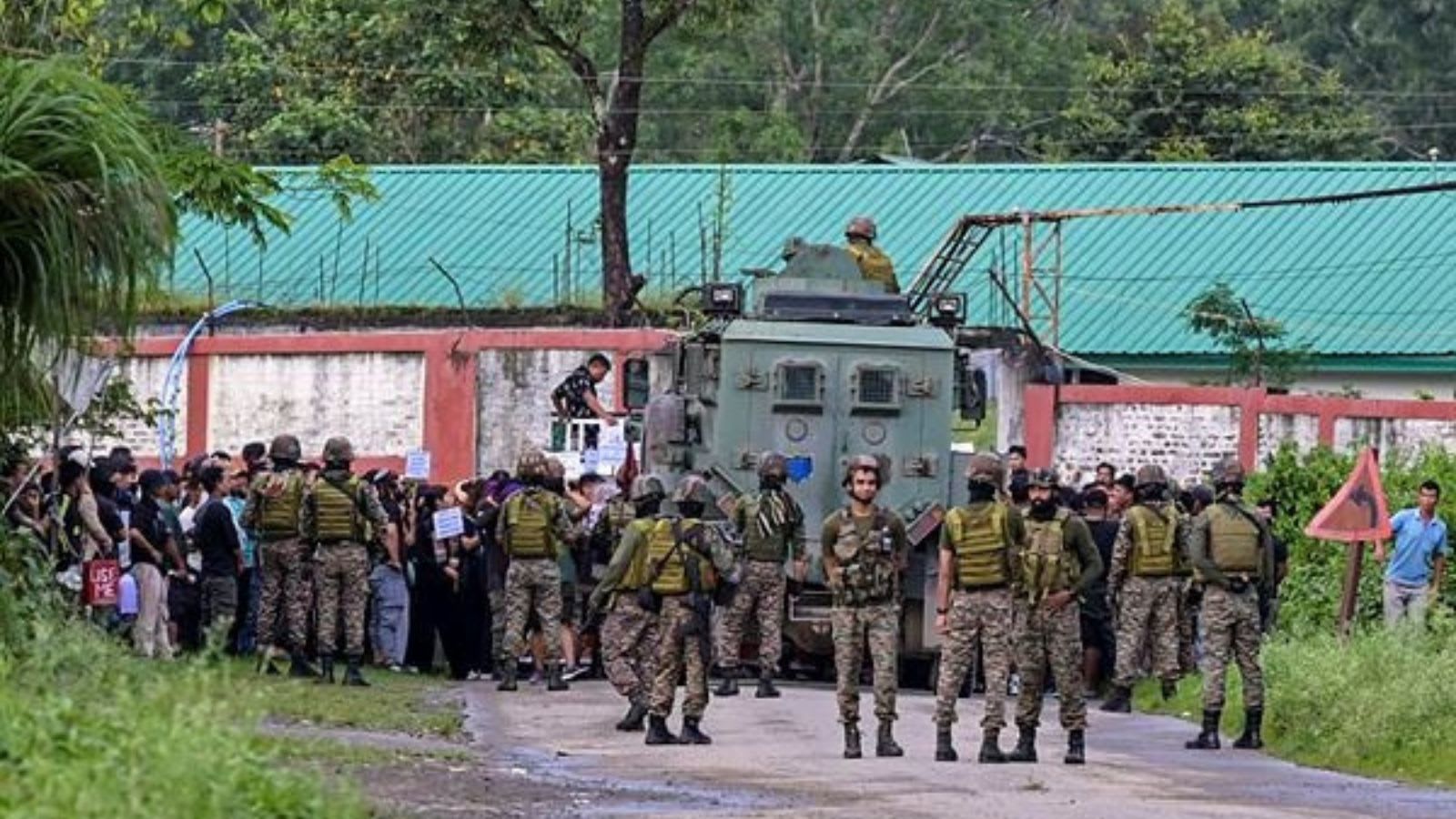
One soldier has died while four others are injured. (File Photo/ Representational) A suspected IED blast targeted an Assam Rifles vehicle near Sukhovi in Nagaland on Monday, killing one person and in...
Analysis: IED Attack on Assam Rifles in Nagaland
An IED blast near Sukhovi in Nagaland has once again highlighted the volatile security situation in Northeast India. On Monday, a vehicle belonging to the Assam Rifles was targeted by a suspected Improvised Explosive Device (IED), resulting in the tragic death of one soldier and injuries to four others. This incident underscores the persistent threat faced by security forces operating in the region, where insurgent tactics often involve ambush and the use of hidden explosives to avoid direct confrontation.
The Role of Assam Rifles in Regional Stability
To understand the gravity of this attack, it is essential to recognize the role of the Assam Rifles. As one of the oldest paramilitary forces in India, the Assam Rifles are primarily tasked with maintaining law and order and conducting counter-insurgency operations in the Northeast. Their presence in Nagaland is critical for border security and internal stability. An attack on their convoy is not merely a tactical strike against a vehicle but a symbolic challenge to the state's authority and the security apparatus maintaining the peace in the region.
Tactical Analysis of IED Usage
The use of IEDs in the Sukhovi area points to a sophisticated level of local intelligence and tactical planning by the perpetrators. IEDs are preferred by insurgent groups in Nagaland due to the dense forest cover and hilly terrain, which make traditional military engagements risky for the attackers. By utilizing remote-detonated or pressure-triggered explosives, militants can inflict casualties on security forces while remaining undetected, creating a climate of fear and unpredictability for patrols.
Broader Implications for the Naga Peace Process
This event occurs against the backdrop of a complex and long-standing peace process between the Government of India and various Naga nationalist groups. While high-level talks have aimed at achieving a political settlement, the occurrence of such blasts suggests that splinter groups or dissatisfied factions continue to operate. This incident may potentially derail fragile ceasefires or indicate a resurgence of militant activity intended to pressure the government during negotiations.
Security Challenges in Hilly Terrain
Operating in Nagaland presents unique challenges for the Indian security forces. The geography allows for easy concealment and rapid retreat for insurgents. The Sukhovi incident demonstrates that despite increased surveillance and intelligence gathering, the 'blind spots' in the terrain remain a vulnerability. The loss of life in this blast will likely lead to intensified search operations and a tightening of security protocols for vehicle movements in the area to prevent future casualties.
Future Trends and Outlook
Looking forward, this attack is likely to trigger a surge in counter-insurgency operations as the state seeks to identify the perpetrators. We can expect an increase in the deployment of mine-protected vehicles (MPVs) and a greater reliance on drone surveillance to detect IED placements before convoys pass through high-risk zones. However, the long-term solution remains political; until a comprehensive agreement is reached and implemented, sporadic violence is likely to persist.
Conclusion
The IED blast near Sukhovi is a sobering reminder of the dangers inherent in the Nagaland conflict. With one soldier dead and four injured, the incident emphasizes the need for both enhanced tactical security and a renewed commitment to the political peace process to ensure that the Northeast can transition from a zone of conflict to one of sustainable peace.