IMD predicts heavy rain in Gujarat for next 48 hours, Red alert in 3 Saurashtra districts
Source Entity
Parimal A Dabhi, Brendan Dabhi
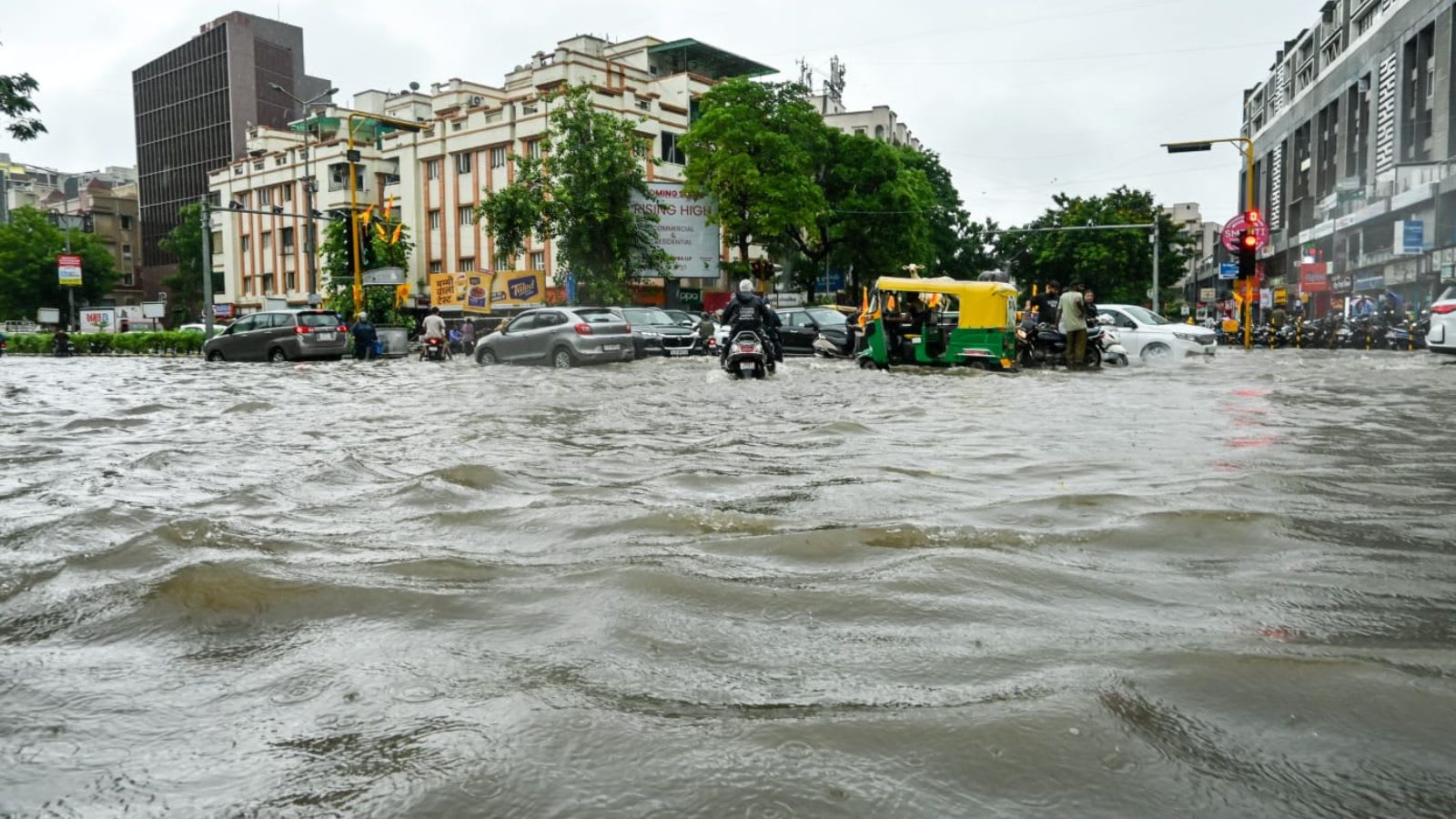
The IMD has issued a red alert for three Saurashtra districts as heavy rainfall continues across Gujarat. With the state reaching over 80% of its seasonal average, authorities remain on high alert due to ongoing precipitation.
Gujarat Faces Severe Monsoon Surge: IMD Issues Red Alert
The India Meteorological Department (IMD) has issued a critical warning for the state of Gujarat, forecasting continued heavy to very heavy rainfall over the next 48 hours. This meteorological phenomenon highlights the intensifying nature of the monsoon season in Western India, necessitating immediate preparedness and emergency response protocols.
Targeted Alerts for Saurashtra
Central to the current weather advisory is the red alert issued for the Saurashtra districts of Surendranagar, Rajkot, and Morbi. These specific regions have been identified as high-risk zones, where extreme weather conditions are expected to persist. The classification of a 'red alert' by the IMD signifies the highest level of caution, indicating that local infrastructure and disaster management agencies must mobilize to prevent potential flooding or structural damage.
Statistical Overview of Rainfall
Data from the meteorological department underscores the widespread impact of this weather event. Across the state, 33 out of 34 districts have recorded significant rainfall, with an average of 21.84 mm reported within the 24-hour window ending Sunday morning. These figures provide clear evidence of the extensive reach of the current monsoon system, which is currently affecting nearly the entire geography of Gujarat.
Seasonal Progress and Regional Disparities
As of Monday morning, Gujarat has accumulated 729 mm of rainfall, reaching approximately 80.23% of its seasonal average. This metric indicates a robust monsoon performance, significantly bolstering the state's water security. However, the data also reveals regional disparities in precipitation patterns. While the majority of the state is seeing surplus or healthy rainfall, Devbhoomi Dwarka remains an outlier, currently holding a rain deficit of 60-99%, highlighting the localized nature of monsoon distribution.
Broader Implications and Future Trends
The persistence of these weather patterns suggests a continued period of instability for the region. The high percentage of seasonal rainfall already achieved indicates that the state's reservoirs and agricultural sectors are well-replenished, though the immediate concern remains the saturation of soil and the potential for waterlogging in urban and rural hubs. Future trends will likely focus on the transition from heavy precipitation to potential post-monsoon drainage management.
Conclusion
In summary, while the monsoon has been largely beneficial for Gujarat's agricultural and hydrological health, the immediate threat posed by the red alert in Saurashtra requires vigilant monitoring. The IMD’s detailed tracking of district-wise precipitation ensures that emergency resources can be deployed effectively, mitigating the risks associated with such intense weather events as the state moves toward the latter half of the monsoon season.