5 New Sites Added To India's UNESCO Tentative List For World Heritage
Source Entity
NDTV News Search Records Found 1000
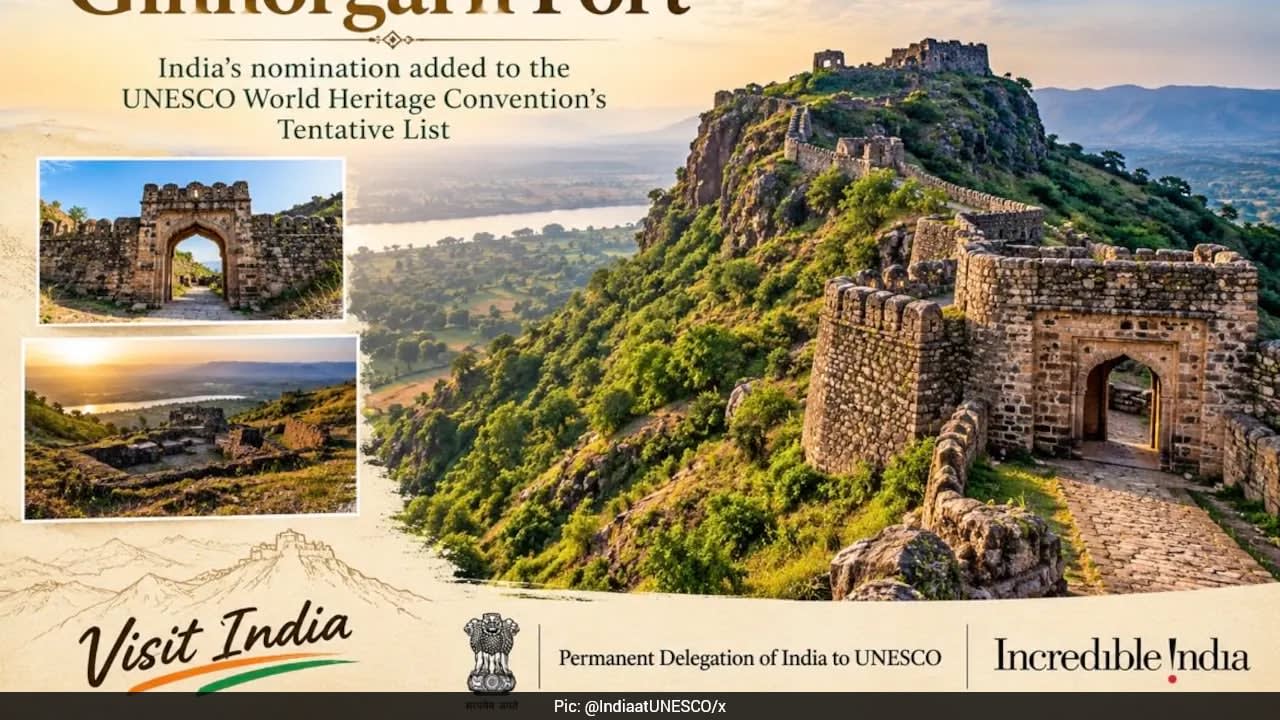
India has expanded its UNESCO World Heritage tentative list by adding five new sites, including the historic Ginnorgarh fort in Madhya Pradesh. This move marks a significant step toward gaining global recognition and conservation support for the nation's diverse architectural heritage.
India Expands UNESCO Tentative List with Historic Additions
India has officially moved to elevate its cultural footprint on the global stage by adding five new sites to the UNESCO World Heritage tentative list. Among these notable additions is the Ginnorgarh fort, situated in the Raisen District of Madhya Pradesh. This strategic inclusion reflects a broader national commitment to cataloging, preserving, and promoting the architectural marvels that define the Indian subcontinent's rich historical narrative.
The Historical Significance of Ginnorgarh
The Ginnorgarh fort serves as a prime example of the defensive military architecture that characterized the central Indian landscape for centuries. Located in the Raisen District, the fort is deeply intertwined with the regional history of Madhya Pradesh. By seeking UNESCO recognition, authorities are acknowledging that such structures are not merely ruins but vital repositories of cultural identity that require specialized conservation efforts to survive the pressures of time and environmental degradation.
The UNESCO Tentative List Process
Placement on the UNESCO tentative list is a rigorous, multi-year process that serves as a prerequisite for formal nomination as a World Heritage Site. It requires a nation to demonstrate that the site possesses 'Outstanding Universal Value' (OUV). For sites like Ginnorgarh, this involves extensive documentation of their historical integrity, architectural uniqueness, and the management plans in place to protect them from modern development threats.
Broader Implications for Heritage Tourism
Beyond the academic and historical value, inclusion on the UNESCO list acts as a powerful catalyst for the tourism sector. When sites gain international recognition, they often experience a surge in both domestic and foreign visitor interest. This, in turn, incentivizes local governments to improve infrastructure, enhance accessibility, and foster community-led tourism models that can provide sustainable economic benefits to the Raisen District and beyond.
Challenges and Future Conservation Trends
While the addition of Ginnorgarh to the list is a major milestone, it also brings the challenge of stringent conservation standards. UNESCO requirements demand rigorous maintenance, structural safety, and site management that often exceed local municipal capabilities. Moving forward, the trend in Indian heritage management will likely shift toward public-private partnerships and the integration of digital mapping technologies to monitor the structural health of these remote forts.
Conclusion: Preserving the Legacy
The inclusion of these five sites, including Ginnorgarh, underscores a proactive approach to heritage conservation in India. By bringing these sites into the international spotlight, India is ensuring that its architectural legacy is not only preserved for future generations but also integrated into the global discourse on cultural heritage. The focus now shifts to the long-term stewardship required to transform this tentative status into a permanent World Heritage listing.
Verification Required?