‘Even hawkers give it’: Brand charges Rs 10 for carry bag, Himachal man wins Rs 8,000
Source Entity
Richa Sahay
Consumer commissions in India are increasingly imposing significant punitive damages and compensation for unfair trade practices and negligence. Recent rulings highlight a shift toward strictly enforcing consumer rights against retail overcharging and safety hazards at commercial venues.
Strengthening Consumer Rights in India: A New Era of Accountability
Recent rulings by consumer commissions in Andhra Pradesh and Himachal Pradesh mark a significant turning point in the enforcement of consumer protection laws across India. By imposing substantial punitive damages and compensation, these judicial bodies are signaling a shift from mere remedial justice to a proactive stance against unfair trade practices and commercial negligence. These cases collectively underscore the judiciary's intent to deter corporate malfeasance by making the cost of non-compliance far higher than the gains derived from such practices.
The Crackdown on Price Gouging
In a landmark case from Andhra Pradesh, a shop was ordered to pay Rs 7 lakh in punitive damages for overcharging a customer Rs 7 above the Maximum Retail Price (MRP) on a water bottle. This ruling is particularly significant because the punitive amount is directed toward the Consumer Welfare Fund rather than the individual, highlighting the court’s focus on systemic deterrence. By labeling the act as an 'unfair trade practice,' the commission has reinforced the sanctity of MRP regulations, which exist to protect consumers from arbitrary pricing in a market where essential goods are often sold at inflated costs.
Accountability for Branding and Ancillary Charges
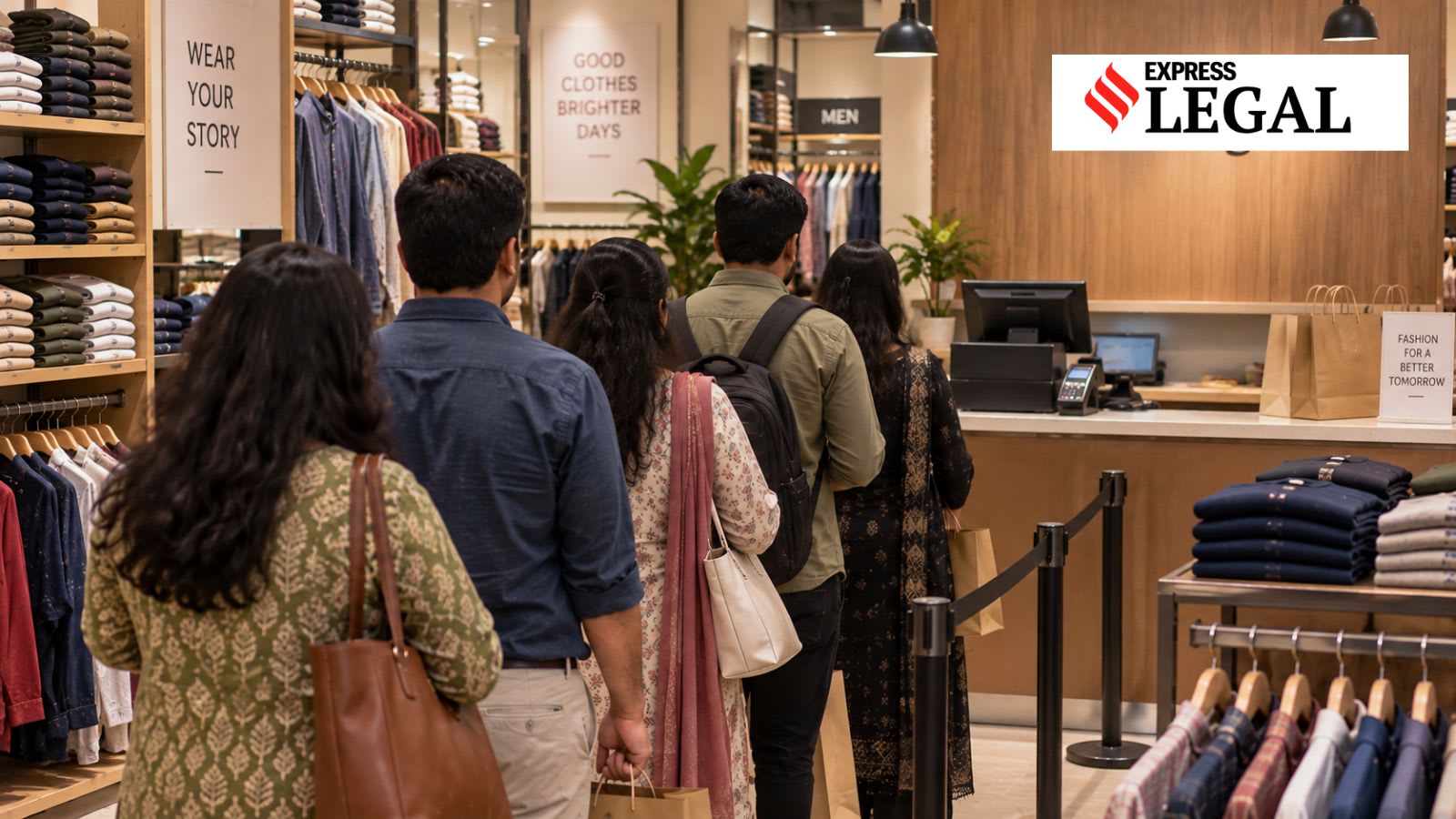
Simultaneously, consumer commissions are tackling the controversial practice of retailers charging for branded carry bags. A Himachal Pradesh commission recently ruled that an apparel brand must compensate a customer for charging Rs 10 for a bag bearing the store's logo. The commission's observation—that even street hawkers provide bags for free while major retailers exploit the practice—highlights an evolving judicial philosophy that views such charges as deceptive. If a bag serves as an advertisement for the brand, charging the consumer for that marketing tool is increasingly being viewed as a deficiency in service.
Ensuring Safety in Commercial Spaces
Beyond pricing, commissions are holding commercial entities strictly liable for physical safety. The case of a physical education teacher who lost a finger due to negligent maintenance at a mall’s trampoline park serves as a stark reminder of the duty of care owed by business operators. By ordering both the gaming operator and the mall management to pay compensation, the commission has established that commercial spaces cannot outsource their safety responsibilities to third-party vendors. The ruling emphasizes that the environment provided to consumers must be free of foreseeable hazards.
Broader Implications and Future Trends
These judgments reflect a maturing consumer protection ecosystem in India, empowered by the Consumer Protection Act, 2019. We can expect a trend where 'deficiency in service' is interpreted more broadly, encompassing not just the quality of products but the ethics of business operations. As digital awareness grows, consumers are more likely to pursue litigation for even minor grievances, forcing corporations to audit their standard operating procedures to avoid high-value punitive orders.
Conclusion
Ultimately, these rulings serve as a vital check on corporate power. By prioritizing the protection of public interest over the profit-seeking motives of businesses, India’s consumer commissions are fostering a more equitable marketplace. These decisions provide a clear roadmap for businesses: transparency in pricing, fair trade policies, and rigorous safety standards are no longer optional—they are legal imperatives.
Multiple Citing Sources