India’s first bullet train project: 50-km Surat-Bilimora section gets overhead power supply
Source Entity
Anish Mondal
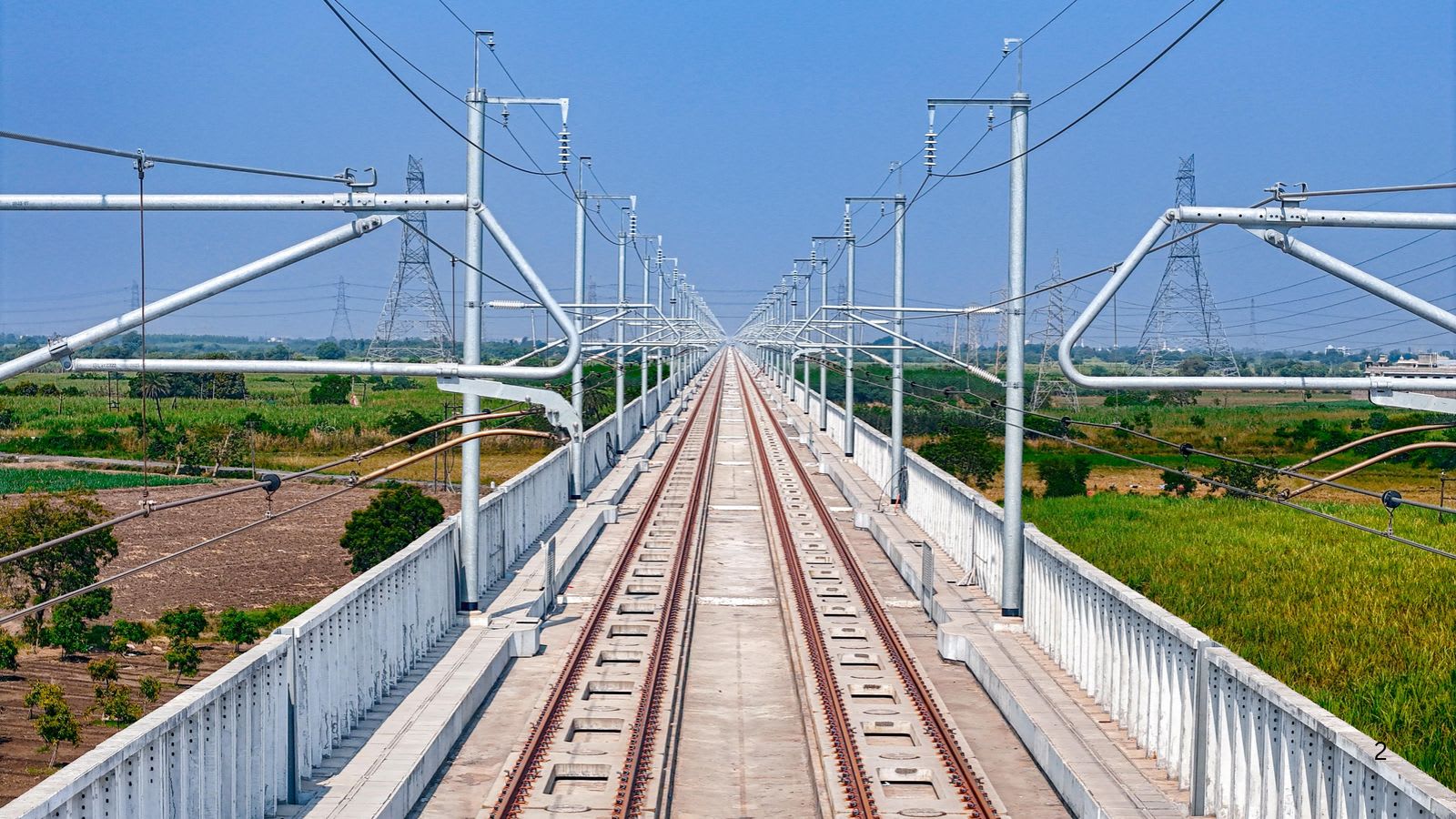
India has reached a major milestone in its first high-speed rail project by energizing the overhead electrical system on the Surat-Bilimora section. The government plans to launch the initial phase between Surat and Vapi by 2027, with the full corridor to Mumbai following in stages.
India's High-Speed Rail Ambitions: A New Era of Connectivity
India has officially moved closer to realizing its high-speed rail aspirations as the National High Speed Rail Corporation Limited (NHSRCL) successfully energized the overhead electrical system on the 50-km Surat-Bilimora section. This critical infrastructure milestone represents the foundation for the Mumbai-Ahmedabad bullet train corridor, a flagship project intended to revolutionize domestic travel. By electrifying this elevated alignment, authorities have cleared the path for comprehensive testing, ensuring that the technical systems meet the rigorous safety and operational standards required for high-speed transit.
Strategic Phased Implementation
The project is being executed through a strategic, phased approach rather than a single grand opening. The government has confirmed that the first operational stretch will connect Surat to Vapi by 2027. This tactical decision allows the NHSRCL to validate operational procedures, integrate rolling stock, and refine signaling systems on a manageable scale before scaling up to the full, complex route leading into Mumbai. This method minimizes risk and allows for iterative improvements in the early stages of operation.
Technical Milestones and Safety Protocols
The energization of the overhead lines on November 20 marks a vital transition from civil construction to systems integration. According to NHSRCL, the process is being managed with strict adherence to safety protocols, with technical teams conducting the energization in smaller, controlled sections. This deliberate pace is essential for the calibration of electrical infrastructure, which must support the high-speed demands of the bullet train fleet. The dual-line setup—covering both Up and Down tracks—demonstrates the project's readiness for the next phase of trial runs.
Economic and Infrastructural Implications
The Mumbai-Ahmedabad corridor is more than just a transportation project; it is a catalyst for regional economic growth. By significantly reducing travel time between major industrial hubs, the high-speed rail network is expected to foster greater commercial integration between Gujarat and Maharashtra. As the corridor matures, the shift toward high-speed rail will likely influence urban planning and industrial location strategies along the route, potentially turning smaller cities like Surat and Vapi into even more critical nodes in India’s economic landscape.
Looking Toward 2027 and Beyond
The 2027 target for the Surat-Vapi stretch serves as a benchmark for India’s engineering capabilities in the railway sector. Success in this initial segment will likely determine the pace at which the remaining sections are finalized and opened to the public. As the NHSRCL continues to advance the full corridor to Mumbai, the project stands as a testament to India's commitment to modernizing its transport infrastructure, setting a precedent for future high-speed rail developments across the subcontinent.
Multiple Citing Sources