In India’s battle against obesity, food labels could be one of the most potent weapons
Source Entity
Rajib Dasgupta
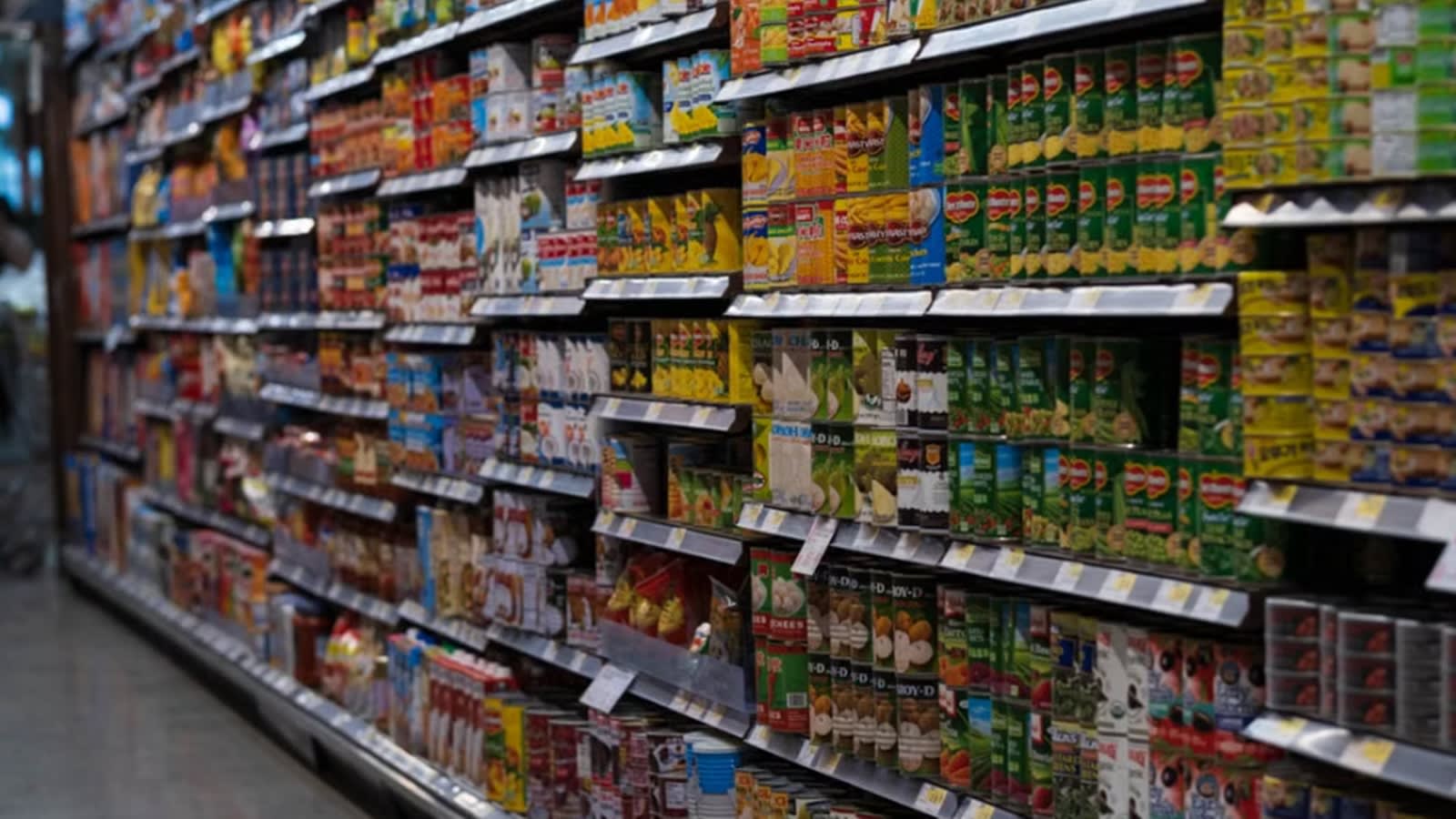
The Supreme Court of India has directed the FSSAI to implement front-of-pack warning labels on packaged foods to combat rising obesity. This initiative targets high fat, sugar, and salt content following alarming data from the National Family Health Survey-6.
India's Regulatory Pivot Toward Nutritional Transparency
The Supreme Court of India has issued a landmark directive to the Union government, mandating the Food Safety and Standards Authority of India (FSSAI) to implement a comprehensive front-of-pack labelling (FOPL) regime. This judicial intervention, stemming from a public interest litigation, seeks to standardize how consumers perceive the nutritional quality of processed goods. By requiring clear warning labels on packaged products, the court is signaling a shift toward aggressive public health policy intended to curb the proliferation of unhealthy dietary habits across the nation.
The Mechanics of the Warning System
Central to the FSSAI's proposed implementation is a visual warning system characterized by a red hexagon on a white square background. This design is specifically tailored to highlight products classified as high in fat, sugar, or salt (HFSS). By placing this warning directly on the front of the packaging, the policy aims to eliminate the ambiguity often found in complex, fine-print nutritional tables, allowing consumers to make informed choices at a glance. This shift represents a significant regulatory evolution from voluntary compliance to mandatory, standardized safety communication.
Data-Driven Public Health Policy
The push for this mandate is firmly rooted in the stark findings of the National Family Health Survey-6 (2023–24). The data paints a concerning picture of metabolic health in India, revealing a quantifiable increase in obesity rates. Among men in the 15-49 age group, obesity rose from 23 percent in the 2019-21 survey period to 27 percent in the current reporting cycle. Similar trends are observed among women, underscoring a systemic health crisis that necessitates immediate intervention through both policy and education.
Addressing the HFSS Epidemic
High-fat, sugar, and salt (HFSS) products have become ubiquitous in the modern Indian diet, contributing significantly to the metabolic health issues captured by the recent survey data. The FSSAI's single-phase approach is designed to tackle this consumption pattern by discouraging the intake of processed foods that lack nutritional density. By focusing on the 'red hexagon' strategy, the government is adopting a behavioral economics approach, leveraging visual deterrents to influence consumer purchase decisions in real-time retail environments.
Broader Implications and Future Outlook
This regulatory shift is likely to disrupt the packaged food industry, forcing manufacturers to reconsider product formulations. As the FSSAI moves toward finalizing these labels, the broader implication is a long-term reduction in the national burden of non-communicable diseases. If successfully implemented, this policy could serve as a model for other developing nations grappling with the dual burden of malnutrition and the rising prevalence of obesity, effectively turning the grocery aisle into a critical frontline for public health advocacy.