After brief burst of rain, monsoon in dry phase, deficit rises to 18%
Source Entity
VISHWA MOHAN
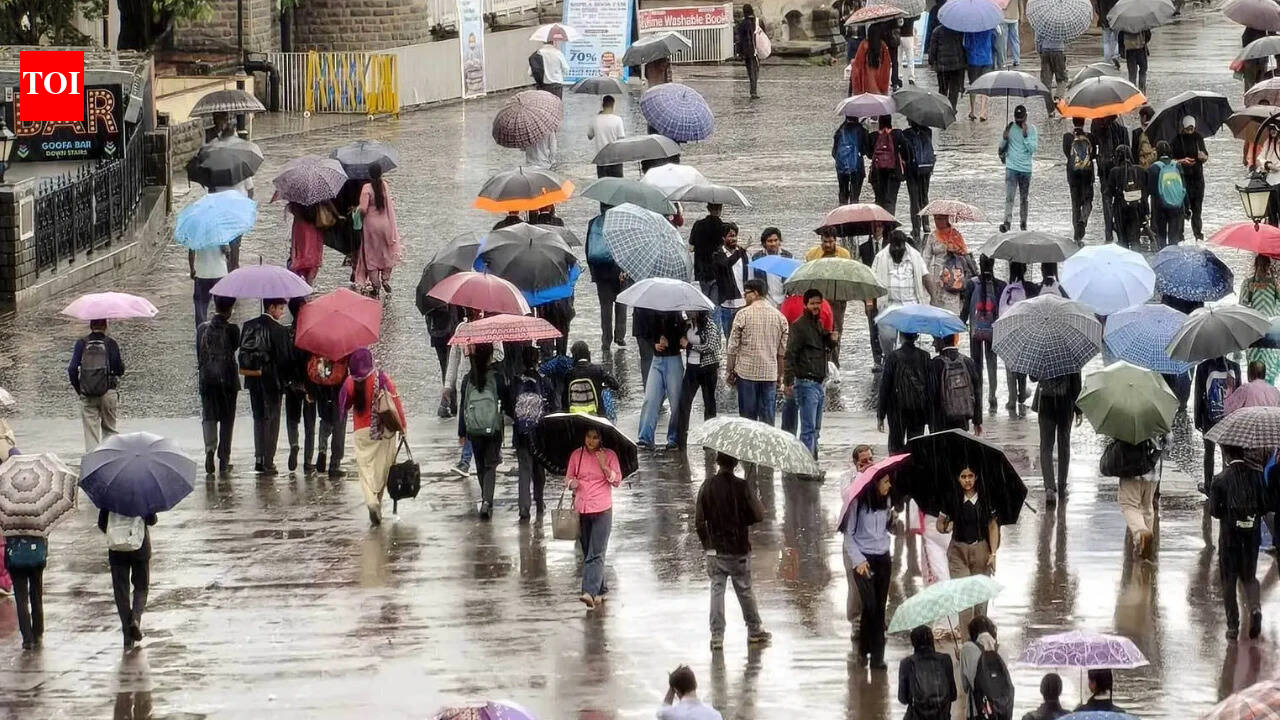
India's monsoon has weakened again after a week of good showers. The nationwide rainfall deficit has widened to eighteen percent on Sunday. Subdued rainfall activity is predicted over several key regions for the next week. This dry spell could undermine recent gains in agricultural sowing activities. Fifteen states are currently reporting significant rainfall deficits of twenty percent or more.
Analysis of India's Escalating Monsoon Deficit and Agricultural Risk
India's monsoon season, the primary driver of the nation's agrarian economy, has entered a concerning dry phase. After a brief period of recovery characterized by a week of productive showers, the nationwide rainfall deficit has widened to 18%. This volatility underscores the precarious nature of the current season, where short-term gains are being rapidly erased by prolonged dry spells. The current situation is not merely a meteorological anomaly but a systemic risk to the country's food security and economic stability.
The Critical Impact on Agricultural Sowing
The timing of this dry spell is particularly damaging as it coincides with the critical window for agricultural sowing activities. The monsoon is essential for the cultivation of Kharif crops, including rice, maize, soybean, and cotton. When rainfall is subdued during these pivotal weeks, the soil moisture levels drop, leading to poor germination and stunted crop growth. Farmers who may have begun sowing during the previous burst of rain now face the risk of crop failure if the predicted dry spell persists for the coming week, potentially forcing a costly re-sowing process.
Regional Disparities and Acute Deficits
A deeply concerning aspect of the current report is the uneven distribution of rainfall. With fifteen states reporting deficits of 20% or more, it is evident that the crisis is concentrated in key agricultural belts. Such significant regional deficits often lead to localized droughts, putting immense pressure on groundwater reserves and irrigation infrastructure. The disparity between states that received the "brief burst" of rain and those remaining in a deep deficit creates a fragmented economic landscape where some regions may recover while others face severe agricultural losses.
Understanding the 'Dry Phase' Phenomenon
From a meteorological perspective, the "dry phase" often refers to a break in the monsoon, where the monsoon trough shifts or weakens, leading to a temporary cessation of widespread rainfall. While breaks are a natural part of the monsoon cycle, their occurrence when the cumulative deficit is already at 18% is perilous. Historically, prolonged breaks during the mid-to-late monsoon season have been precursors to lower-than-average seasonal totals, which typically correlate with higher food inflation due to reduced crop yields.
Broader Economic Implications
The implications of an 18% rainfall deficit extend far beyond the farm gate. In India, agricultural output is closely tied to rural demand; a poor harvest reduces the purchasing power of millions of farmers, which in turn slows down the consumption of industrial and consumer goods. Furthermore, the government may be forced to intervene through expensive relief packages or by altering import/export policies for staples like rice and pulses to stabilize domestic prices and curb inflation.
Future Outlook and Mitigation
Looking ahead, the next few weeks will be decisive. If the predicted subdued activity continues, the deficit could climb toward the 20-25% mark, triggering emergency drought protocols in the most affected states. The focus will likely shift toward the management of reservoir levels and the deployment of micro-irrigation techniques to save existing crops. Experts will be monitoring the development of low-pressure systems in the Bay of Bengal, as these are often the only catalysts capable of breaking a dry spell and providing the necessary moisture to rescue the sowing season.
Conclusion
In summary, the widening rainfall deficit to 18% represents a significant threat to India's agricultural productivity. The combination of regional acute deficits and the current dry phase creates a high-risk environment for Kharif crops. Unless there is a substantial and well-distributed return of rainfall in the immediate future, the economic ripple effects—ranging from rural distress to urban food inflation—could be substantial.