'We don't intend to rush': India rejects quick US trade deal, pushes for better terms
Source Entity
TOI BUSINESS DESK
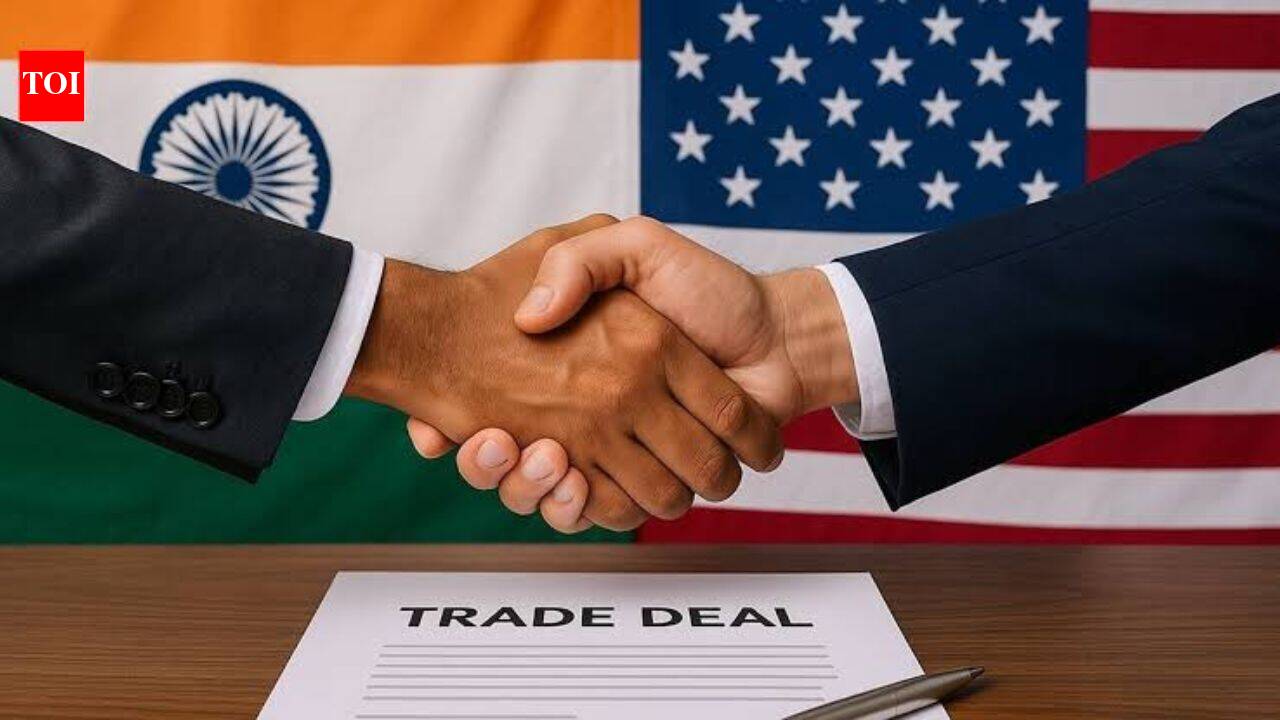
Representative image India has refused to rush into a quick trade agreement with the United States, choosing instead to hold out for more favourable terms despite mounting pressure from Washington, a...
Strategic Patience: Analyzing India's Stance on US Trade Negotiations
India's recent decision to reject a rushed trade agreement with the United States marks a significant moment in the bilateral relationship between the two global powers. By explicitly stating that it does not intend to rush the process, New Delhi is signaling a shift toward a more calculated and protective approach to its economic sovereignty. This decision underscores a broader geopolitical strategy where India prioritizes long-term structural benefits over the immediate political optics of signing a high-profile deal.
The Calculus of Caution and Domestic Protection
At the heart of India's refusal to accelerate negotiations is the need to protect its domestic industries, particularly the agricultural sector and micro, small, and medium enterprises (MSMEs). Historically, India has been wary of Free Trade Agreements (FTAs) that allow an influx of cheap agricultural imports, which could devastate the livelihoods of millions of Indian farmers. By pushing for better terms, India is likely seeking safeguards that ensure its domestic producers are not undercut by heavily subsidized US exports, while simultaneously seeking greater market access for its own services and labor force in the US.
Historical Context of Trade Frictions
This standoff does not exist in a vacuum but is the result of years of trade friction. The relationship has been strained by issues such as the US withdrawal of India's Generalized System of Preferences (GSP) status and disputes over tariffs on steel and aluminum. These past experiences have taught New Delhi that a rushed agreement often results in concessions that favor the stronger economy. Consequently, the current insistence on 'better terms' is a direct response to previous imbalances, as India seeks a more equitable partnership rather than a transactional arrangement that mirrors old colonial-era trade dynamics.
Geopolitical Implications and Strategic Autonomy
From a geopolitical lens, this move reflects India's commitment to 'strategic autonomy.' While the US is keen to integrate India more deeply into its economic sphere to counter the rising influence of China in the Indo-Pacific, India is demonstrating that its security partnership with Washington does not automatically translate into unconditional economic concessions. This creates a complex dynamic where the two nations are closely aligned on defense and intelligence but remain competitive and cautious on trade and commerce.
Future Trends: The Path Toward 'Mini-Deals'
Looking forward, it is unlikely that a comprehensive, all-encompassing trade deal will be reached in the short term. Instead, the trend will likely shift toward 'mini-deals' or sectoral agreements. These smaller, targeted pacts could focus on specific areas of mutual interest, such as critical minerals, green energy technology, or digital trade, allowing both nations to make progress without triggering the political sensitivities associated with a full-scale trade treaty. This phased approach allows India to test the waters while maintaining its protective barriers.
Conclusion
In summary, India's rejection of a quick trade deal is a calculated move to ensure that any future agreement is sustainable and mutually beneficial. By resisting pressure from Washington, New Delhi is asserting its position as a major economic pole that cannot be coerced into unfavorable terms. While this may slow the pace of bilateral trade growth in the immediate future, it lays the groundwork for a more stable and balanced economic partnership that respects the domestic priorities of both nations.