After 16 months, retail inflation crossed 4% in June; food inflation at 5.32%
Source Entity
Siddharth Upasani
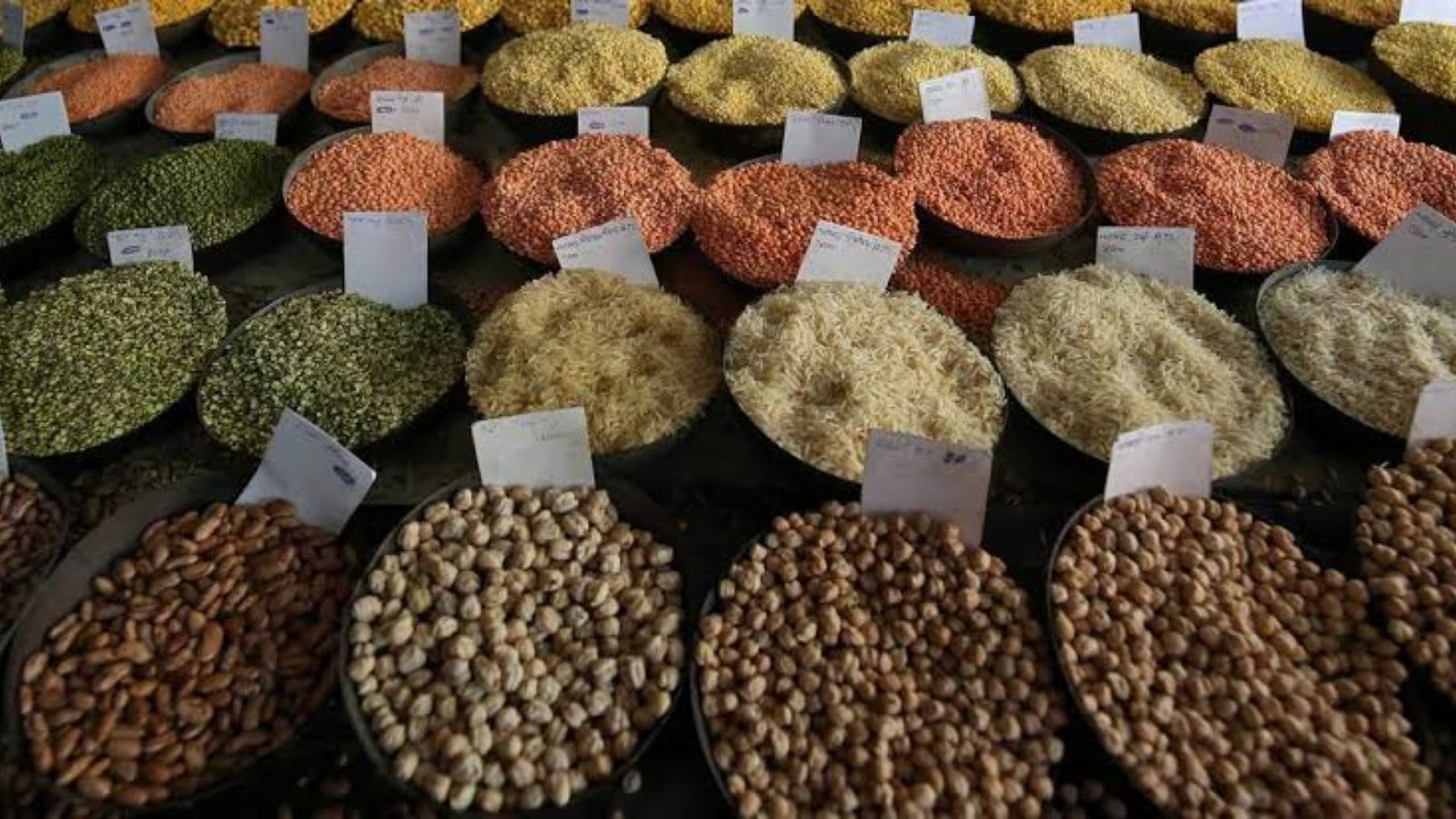
Prices for Indian households rose 4.38% in June – the most in one-and-a-half years – on the back of a continued rise in food prices. According to data released Monday by the Ministry of Statistics and...
Analysis of India's Retail Inflation Surge in June
India's economic landscape has encountered a significant headwind as retail inflation breached the 4% threshold in June, reaching 4.38%. This marks the first time in 16 months that inflation has climbed to this level, signaling a departure from the period of relative stability that had characterized the preceding year and a half. The breach of the 4% mark is not merely a statistical fluctuation but a critical indicator for policymakers, as it suggests a resurgence of price pressures within the domestic economy.
The Dominance of Food Inflation
At the heart of this inflationary spike is the food sector, where inflation reached 5.32%. In the Indian Consumer Price Index (CPI) basket, food and beverages carry a substantial weight, meaning that any volatility in agricultural output or distribution immediately translates into higher retail inflation. The rise to 5.32% suggests systemic pressures—likely stemming from seasonal crop cycles, erratic weather patterns affecting yields, or supply chain disruptions. When food prices rise, the impact is regressive, disproportionately affecting lower-income households who spend a larger share of their monthly earnings on basic sustenance.
Monetary Policy Implications and the RBI
The Reserve Bank of India (RBI) typically operates with a target inflation mandate of 4%, with a tolerance band of +/- 2%. While 4.38% remains within the overall tolerance range, the fact that it has crossed the primary 4% target after a long period of decline is a cause for concern for the Monetary Policy Committee (MPC). Such a trend often forces the central bank to maintain a 'hawkish' stance, meaning they are more likely to keep interest rates elevated to dampen demand and curb price rises. If food inflation remains sticky, the RBI may be hesitant to cut rates, which could potentially slow down corporate investment and borrowing.
Socio-Economic Impact on Households
For the average Indian household, a retail inflation rate of 4.38% represents a tangible decrease in purchasing power. As the cost of essential food items rises, consumers are forced to either reduce their consumption of high-quality proteins and vegetables or cut spending on non-essential services. This 'cost-of-living' pressure can lead to a slowdown in overall private final consumption expenditure (PFCE), which is a major driver of India's GDP growth. The psychological impact of crossing the 4% threshold can also lead to inflation expectations becoming 'unanchored,' where businesses raise prices in anticipation of further inflation.
Historical Context and Global Parallels
Comparing this June spike to the previous 16 months reveals a fragile equilibrium. India has been navigating a complex global environment characterized by volatile commodity prices and geopolitical tensions that affect fertilizer and fuel imports. Historically, India's inflation has been highly sensitive to the monsoon; therefore, this June increase may be a precursor to the impact of the current monsoon season's performance. If the rains are insufficient or uneven, the 5.32% food inflation could escalate, mirroring previous cycles where agricultural shocks led to prolonged inflationary periods.
Future Outlook and Predictions
Looking forward, the trajectory of inflation will depend heavily on the success of the current harvest and the government's intervention in food markets. We can expect the government to potentially implement export bans or increase imports of essential commodities (like pulses or edible oils) to bring food inflation back under control. If the RBI perceives this 4.38% figure as the start of an upward trend rather than a seasonal blip, the window for interest rate cuts in the near term will likely close, keeping borrowing costs high for mortgages and business loans.
Conclusion
In summary, the rise in retail inflation to 4.38% in June, fueled by a 5.32% jump in food prices, serves as a critical warning sign for the Indian economy. While the economy has shown resilience over the last 16 months, the current data highlights the persistent vulnerability of the CPI to food price shocks. The interplay between the RBI's monetary tightening and the government's fiscal measures to stabilize food supplies will be the deciding factor in whether inflation returns to the 4% target or settles into a higher, more problematic plateau.