JPMorgan's Dimon questioned on whether he lobbied UK government on Epstein's advice, FT reports
Source Entity
Yahoo Finance
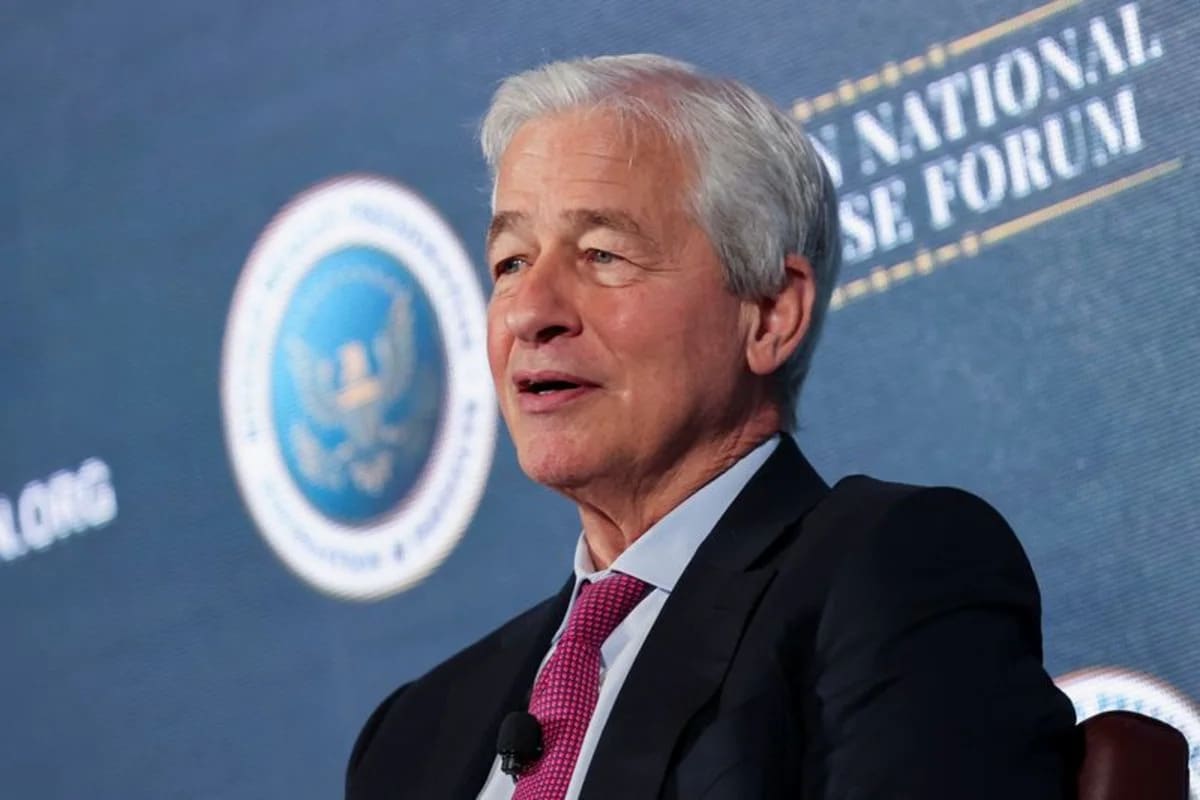
July 13 (Reuters) - JPMorgan CEO Jamie Dimon has received a letter from Democratic Senator Elizabeth Warren about whether he lobbied the UK government against a tax on bankers' bonuses on the advice ...
Scrutiny Over Influence: The Dimon-Epstein-UK Lobbying Connection
In a development that intertwines global finance, political lobbying, and the lingering shadow of the Jeffrey Epstein scandal, JPMorgan Chase CEO Jamie Dimon has come under fire. According to reports from the Financial Times and Reuters, Democratic Senator Elizabeth Warren has sent a formal inquiry to Dimon, questioning whether the banking titan sought or acted upon advice from Jeffrey Epstein to lobby the United Kingdom's government. The specific focus of this inquiry is the effort to prevent the imposition of a tax on bankers' bonuses, a move that would have significantly impacted the compensation structures of top-tier financial executives.
The Core of the Allegation: The Bankers' Bonus Tax
To understand the gravity of this inquiry, one must look at the historical context of the "Bankers' Bonus Tax." In the wake of the 2008 financial crisis, there was a global surge in public anger toward the banking sector, which was perceived as having been bailed out by taxpayers while executives continued to receive massive bonuses. Several governments, including the UK, explored or implemented levies on these bonuses to curb excessive risk-taking and recoup public funds. The allegation that Dimon utilized Epstein's network or strategic advice to thwart such legislation in the UK suggests a high-level attempt to protect corporate profits through non-traditional and ethically compromised channels.
The Epstein Factor and Institutional Risk
Jeffrey Epstein was known not just for his crimes, but for his role as a "super-connector" who bridged the gap between wealth, academia, and political power. For JPMorgan, the association with Epstein has already been a source of significant legal and reputational distress, leading to costly settlements in recent years. The suggestion that Epstein's influence extended beyond mere financial management into the realm of strategic political lobbying for the bank's CEO adds a new dimension to the controversy. It raises critical questions about the due diligence performed by the bank and the nature of the relationship between its top leadership and a man whose reputation was fundamentally toxic.
Political Pressure from Senator Elizabeth Warren
Senator Elizabeth Warren's involvement is not surprising, as she has long been one of the most vocal critics of "Too Big to Fail" institutions. By framing this inquiry around the UK bonus tax, Warren is highlighting a pattern of corporate influence that she argues undermines democratic governance and fair taxation. This move serves a dual purpose: it puts pressure on JPMorgan to be transparent about its lobbying efforts and signals to the financial industry that associations with disgraced figures like Epstein will be scrutinized not just for legal liabilities, but for their role in shaping public policy.
Broader Implications for Corporate Governance
This incident underscores a systemic issue within global corporate governance: the use of "shadow advisors" and the lack of transparency in international lobbying. When a CEO of a systemic bank is questioned about the advice of a convicted sex offender regarding foreign tax policy, it exposes the opacity of how global financial elites interact with state power. It suggests that the boundaries between professional consulting and illicit influence can become blurred, creating a vulnerability where corporate interests are served by individuals who operate outside the bounds of conventional ethics.
Future Trends: Accountability and Disclosure
Looking forward, this event is likely to contribute to a broader trend of increased demand for lobbying transparency. We can expect regulatory bodies and legislative committees to push for more detailed disclosures regarding who banks hire for strategic advice and how those advisors interact with government officials. Furthermore, the "Epstein contagion" continues to force institutions to audit their historical ties, suggesting that many more revelations regarding the intersection of Epstein's network and corporate strategy may yet emerge.
Summary of the Conflict
Ultimately, the clash between Senator Warren and Jamie Dimon is a microcosm of the ongoing struggle between the power of global finance and the demand for ethical accountability. Whether or not it is proven that Epstein's advice directly influenced UK tax policy, the mere existence of the inquiry damages the narrative of corporate responsibility that JPMorgan has sought to maintain. The case highlights the enduring legacy of Jeffrey Epstein as a symbol of the unchecked influence that can be wielded by the ultra-wealthy in the corridors of power.