Wrong'un! India's once-feared spin arsenal is running dry
Source Entity
PRATYUSH RAJ
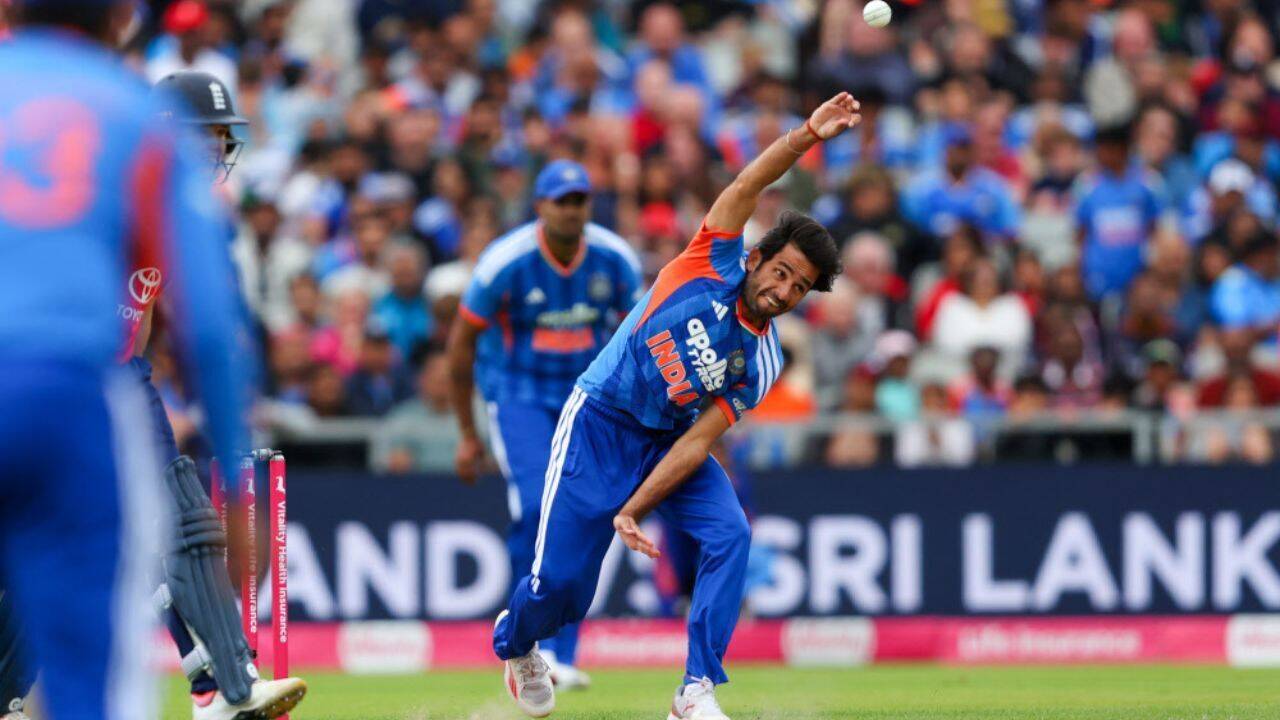
India's once-formidable spin attack is losing its edge. From repeated failures to take wickets in the middle overs against Ireland, England and in recent T20I series, to a thinning talent pipeline, India's traditional strength has become a growing concern, forcing the team management to increasingly rely on pace rather than spin.
The Erosion of an Empire: Analyzing India's Spin Crisis
For decades, the Indian cricket team has built its global dominance on the foundation of a lethal spin arsenal. From the legendary era of Bishan Singh Bedi to the modern mastery of Ravichandran Ashwin and Ravindra Jadeja, spin has been India's primary weapon, particularly on home soil. However, recent performances suggest a worrying trend: the once-feared spin attack is losing its edge. The inability to penetrate batting lineups during the critical middle overs has transformed a traditional strength into a strategic liability, signaling a potential shift in the power dynamics of Indian cricket.
The Middle-Over Malaise
The core of the current crisis lies in the failure to secure wickets during the middle phase of the game. As highlighted by recent struggles against teams like Ireland and England, Indian spinners are increasingly being treated as 'containment' options rather than 'wicket-taking' threats. In modern T20 and ODI cricket, the middle overs are where matches are won or lost; when spinners fail to break partnerships, it allows opponents to build momentum and launch devastating assaults in the death overs. This lack of penetration suggests that opposing batters have decoded the patterns of India's current spin rotation, rendering their deliveries predictable and less threatening.
A Thinning Talent Pipeline
Beyond the immediate on-field struggles is the more systemic issue of a thinning talent pipeline. India has historically benefited from a deep reservoir of spin talent emerging from the domestic circuit. However, there is a growing concern that the transition from veteran stalwarts to the next generation is not happening seamlessly. The gap between the elite performers and the emerging prospects has widened, leaving the team management with limited options when injuries strike or form dips. This shortage of high-quality, match-winning spinners means that India can no longer rely on a 'plug-and-play' system to maintain its spin dominance.
The Strategic Pivot to Pace
As a direct consequence of this decline, there has been a noticeable shift in India's tactical approach, with an increasing reliance on pace bowlers to do the heavy lifting. While India has developed a world-class fast-bowling unit, leaning too heavily on pace removes the balance that once made them invincible at home. By pivoting away from spin, India risks losing its greatest psychological advantage—the fear that opposing batters feel when facing quality spin on turning tracks. This strategic shift is a reactionary measure to a void in the spin department, rather than a proactive evolution of the game plan.
Historical Context and Modern Challenges
Historically, Indian spin was characterized by variety and guile. The 'wrong'un' and subtle changes in flight and pace were hallmarks of their success. However, the evolution of the T20 game has seen batters become more aggressive and proficient against spin, utilizing innovative shots to neutralize turn. The current struggle is not just a failure of individual players but a reflection of a broader challenge: the need to reinvent spin bowling for a high-scoring era. The reliance on traditional methods is no longer sufficient against modern batting lineups that prioritize strike rates over survival.
Future Outlook and Necessary Reforms
To reclaim its status as a spin powerhouse, India must look beyond the current roster and invest heavily in identifying and nurturing versatile spin talent. This involves moving away from the 'safe' containment approach and encouraging spinners to take risks to take wickets. The integration of data analytics to identify batter weaknesses and the development of new variations will be crucial. If India fails to address the talent pipeline and the tactical stagnation of its spin attack, it may find itself vulnerable in major tournaments where spin is traditionally the deciding factor.
Summary
India's spin attack is at a crossroads. The combination of failing to take middle-over wickets and a lack of emerging talent has forced a precarious reliance on pace. To avoid a permanent decline in this traditional strength, the team must modernize its approach to spin and aggressively scout for the next generation of wicket-takers to ensure the 'spin arsenal' is replenished.