India hand England the match on a platter; fielding and Shreyas Iyer captaincy both sub-standard
Source Entity
Latest News: Today's Latest News Headlines from India & World | Hindustan Times | Hindustan Times
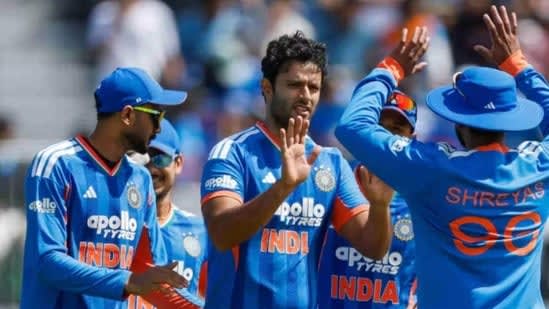
Two blunders in the field particularly cost India dear as Jos Buttler and Harry Brook put Shreyas Iyer's bunch to the sword.
Analysis: India's Self-Inflicted Defeat Against England
The recent encounter between India and England was a stark reminder of how quickly a high-stakes match can slip away when fundamental discipline falters. While the contest was expected to be a high-octane battle of skill, the outcome was heavily influenced by unforced errors that essentially handed the victory to the English side on a silver platter. Instead of a hard-fought contest decided by superior talent, the match became a showcase of missed opportunities for India, leaving fans and analysts questioning the team's mental fortitude in critical moments.
The Cost of Fielding Blunders
At the heart of India's downfall were two significant fielding blunders that fundamentally altered the game's trajectory. In modern, high-stakes international cricket, fielding is often the invisible difference between winning and losing. These lapses provided Jos Buttler and Harry Brook with the momentum required to dismantle the Indian bowling attack. When elite batters are gifted extra lives or extra runs through poor fielding, the psychological advantage shifts instantly, and in this instance, England capitalized on that shift with ruthless efficiency.
Leadership Under the Microscope
The scrutiny following the match has not only been directed at the players in the field but also at the captaincy of Shreyas Iyer. Reports suggest that Iyer's leadership was sub-standard, failing to provide the tactical direction needed to navigate the middle overs. A captain's role is to maintain composure and adjust field placements to counter an aggressive batting onslaught; however, the lack of visible tactical intervention during England's surge suggests a gap in leadership readiness at this level of international competition.
The Clinical Nature of England’s Attack
England's success was not merely a product of Indian errors, but also of their own clinical execution. Jos Buttler and Harry Brook demonstrated why they are among the most feared names in the current international circuit. By identifying and exploiting the lapses in India's fielding and captaincy, they turned a competitive match into a one-sided affair. Their ability to punish errors is a hallmark of England's aggressive philosophy, making them particularly dangerous when an opponent's discipline wavers.
Broader Implications for Indian Cricket
This defeat carries significant implications for the future of the Indian squad. When a team loses due to avoidable mistakes rather than being outplayed in terms of raw talent, it signals a need for a review of training intensities and mental conditioning. Furthermore, the performance of Shreyas Iyer as a leader will likely be a point of contention for the selection committee, as the team looks to solidify its leadership structure for upcoming major tournaments and ensure stability in the captaincy role.
Future Trends and Lessons Learned
Looking ahead, the trend in international cricket is moving toward extreme precision where every run and every catch is vital. India's inability to maintain fielding standards suggests that they must evolve their approach to ground fielding and catching under pressure. If the team is to compete with the likes of England in the long term, they must bridge the gap between individual talent and collective discipline, ensuring that matches are won through proactive play rather than lost through reactive mistakes.
Conclusion
In conclusion, India's loss to England was a preventable disaster. The combination of fielding lapses and sub-standard captaincy created a perfect storm that allowed England's heavy hitters to dominate. For India to reclaim their dominance on the world stage, they must address these fundamental flaws in discipline and tactical leadership to ensure they do not again hand matches to their opponents so easily.
Verification Required?