Shubman Gill explains early handshake as India-New Zealand 1st Test ends in a stalemate: ‘Wanted to keep bowlers fresh’
Source Entity
Latest News: Todays Latest News Headlines from India & World | Hindustan Times
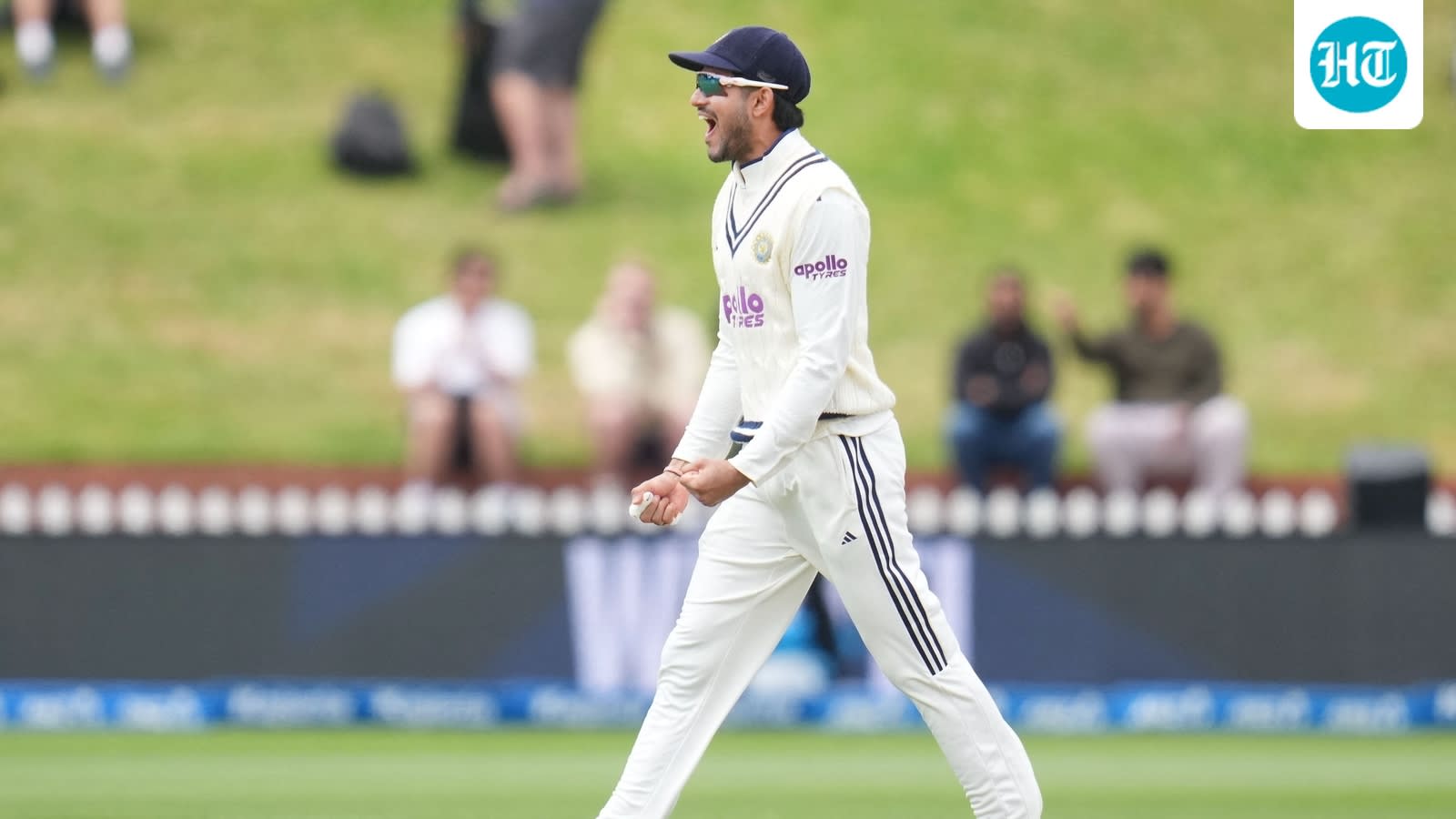
The first Test between India and New Zealand ended in a stalemate at Wellington after a flat pitch neutralized India's bowling attack. Captain Shubman Gill defended the decision to end the match early, citing bowler fatigue and poor surface conditions.
A Stalemate at Basin Reserve: Analyzing the India vs. New Zealand First Test
The first Test match between India and New Zealand at Wellington’s Basin Reserve concluded in a draw, a result that leaves India in a difficult position regarding their World Test Championship (WTC) final qualification path. Despite India’s commanding first-innings performance—posting a massive 720/9 declared in response to New Zealand’s 368—the match ended without a decisive result. The necessity for India to secure a victory was clear, as every point is vital in the high-stakes WTC cycle.
The Challenge of the Surface
Central to the draw was the nature of the Basin Reserve pitch. While the surface initially promised assistance to the bowlers, it progressively flattened, rendering it 'lifeless' by the final days. Captain Shubman Gill expressed clear frustration with the pitch quality, noting that it became increasingly difficult to extract movement or carry. This lack of assistance from the surface proved to be the primary obstacle for the Indian bowling unit, which struggled to take the remaining eight wickets needed on the final day despite high expectations placed on spearhead Jasprit Bumrah.
Tactical Decisions and Bowler Workload
As the match drifted toward a stalemate, the decision to call off the contest early became a talking point. Shubman Gill defended this tactical move, emphasizing the physical toll on his fast bowlers. With a short turnaround before the next fixture, the risk of injury and the necessity of keeping the pace attack fresh for the remainder of the series outweighed the marginal possibility of forcing a late-game result on an uncooperative pitch.
Controversies and Selection Debates
Beyond the pitch conditions, the match was marked by significant discussions regarding team selection and international cricket regulations. Gill addressed the omission of pacer Mohammed Siraj, clarifying that the decision was based strictly on current form. Furthermore, the Indian captain sparked debate by calling for a review of the post-COVID ban on using saliva to shine the ball. Gill argued that the regulation is outdated and unfairly hinders bowlers, particularly in conditions where the ball offers little natural assistance.
Broader Implications for the WTC
For India, this draw represents a missed opportunity to build momentum. Given the intensity of the World Test Championship standings, dropping points due to a draw—especially after dominating large portions of the game—places additional pressure on the team heading into the next Test. The inability to bowl out New Zealand on a flat track serves as a reminder of the tactical adjustments required for touring sides when faced with conditions that fail to reward traditional seam-bowling strategies.
Conclusion
The Wellington Test serves as a complex case study in modern Test cricket, where extreme batting dominance and unhelpful surfaces can lead to stale outcomes. While India showcased their batting superiority, the limitations of the pitch and the strategic management of player fatigue defined the narrative. Moving forward, the team will need to reconcile their selection strategies and adapt to the realities of international regulations if they hope to secure the points necessary for WTC success.
Multiple Citing Sources
Verification Required?