India women refuse Asia Cup trophy from Mohsin Naqvi, repeat men’s team stance
Source Entity
The Indian Express
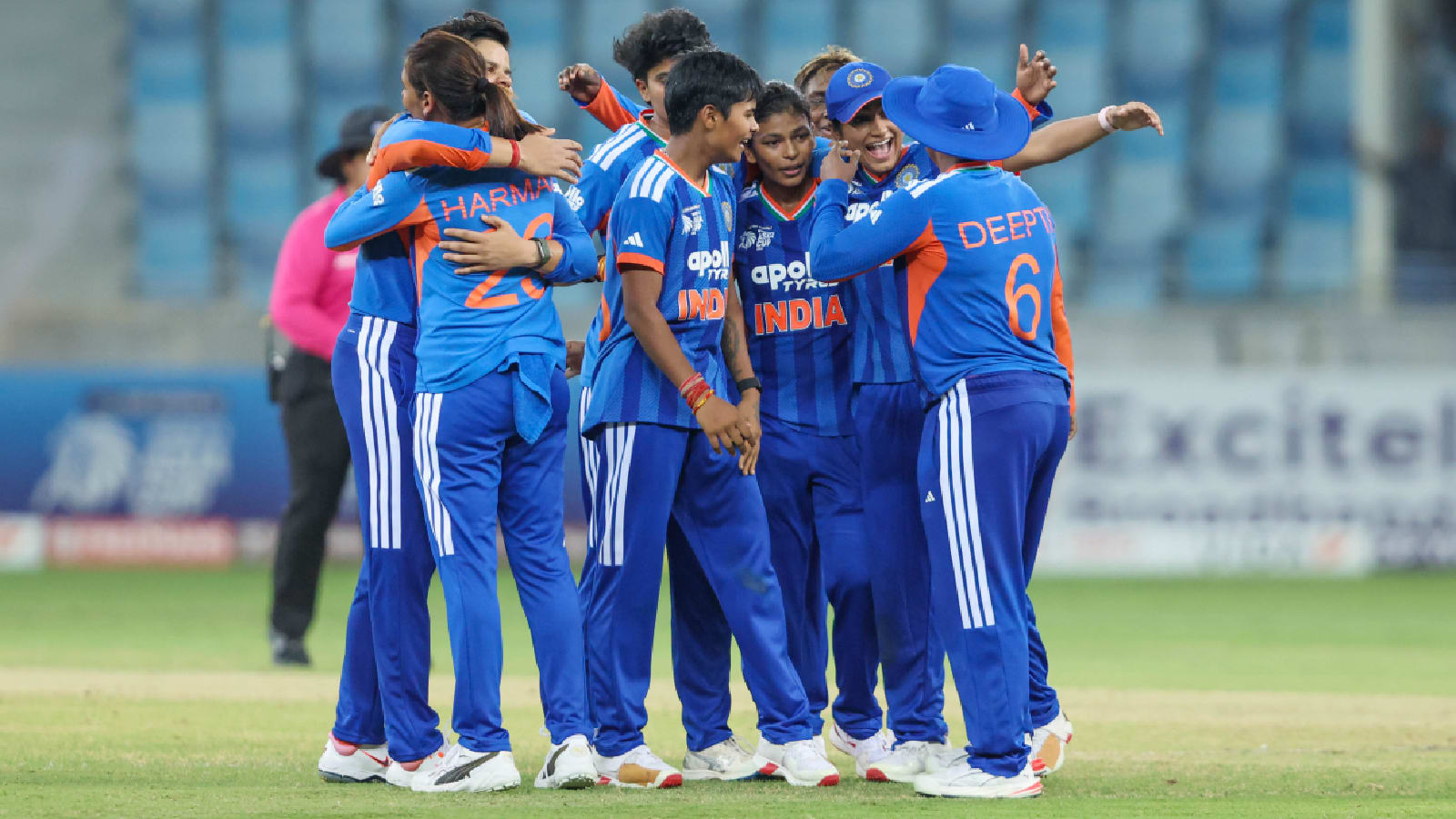
India and Sri Lanka are set to face off in the Women's Asia Cup final in Dubai, marking their third consecutive title clash. While India seeks redemption for their 2024 defeat in Dambulla, defending champion Sri Lanka aims to retain the trophy following a resilient tournament run.
A Renewed Rivalry: The Women’s Asia Cup Final
The landscape of women’s cricket in Asia has been defined by the consistent dominance of India and the surging resilience of Sri Lanka. As the two sides prepare to meet at the Dubai International Cricket Stadium, the match represents more than just a trophy hunt; it is a tactical battle between a powerhouse seeking to reclaim its crown and a defending champion looking to cement its status as a continental heavyweight.
A Historical Context of Dominance
Historically, the Women’s Asia Cup has been a stage dominated by these two nations. In the tournament's inaugural years, India and Sri Lanka contested the title in each of the first four editions. After a fourteen-year hiatus from meeting in a summit clash, the rivalry has reignited with intensity. Since 2022, the two teams have met in three successive finals, highlighting a recurring pattern that underscores the structural superiority these two squads hold over the rest of the field.
The Shadow of Dambulla
For the Indian team, led by Harmanpreet Kaur, the upcoming final is deeply tied to the memory of the 2024 edition held in Dambulla. In that match, India entered as heavy favorites but suffered a decisive eight-wicket defeat against the hosts. This loss remains a significant psychological hurdle that the squad must overcome. The contrast between that defeat and their 2022 victory—where India swept aside Sri Lanka by the same eight-wicket margin—illustrates the volatility and competitive evolution of this rivalry.
Tactical Resilience and Momentum
India’s path to the Dubai final has been marked by strong momentum, including a comfortable victory over Bangladesh in the semi-finals. Conversely, Sri Lanka’s journey has been defined by extreme resilience. Their semi-final performance against Pakistan, where they recovered from a precarious position of 33/4 to chase down 131, serves as a warning to India that the defending champions possess the mental fortitude to handle high-pressure situations even when early wickets fall.
The Path to the Title
As India chases its eighth continental title across white-ball formats, the pressure on captain Harmanpreet Kaur to optimize the team’s batting performance is immense. Previous encounters have shown that India’s success depends on navigating Sri Lanka’s bowling attack, which has proven capable of dismantling top-order lineups. With the toss playing a potential role in the Dubai conditions, the ability to set or chase a target effectively will likely decide who lifts the trophy.
Future Implications for Continental Cricket
This final signifies the ongoing shift in the power dynamics of Asian women’s cricket. While India remains the team to beat, the emergence of Sri Lanka as a consistent title contender challenges the traditional hierarchy. The result in Dubai will not only determine the 2026 champion but also set the tone for future continental competitions, proving that the gap between the established giants and their challengers is narrowing significantly.
Multiple Citing Sources