India monsoon ends 12.6% below normal, fourth-lowest rainfall since 2001
Source Entity
Latest News: Todays Latest News Headlines from India & World | Hindustan Times | Hindustan Times
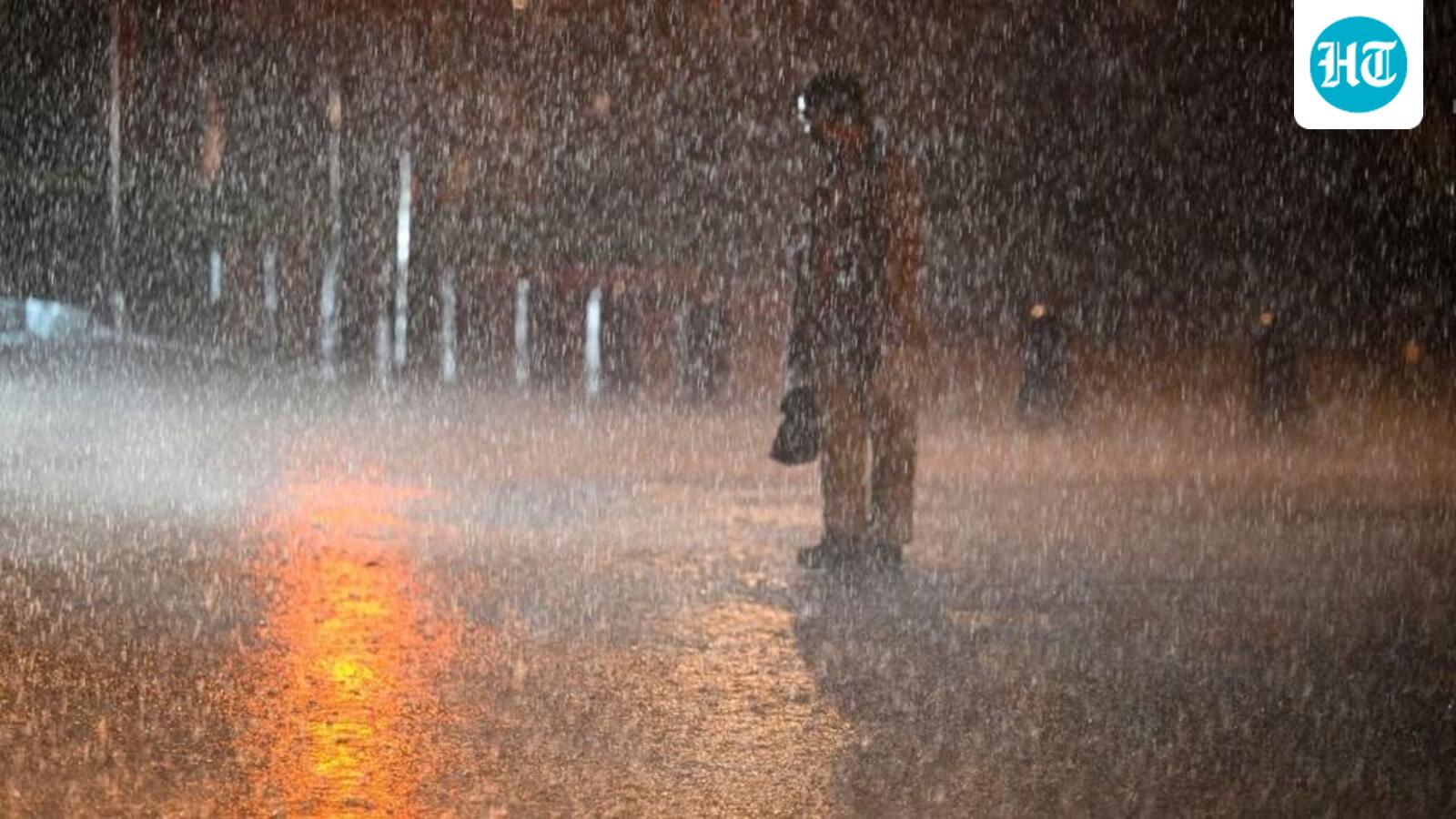
India is facing significant water stress as Chandigarh records its driest September in three years while Mumbai’s water reservoirs remain below capacity. The government is evaluating austerity measures, including urban water cuts, to mitigate the impact of El-Niño-driven drought conditions.
The Growing Water Crisis: A Meteorological and Administrative Challenge
Recent meteorological data and administrative reports from across India reveal a deepening water crisis driven by erratic monsoon patterns. In Chandigarh, the India Meteorological Department (IMD) confirmed that September recorded only 132.2 mm of rainfall, marking it the driest September in three years. While this figure technically hovered slightly above the normal threshold of 131.4 mm, it represents a significant decline compared to historical averages, contributing to an overall seasonal deficit of 15.9% since June.
The Impact of El-Niño on Monsoon Dynamics
The driving force behind these hydrological anomalies is the El-Niño climatic pattern. IMD Chandigarh Director Surender Paul highlighted that El-Niño conditions were instrumental in creating subdued rainfall during the critical final month of the monsoon season. Furthermore, the early withdrawal of the monsoon has exacerbated the moisture deficit, leaving regions like Chandigarh struggling to replenish water tables that were already stressed by inconsistent seasonal precipitation.
Maharashtra’s Reservoir Crisis
The situation is arguably more acute in Maharashtra, where the state is grappling with a widespread drought crisis. The Brihanmumbai Municipal Corporation (BMC) has sounded an alarm, noting that the seven lakes supplying water to Mumbai failed to reach the 100% capacity mark this year—a stark contrast to previous years where levels consistently neared full capacity. Consequently, officials have warned that current water stocks are projected to last only until May, necessitating urgent management strategies.
Legislative Responses and Resource Management
In response to the drying reservoirs and agrarian distress, the Maharashtra state government has initiated a Cabinet sub-committee on drought mitigation. Proposals currently under review include a 10% reduction in urban water supply and stringent restrictions on construction activities in water-scarce zones. This legislative focus aims to balance the needs of urban centers with the survival of rural economies, which are currently suffering under the weight of drought declarations in 265 tehsils.
Socio-Economic Implications and Future Outlook
Beyond immediate water cuts, the government is looking toward long-term economic stability. By planning an expenditure of Rs 6,728 crore under the employment guarantee scheme, the administration hopes to inject liquidity into the rural economy to offset the impacts of agricultural failure. However, the reliance on such fiscal measures underscores the severity of the drought; without a shift in rainfall patterns or improved water harvesting infrastructure, cities like Mumbai and Chandigarh face a period of sustained austerity.
Conclusion
The intersection of climate-driven meteorological shifts and the resulting strain on urban and rural water infrastructure highlights a critical vulnerability in India's resource management. As authorities weigh the implementation of water cuts and employment guarantees, the focus must remain on sustainable water usage and long-term climate adaptation strategies to mitigate the ongoing threat posed by increasingly unpredictable monsoon seasons.
Multiple Citing Sources
Verification Required?