Pakistan, sports and handshakes: Cricketers need to understand they aren’t ‘more patriotic’
Source Entity
Mihir Vasavda
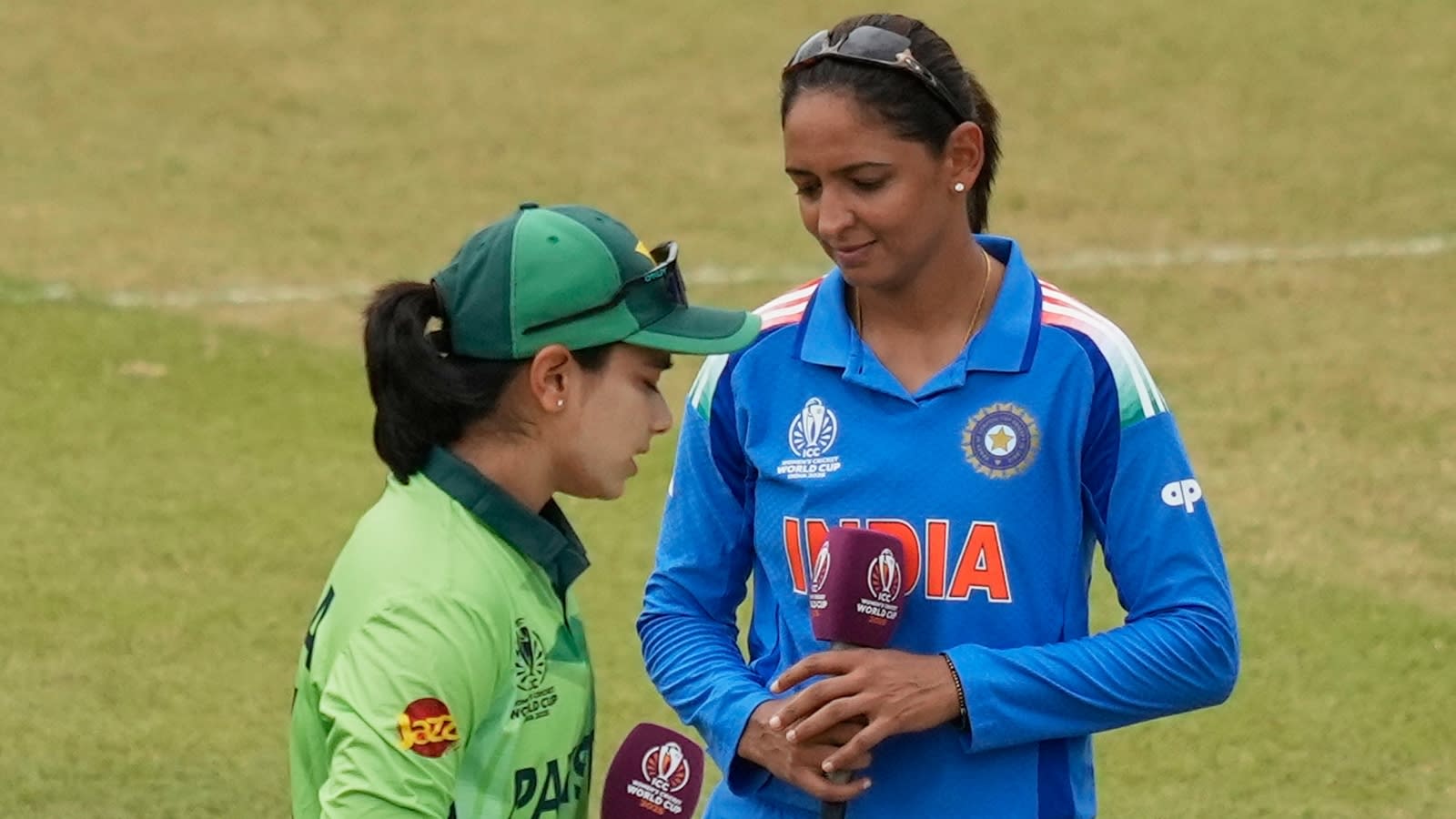
Indian cricketers have faced scrutiny for maintaining a no-handshake policy against Pakistan during the Women's Asia Cup. This behavior contrasts sharply with the camaraderie displayed by other Indian athletes at the Asian Games.
The Diplomatic Dissonance in Indian Cricket
Recent events at the Women’s Asia Cup have sparked a significant debate regarding the intersection of sportsmanship and national identity. While athletes across various disciplines at events like the Asian Games—including kabaddi, squash, hockey, and boxing—regularly engage in traditional post-match gestures of respect like handshakes and glove touches, the Indian women's cricket team has notably maintained a policy of abstaining from these rituals when facing Pakistan. This deliberate choice has drawn public attention, particularly following the team's victory and the subsequent refusal to accept the trophy from Asian Cricket Council President Mohsin Naqvi.
The Contrast with Multi-Sport Ethos
The visual contrast between cricket and other sports is stark. In the broader context of international multi-sport events, the handshake is a universal language of mutual respect that transcends political tension. When an Indian kabaddi player or a boxer engages with a Pakistani counterpart, it reinforces the idea that the playing field serves as a neutral ground. By contrast, the cricket team's refusal creates a narrative of exceptionalism, suggesting that cricket operates under a different set of diplomatic rules than the rest of the sporting fraternity.
Implications of 'Patriotic' Signaling
The central concern raised by this behavior is the implicit signaling of patriotism. When cricketers walk away from opponents or avoid traditional ceremonies, it inadvertently sends a message that they are 'more patriotic' than their peers in other sports who do engage in standard post-match handshakes. This creates an uncomfortable hierarchy of nationalism, where the sport of cricket is used to articulate political stances that other national athletes are not expected to uphold.
The Role of Leadership and Protocol
The refusal to accept the trophy from ACC President Mohsin Naqvi further complicates the situation, moving the issue from mere on-field conduct to a formal diplomatic slight within the cricketing administration. This act elevates the tension from a personal choice by players to a systemic policy. It suggests that the governing bodies and team leadership are comfortable with using the platform of the sport to perform acts of exclusion that are rarely seen in other international sporting arenas.
Future Trends in Sports Diplomacy
Looking forward, this policy of non-engagement risks alienating the sport from the broader Olympic and international spirit of 'peace through play.' As cricket seeks further integration into global events, such as the Olympic Games, the pressure to conform to universal standards of sportsmanship will only increase. The sport must decide whether it wishes to be an outlier that prioritizes political optics over traditional sporting decorum, or if it will eventually align its protocols with the rest of the international athletic community.
Conclusion
Ultimately, the Indian cricket team's current stance represents a departure from the collaborative spirit seen in other Indian sports. While the desire to express national pride is understandable, the method of doing so through the exclusion of opponents creates a negative precedent. For the health of the game and its international reputation, a re-evaluation of these protocols is essential to ensure that cricket remains a sport of competition, not a tool for political signaling.