Indiana Supreme Court fixes land-taking payout at $20,840 in road project
Source Entity
TOI WORLD DESK
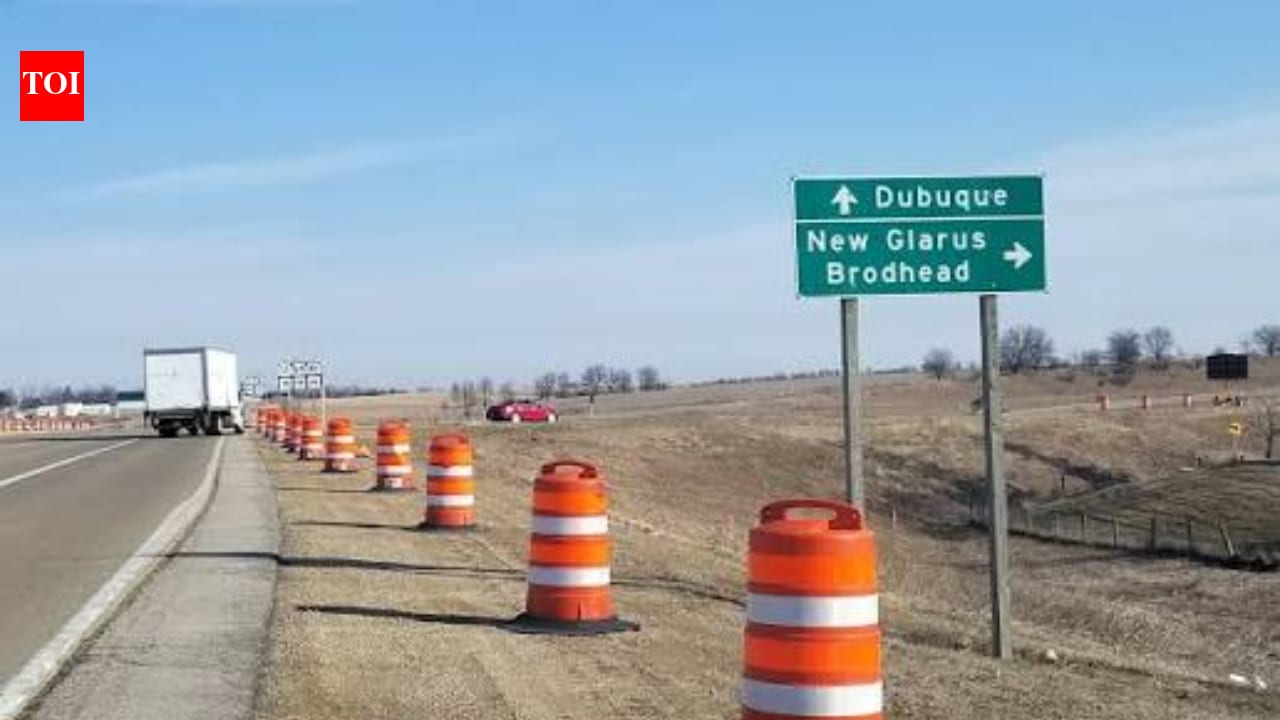
The Indiana Supreme Court has ruled that a $20,840 valuation for land acquired from Jeremy Willis for a State Road 11 project is final. The court mandated the lower court to finalize the judgment after both parties failed to object within the statutory 45-day window.
Legal Finality in Eminent Domain: The Indiana Supreme Court Ruling
In a recent judicial development concerning the intersection of infrastructure development and private property rights, the Indiana Supreme Court has issued a definitive ruling regarding a land acquisition dispute in Harrison County. The case, State of Indiana ex rel. Indiana Department of Transportation v. Harrison Circuit Court, et al., centers on the Indiana Department of Transportation’s (INDOT) effort to secure a portion of Jeremy Willis’s property for the expansion and improvement of State Road 11. By upholding the initial appraisal value of $20,840, the court has underscored the importance of strict adherence to statutory timelines in eminent domain proceedings.
The Mechanics of Eminent Domain and Statutory Deadlines
Eminent domain is the power of the government to take private property for public use, provided that just compensation is paid to the owner. In Indiana, the process is governed by specific procedural statutes designed to balance the state’s need for infrastructure development with the rights of individual landowners. A critical component of this process is the appraisal phase, which establishes the baseline for fair market value. In this instance, the appraisal of $20,840 was established, and the law provides a 45-day window for either the state or the property owner to file an exception if they disagree with the valuation.
Procedural Negligence and Judicial Economy
The central issue in this case was not the intrinsic value of the land itself, but rather the failure of either party to challenge the appraisers' report within the mandated 45-day period. The Indiana Supreme Court determined that because no objections were filed during this window, the appraisal effectively became a final award under state law. This ruling serves as a stark reminder of the principle of procedural finality; the courts prioritize the efficiency of the legal system by enforcing clear cut-offs, even when those cut-offs result in the acceptance of a valuation that may have been contested had the parties acted with greater alacrity.
Implications for Infrastructure Projects
State Road 11 serves as a vital artery for transit in Harrison County, and infrastructure projects of this nature often involve complex land acquisition negotiations. When these negotiations stall or lead to litigation, they can delay public works, increase costs for taxpayers, and create uncertainty for residents. By ordering the Harrison Circuit Court to finalize the judgment and authorize the release of the funds, the Supreme Court has effectively cleared a legal roadblock, allowing the Department of Transportation to proceed with the necessary improvements to the roadway.
Balancing Individual Rights and Public Utility
While the ruling favors the state’s procedural requirements, it also highlights the vulnerability of property owners within the eminent domain process. Jeremy Willis’s initial objection to the valuation represents the common tension between the state's exercise of eminent domain and an individual’s desire for equitable compensation. However, the legal system ultimately functions on the basis of established rules. Because the procedural mechanisms for challenging the appraisal were not utilized within the statutory timeframe, the court was compelled to uphold the status quo.
Conclusion and Future Outlook
This decision clarifies that in Indiana, the 45-day window for filing exceptions is a firm boundary that the judiciary is unlikely to overlook. Moving forward, this case will likely serve as a precedent for lower courts handling similar disputes, reinforcing the necessity for both government agencies and property owners to remain vigilant during the appraisal and objection phases of land acquisition. As Indiana continues to invest in its transportation infrastructure, the rigorous application of these procedural rules will remain a cornerstone of how the state navigates the complexities of land ownership and public utility.