U.S. court orders to proceed with planned ammunition detonation in Iowa
Source Entity
US Top News and Analysis
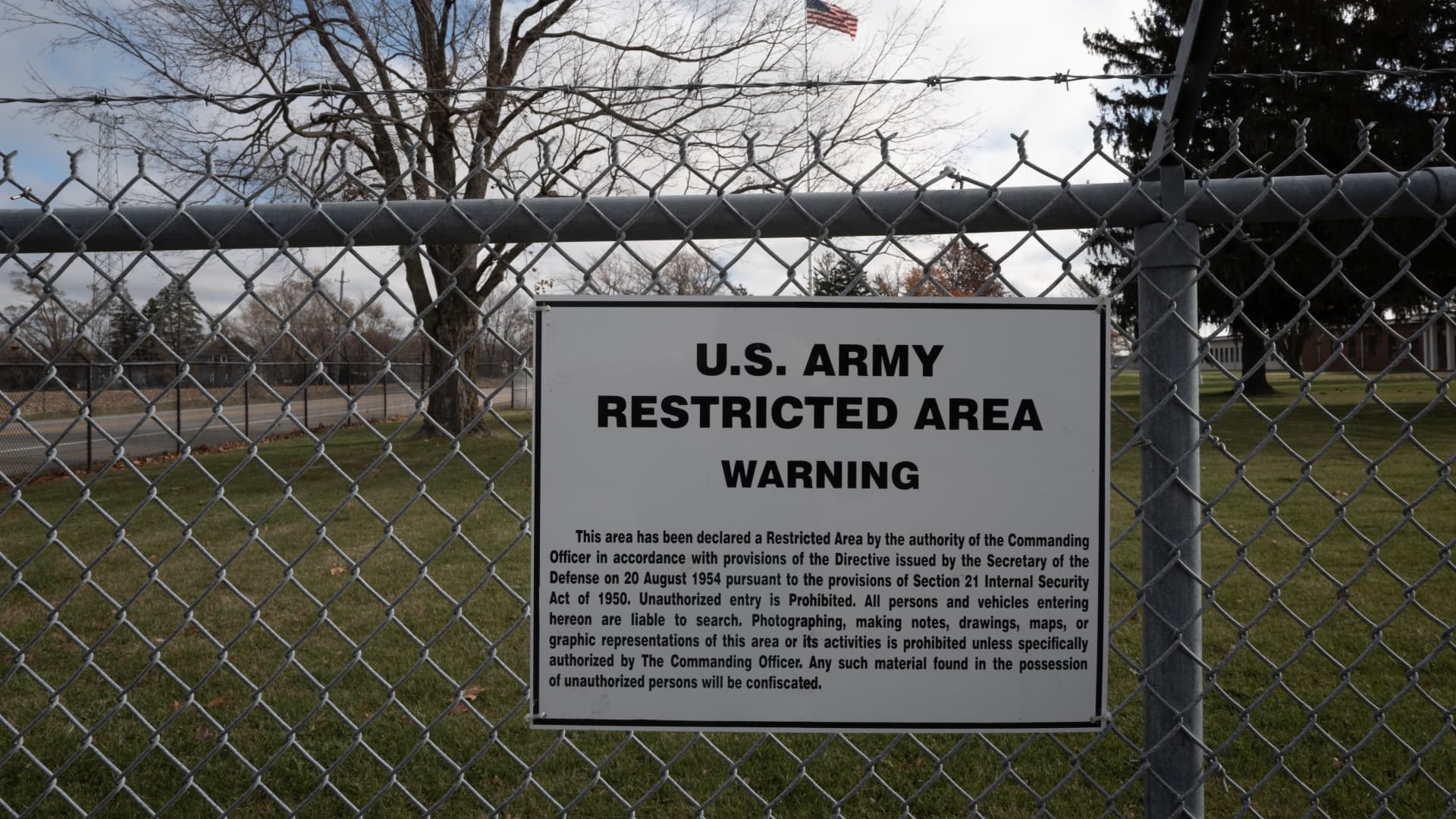
A U.S. appeals court has authorized the Army to proceed with the detonation of degraded explosives in Iowa, despite significant public health concerns. President Trump has subsequently ordered that the operation be paused pending further judicial review and state-level consent.
Federal Court and Executive Intervention in Iowa Ammunition Disposal
The Legal Battle Over Explosives Disposal
The U.S. Army's plan to destroy approximately 68 barrels of lead azide—a highly volatile explosive material—at the Iowa Army Ammunition Plant in Middletown has become the center of a complex legal and political standoff. Initially, the U.S. 8th Circuit Court of Appeals cleared the way for this operation, overturning attempts by environmental groups to block an emergency permit issued by the Environmental Protection Agency (EPA). The court acknowledged the significant risks involved in handling such degraded materials but ultimately sided with the necessity of disposal.
Public Concern and Environmental Risks
The proposal has sparked intense local opposition due to fears regarding potential contamination and the long-term health risks posed to the surrounding communities near the Iowa-Illinois border. The material in question, lead azide, is recognized for its instability, especially when degraded, making the prospect of a large-scale controlled detonation a source of anxiety for residents who worry about the release of toxic particulates into the atmosphere.
Executive Action and Political Uncertainty
Following the court’s initial clearance, President Donald Trump intervened, issuing a directive that the Army must halt the detonation process. The President stated he would defer to the federal appeals court's final determination while also explicitly tying the operation's future to the consent of the incoming state governor. This marks a notable shift in the implementation of federal military operations, as the President has prioritized executive oversight and state-level cooperation over the initial timeline set by the Army.
Logistics and Operational Delays
The Army has faced significant operational challenges, having rescheduled the detonation three separate times. Initially slated for a Friday, the operation was shifted to a Wednesday window that officials deemed meteorologically favorable. However, the combination of public pressure, environmental litigation, and now direct presidential intervention has left the timeline in a state of flux, with the Army remaining silent on how it intends to reconcile these conflicting directives.
Broader Implications for Federal Oversight
This incident highlights the tension between national security requirements—such as the safe disposal of hazardous military waste—and the rights of local populations to demand environmental safety. The reliance on an EPA emergency permit suggests that the military views this as a time-sensitive matter, yet the court’s involvement and the President’s subsequent order indicate that the process remains subject to rigorous public and political scrutiny. As the situation develops, the outcome will likely set a precedent for how federal agencies manage hazardous materials in civilian-adjacent territories.
Multiple Citing Sources