"Will Cut Them Off": Iran General Warns US Against Ground Invasion
Source Entity
NDTV News Search Records Found 1000
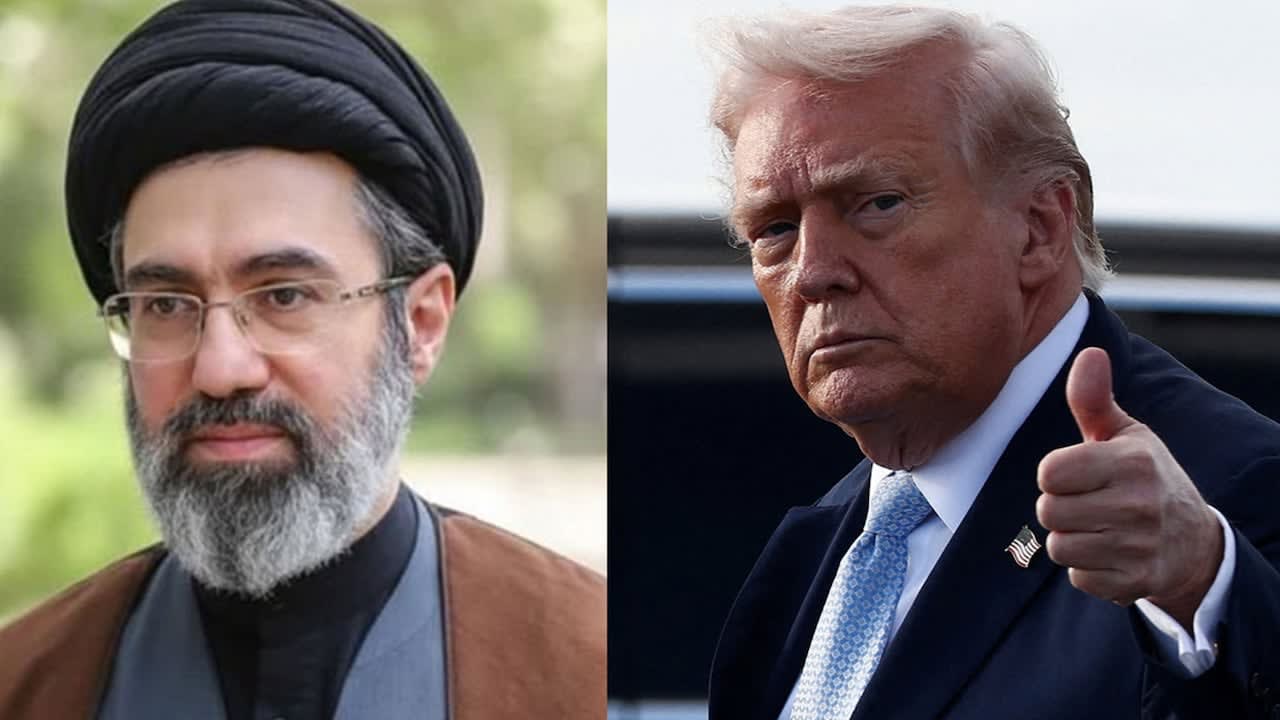
An Iranian general has issued a stern warning against a US ground invasion, signaling heightened regional tensions. Communication between Tehran and Washington continues to be facilitated solely through indirect diplomatic channels.
Tensions Escalate: The Rhetoric of Deterrence
Recent reports indicate that an Iranian general has issued a direct warning to the United States, explicitly cautioning against the prospects of a ground invasion. This rhetoric serves as a significant escalation in the ongoing geopolitical friction between the two nations, highlighting the fragile state of security in the Middle East. By publicly articulating a defensive posture, Iranian military leadership aims to deter conventional military intervention while projecting strength to both domestic and international audiences.
The Mechanics of Indirect Diplomacy
Despite the gravity of these warnings, it is critical to note that diplomatic channels between Tehran and Washington remain strictly indirect. This structural limitation in communication—often mediated by third-party nations—complicates the de-escalation process. Without a direct "red telephone" or formal embassy-level dialogue, the risk of miscalculation remains high, as both sides must rely on intermediaries to interpret intentions and convey strategic warnings.
Historical Context of US-Iran Relations
The history of US-Iran relations is defined by decades of mistrust, sanctions, and periodic military posturing. Since the 1979 revolution, the two countries have navigated a relationship characterized by the absence of formal diplomatic ties. The current warning regarding a potential ground invasion mirrors historical patterns where Iran utilizes asymmetric threats to counter the conventional military superiority of the United States. This posture reflects a long-standing strategy of maintaining strategic depth through regional influence and deterrence.
Strategic Implications and Regional Stability
Any discussion of a ground invasion carries profound implications for global stability, particularly given the interconnected nature of international energy markets and regional security alliances. A conflict of this magnitude would not only destabilize the immediate territory but would likely trigger a chain reaction involving proxy groups and regional partners. The general's warning underscores the Iranian military's sensitivity to the potential for conventional force, which they view as a direct threat to the current regime's stability.
Future Trends in Geopolitical Signaling
Looking forward, the reliance on indirect communication channels is likely to persist as a defining feature of the US-Iran dynamic. As both nations continue to navigate this period of heightened tension, the use of public rhetoric to signal intent will remain a primary tool for both diplomacy and intimidation. Observers should expect that until formal back-channel negotiations are established or normalized, the potential for verbal escalation will continue to be a standard, albeit dangerous, feature of the regional landscape.
Verification Required?