Irfan Pathan wants India to pick Riyan Parag and Rajat Patidar in the team
Source Entity
The Indian Express
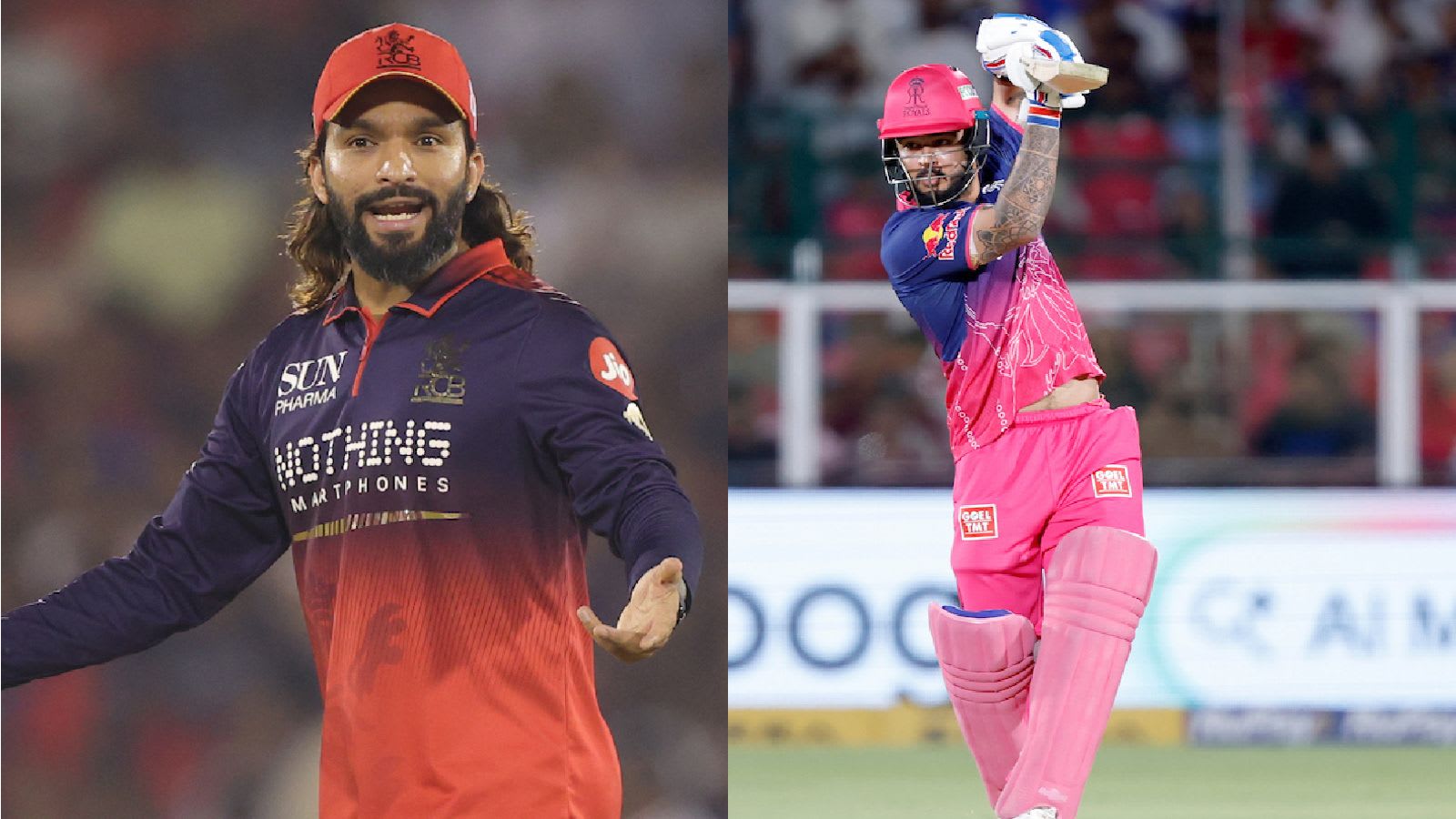
One tactical concern for the Indian team has been the number of left-handers in their top seven. On the days they had Sanju Samson, there was only one right-hander in the top three; otherwise, it beca...
Tactical Shift: Irfan Pathan's Blueprint for India's Batting Order
In the high-stakes environment of international cricket, tactical nuances often separate victory from defeat. Former Indian all-rounder Irfan Pathan has recently highlighted a significant strategic vulnerability in the current Indian batting lineup: the lack of a balanced left-right combination in the top seven. Pathan suggests that the integration of Riyan Parag and Rajat Patidar could be the key to neutralizing opposing bowling attacks and providing the versatility required to navigate different match situations.
The Strategic Importance of Left-Right Combinations
The core of Pathan's argument rests on the fundamental cricketing principle of disrupting a bowler's rhythm. When two batsmen of the same handedness are at the crease, a bowler can maintain a consistent line and length, often finding a repetitive groove that makes it easier to build pressure. Conversely, a left-right pairing forces the bowler to constantly adjust their line and length and compels the captain to frequently shift field placements. By incorporating right-handers like Parag and Patidar, India can prevent opposing captains from settling into a defensive shell and force them to rethink their bowling rotations mid-over.
Analyzing the Candidates: Riyan Parag and Rajat Patidar
Pathan's specific recommendations are not arbitrary. Riyan Parag represents a modern breed of aggressive cricketers who can accelerate the scoring rate in the middle overs—a phase where India has occasionally struggled with stagnation. His ability to hit through the line and find boundaries in the deep makes him an ideal candidate to bolster the lower-middle order. On the other hand, Rajat Patidar offers a blend of technical solidity and power hitting. Patidar's proficiency against spin, evidenced by his domestic and IPL performances, would provide a crucial insurance policy against quality slow bowlers who typically target left-handed clusters.
Addressing the 'Sanju Samson' Variable
The analysis further touches upon the fluidity of the current squad, specifically referencing the impact of Sanju Samson's presence. The observation that the top three often becomes overly skewed toward one side of the crease when certain players are absent underscores a lack of structural stability. This inconsistency makes the team predictable; if an opponent identifies a weakness in the left-handed options, the entire top order becomes vulnerable. By cementing right-handed specialists like Patidar and Parag into the core rotation, India can ensure that their tactical approach remains robust regardless of individual player availability.
Broader Implications for Future Tournaments
Looking ahead, the adoption of Pathan's suggestion could redefine India's approach to upcoming ICC events and bilateral series. As teams increasingly rely on data analytics to identify patterns in batting orders, predictability is a liability. A more diverse batting lineup allows the management to shuffle the order based on the opposition's bowling strengths without sacrificing the left-right dynamic. This flexibility is essential for maintaining momentum in T20s and ODIs, where the ability to rotate strike and manipulate the field is paramount.
Conclusion: A Call for Tactical Diversity
Ultimately, Irfan Pathan's insights serve as a reminder that talent alone is not enough; tactical symmetry is equally vital. The push for Riyan Parag and Rajat Patidar is not merely about individual form, but about the collective efficiency of the batting unit. If the Indian team management integrates these right-handed options, they will likely find themselves better equipped to handle diverse bowling attacks, ensuring a more resilient and unpredictable offensive strategy on the global stage.