Nvidia interim CEO Kress tells employees ‘let’s move forward’ at first all-hands meeting since Jensen Huang exit
Source Entity
US Top News and Analysis
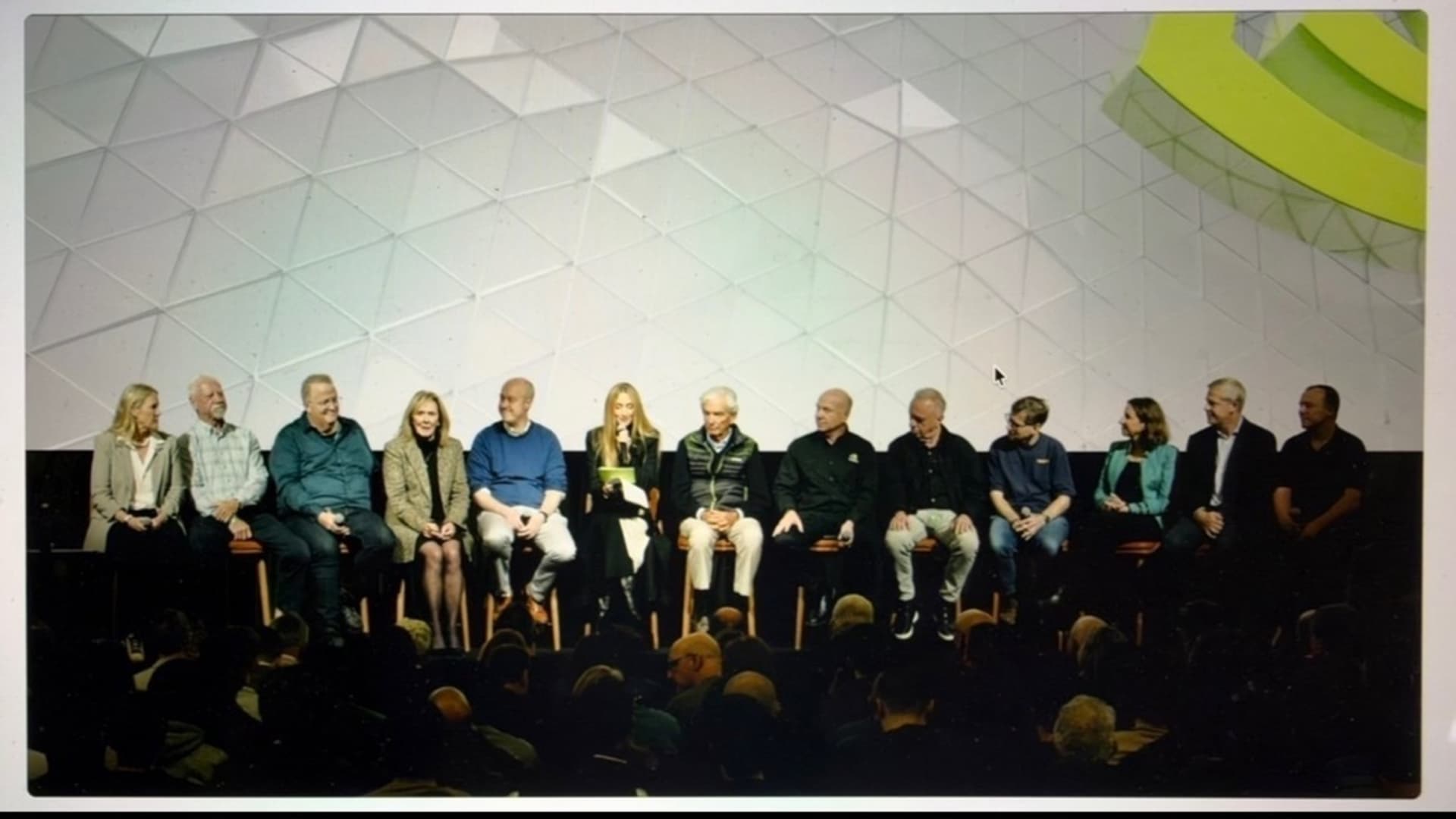
Former Nvidia CEO Jensen Huang has expressed regret over personal conduct issues that led to his resignation. President Trump has publicly signaled openness to Huang's potential reinstatement, despite ongoing scrutiny regarding his personal associations.
The Resignation and Accountability of Jensen Huang
Jensen Huang, the long-time leader of Nvidia, has formally stepped down as CEO following a series of controversies involving his personal life. In his first public statement since the resignation, Huang acknowledged making "serious mistakes" that placed an undue burden on Nvidia’s board of directors. By taking responsibility for his actions, Huang has initiated a complex transition period for one of the world's most critical technology firms, framing his departure as an effort to shield the company from further reputational damage.
The Nature of the Allegations
The core of the controversy stems from reports of extramarital relationships, including an association with a businesswoman who has faced scrutiny from U.S. intelligence agencies over alleged links to Chinese intelligence. Furthermore, reports indicate that Huang was involved in a relationship with an Nvidia executive. These dual layers of personal conduct—one involving potential national security implications and the other raising questions of corporate governance and internal policy—have created a volatile situation for a company central to the global semiconductor supply chain.
Presidential Intervention and Political Optics
In a notable development, U.S. President Donald Trump has weighed in on the potential for Huang’s return. Departing for diplomatic visits to the Philippines and China, Trump expressed that he would "not mind" seeing Huang reinstated, noting that the former executive has "learned a big lesson." Trump also cast doubt on the severity of the espionage-related allegations regarding the businesswoman in question, framing the situation as a personal lapse rather than a systemic security threat.
Strategic Maneuvering: The 'War Room'
Reports from the Financial Times suggest that Huang is not merely waiting for a board decision but is actively campaigning for his return. By allegedly assembling a "war room" of influential Silicon Valley executives to advocate for his reinstatement, Huang is attempting to leverage his industry stature to regain control. This strategy highlights the tension between personal accountability and the perceived necessity of his leadership in maintaining Nvidia's competitive edge in the AI and hardware markets.
Corporate Governance and Future Implications
Nvidia’s board of directors now faces a precarious decision. While Huang has expressed a willingness to return if deemed in the best interest of the company, employees, and shareholders, the board must balance his proven track record of innovation against the risks posed by his personal history. The involvement of U.S. intelligence scrutiny complicates any path to reinstatement, as it raises questions regarding the company's future relationship with federal regulators.
Conclusion: The Path Forward
The situation remains fluid as Nvidia navigates the vacuum left by its former leader. Whether the board chooses to move forward with a new permanent CEO or bows to the pressure of a "war room" campaign to reinstate Huang, the company’s future hinges on its ability to reconcile these personal controversies with its strategic objectives in a highly sensitive geopolitical environment.
Multiple Citing Sources