Musk says Jensen Huang is irreplaceable, regrets midterm spending
Source Entity
US Top News and Analysis
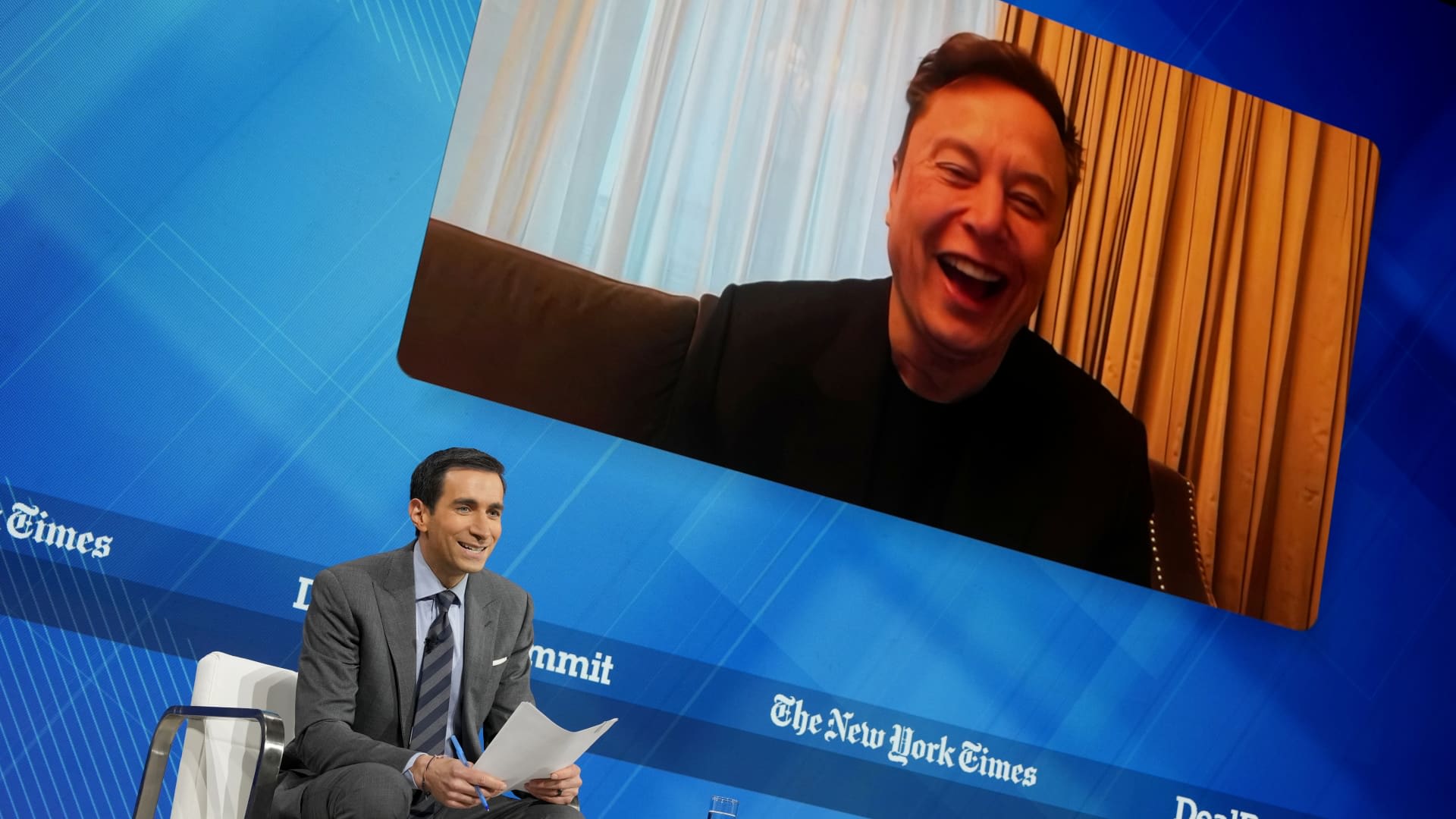
Industry leaders Palmer Luckey and Elon Musk have publicly criticized Nvidia's board for ousting CEO Jensen Huang. The leadership change followed controversies regarding Huang's personal conduct and alleged security risks involving China.
The Ousting of Jensen Huang: A Silicon Valley Power Shift
The sudden departure of Nvidia co-founder and CEO Jensen Huang after 33 years of leadership has sent shockwaves through the technology sector. Following the revelation of an extramarital affair with an individual alleged to be a Chinese spy—a person reportedly investigated for smuggling restricted Nvidia chips into China—the Nvidia board moved to remove Huang. This decision has sparked a polarized debate among Silicon Valley’s elite, centering on the intersection of corporate governance, national security, and individual brilliance.
Palmer Luckey’s Strategic Concerns
Anduril CEO Palmer Luckey has been among the most vocal critics of the board's decision, framing the leadership change as a geopolitical setback for the United States. Luckey argues that by removing Huang, the board is inadvertently serving the interests of China. According to Luckey, the destabilization of Nvidia’s leadership at such a critical juncture in the global AI race effectively weakens America’s competitive edge. His comments suggest that the board’s prioritization of optics over the preservation of an irreplaceable strategic asset may have long-term consequences for U.S. technological dominance.
The 'Michael Jordan' of Semiconductors
Elon Musk, a long-time associate of Huang, has offered a staunch defense of the former CEO. Drawing an analogy to basketball legend Michael Jordan, Musk emphasized that Huang represents an elite tier of entrepreneurship that cannot be easily replaced. By comparing Huang’s impact on Nvidia to Jordan’s impact on the Chicago Bulls, Musk highlighted the irreplaceable nature of a visionary founder who has scaled a company to become the backbone of the global artificial intelligence infrastructure.
National Security and Corporate Ethics
The controversy stems from a complex intersection of personal scandal and national security. The allegations that Huang’s partner may have been involved in smuggling sensitive semiconductor technology into China strike at the heart of U.S. export control policies. While the board clearly felt compelled to act to protect the company's integrity and compliance standing, critics like Musk maintain that Huang’s personal life should not overshadow his loyalty to the United States or his professional value to the company.
The Future of Nvidia and Talent Mobility
Musk’s public declaration that he would be interested in hiring Huang has fueled significant speculation regarding the former CEO's future. This scenario underscores a broader trend in the tech industry where high-profile leaders are often treated as singular assets whose value transcends corporate boundaries. As Nvidia navigates this transition, the industry will be watching to see if the company can maintain its lead in the AI chip market without the leadership that defined its last three decades.
Conclusion: Assessing the Fallout
The removal of Jensen Huang serves as a stark reminder of the fragile balance between corporate leadership and geopolitical risk. While the board clearly sought to mitigate potential liability regarding the alleged security breaches, the vocal opposition from figures like Luckey and Musk highlights the tension between moral accountability and the pragmatic need for high-level technical expertise. Whether this transition leads to a new era for Nvidia or a period of instability remains one of the most significant questions in the current technology landscape.
Multiple Citing Sources