Judge blocks Kennedy Center board from returning Trump's name to building
Source Entity
US Top News and Analysis
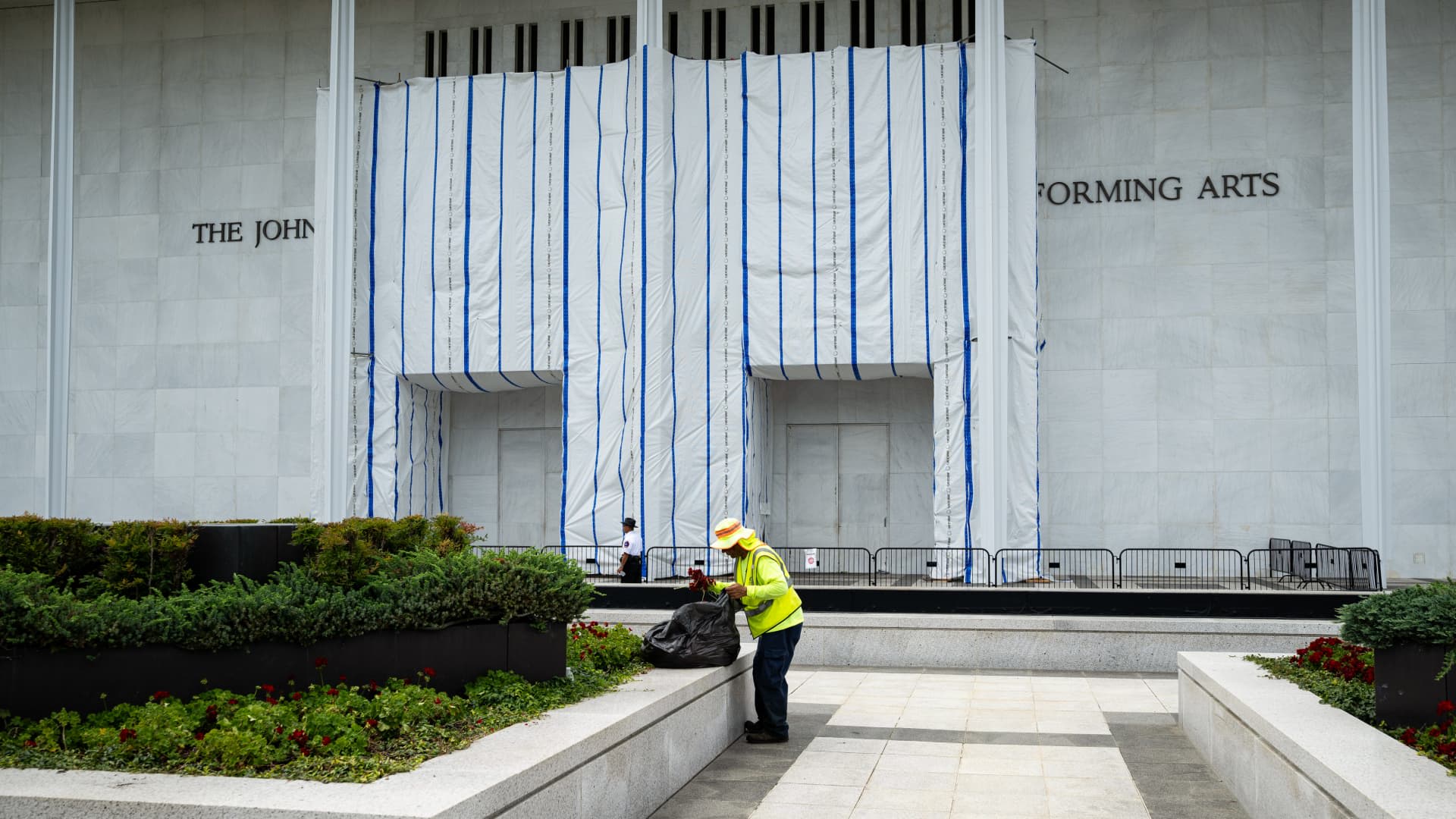
A federal judge has blocked the Kennedy Center board from renaming its campus or inscribing President Trump's name on its buildings. The ruling reinforces a previous mandate requiring the removal of the President's name due to legal violations.
Legal Standoff at the Kennedy Center
In a significant legal development, U.S. District Judge Christopher Cooper has issued a firm ruling blocking the board of the John F. Kennedy Center for the Performing Arts from inscribing President Donald Trump’s name onto the facility’s main building. This decision serves as a direct follow-up to a legal battle that began earlier this year, centered on the board's attempts to honor the President for his role in recent renovations by attaching his name to the iconic Washington, D.C. cultural institution.
The Legal Precedent and Prior Rulings
The current judicial intervention follows a notable ruling from May, in which Judge Cooper ordered the removal of President Trump’s name from the center’s official branding and facade. The board had originally added the name in December, but the court determined that such an action was in direct violation of established law. By reiterating this stance, the court has signaled that the executive actions taken by the board—which the President himself chairs—do not supersede the statutory regulations governing the naming rights of federal cultural properties.
Conflict of Interest and Governance
At the heart of this controversy is the unique governance structure of the Kennedy Center. Because the President serves as the chair of the board, the attempt to inscribe his name on the campus has raised significant questions regarding administrative overreach and the separation of personal legacy from public institution mandates. The judge’s latest order specifically identifies that renaming the grounds or adding the President’s name violates legal statutes, effectively halting the board’s renewed efforts to bypass the previous May court order.
Cultural Preservation and Public Law
The Kennedy Center stands as a memorial to President John F. Kennedy, and its naming conventions are protected under specific legislative frameworks designed to preserve that historical identity. Judge Cooper’s insistence that these statutes must be upheld highlights the judiciary's role in protecting public landmarks from being repurposed for political branding. The ongoing legal friction underscores the tension between the board’s desire to recognize the administration’s contributions to renovations and the legal constraints preventing the alteration of a federal memorial's title.
Implications for Future Institutional Integrity
This ruling establishes a clear boundary for how federal institutions manage their public identity. By blocking the board’s attempt to circumvent the earlier removal order, the court has effectively reinforced the principle that federal cultural institutions are subject to the rule of law regardless of the political standing of the board members. As the tarp remains on the facade of the Kennedy Center, the case serves as a definitive reminder of the limitations placed on governing boards when modifying the historical nomenclature of public-facing monuments.
Conclusion
The ongoing saga of the Kennedy Center’s naming rights illustrates a complex interplay between political influence and legal oversight. With Judge Cooper’s latest intervention, the board’s attempt to honor the President has been legally neutralized, ensuring that the facility retains its original designation. Moving forward, the institution must reconcile its renovation successes with the strict legal requirements that govern its public identity, as the court remains committed to preventing the unauthorized rebranding of this national landmark.