Watch: Garbage, sewage waste pile up on Mumbai’s Juhu Beach
Source Entity
The Indian Express
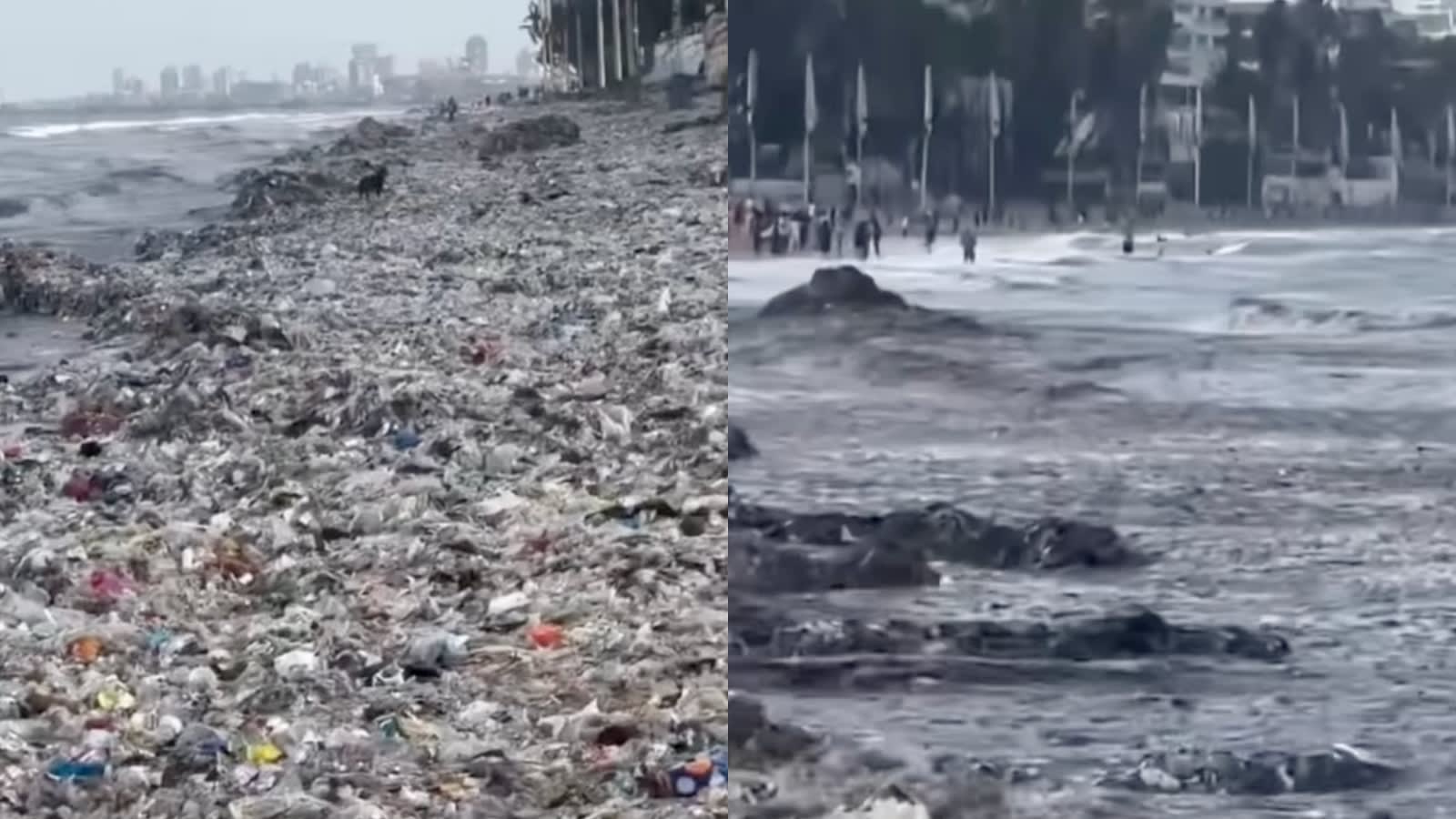
Juhu Beach ranked in the top 10 in Cloudwards' 2025 analysis of the 200 most-polluted beaches globally (Photo: @thecsrjournal/Instagram) Mumbai’s popular Juhu Beach was strewn with plastic and other ...
The Environmental Crisis at Juhu Beach: A Global Warning
Juhu Beach, one of Mumbai's most cherished landmarks and a primary hub for tourism and recreation, has recently come under intense scrutiny following a 2025 analysis by Cloudwards. The report ranks Juhu Beach among the top 10 most polluted beaches globally out of 200 analyzed locations. This ranking serves as a stark wake-up call, transforming a local waste management issue into a global environmental concern. The presence of sprawling piles of plastic and untreated sewage waste on the shoreline indicates a systemic failure in urban sanitation and environmental preservation.
The Root Causes: Plastic Proliferation and Sewage Leaks
The pollution at Juhu Beach is not a result of a single failure but a combination of urban mismanagement and consumer behavior. The visible plastic waste is largely driven by the high volume of daily visitors and the prevalence of single-use plastics in the local street food culture that thrives along the coast. Beyond the surface-level litter, the more insidious threat is the sewage waste. Mumbai's aging drainage infrastructure often leaks untreated wastewater directly into the Arabian Sea, exacerbated by the city's dense population and the overflow of storm-water drains during monsoon seasons. This convergence of solid plastic waste and liquid chemical waste creates a toxic cocktail that degrades the coastline.
Ecological and Public Health Implications
The environmental degradation of Juhu Beach extends far beyond aesthetics. The accumulation of sewage waste introduces harmful pathogens and nitrates into the marine ecosystem, leading to eutrophication and oxygen depletion in the water, which threatens local fish populations and marine biodiversity. For the thousands of citizens who visit the beach daily, the health risks are immediate. Contact with sewage-contaminated water increases the likelihood of skin infections and gastrointestinal illnesses. Furthermore, the microplastics resulting from the breakdown of larger debris enter the marine food chain, eventually impacting human health through the consumption of seafood.
Historical Context and Failed Interventions
This crisis is not a new phenomenon, but rather the culmination of decades of neglect. Over the years, various civic bodies and NGOs have launched 'beach cleanup' drives, yet these interventions have historically been superficial. While removing surface-level trash provides temporary relief, these efforts fail to address the source of the pollution—namely, the lack of comprehensive sewage treatment plants (STPs) and the inefficiency of waste collection systems in the surrounding slums and commercial zones. The Cloudwards 2025 ranking highlights that without a structural shift from 'cleanup' to 'prevention,' the beach will continue to deteriorate despite periodic efforts.
Broader Urban Implications for Mumbai
The state of Juhu Beach reflects the broader struggle of Mumbai to balance rapid urbanization with ecological sustainability. As one of the world's most densely populated cities, Mumbai's pressure on natural resources is immense. The pollution at Juhu is a symptom of a wider urban planning failure where the growth of the city has far outpaced the development of its waste processing infrastructure. This situation puts Mumbai's reputation as a global financial hub at risk, as environmental degradation impacts the quality of life for its residents and the appeal of its coastline for international visitors.
Future Outlook and Necessary Reforms
To reverse this trend and remove Juhu Beach from the global 'most polluted' lists, a multi-pronged strategy is required. First, the municipal corporation must prioritize the completion and upgrading of sewage treatment facilities to ensure that no untreated waste reaches the coast. Second, there must be a stringent enforcement of plastic bans, coupled with the provision of sustainable alternatives for vendors. Finally, integrating community-led monitoring systems could ensure that pollution is managed in real-time. If these steps are not taken, Juhu Beach risks becoming a permanent ecological dead zone, serving as a cautionary tale of urban environmental collapse.
Summary
The ranking of Juhu Beach in the top 10 most polluted beaches globally by Cloudwards is a critical indicator of Mumbai's environmental challenges. The intersection of plastic waste and sewage leaks creates a severe threat to both public health and marine ecology. Only through systemic infrastructure upgrades and strict policy enforcement can the city hope to restore its coastline to a healthy and sustainable state.