Utah moves to dismiss criminal charges against Kalshi after trading halt
Source Entity
Cointelegraph by Nate Kostar
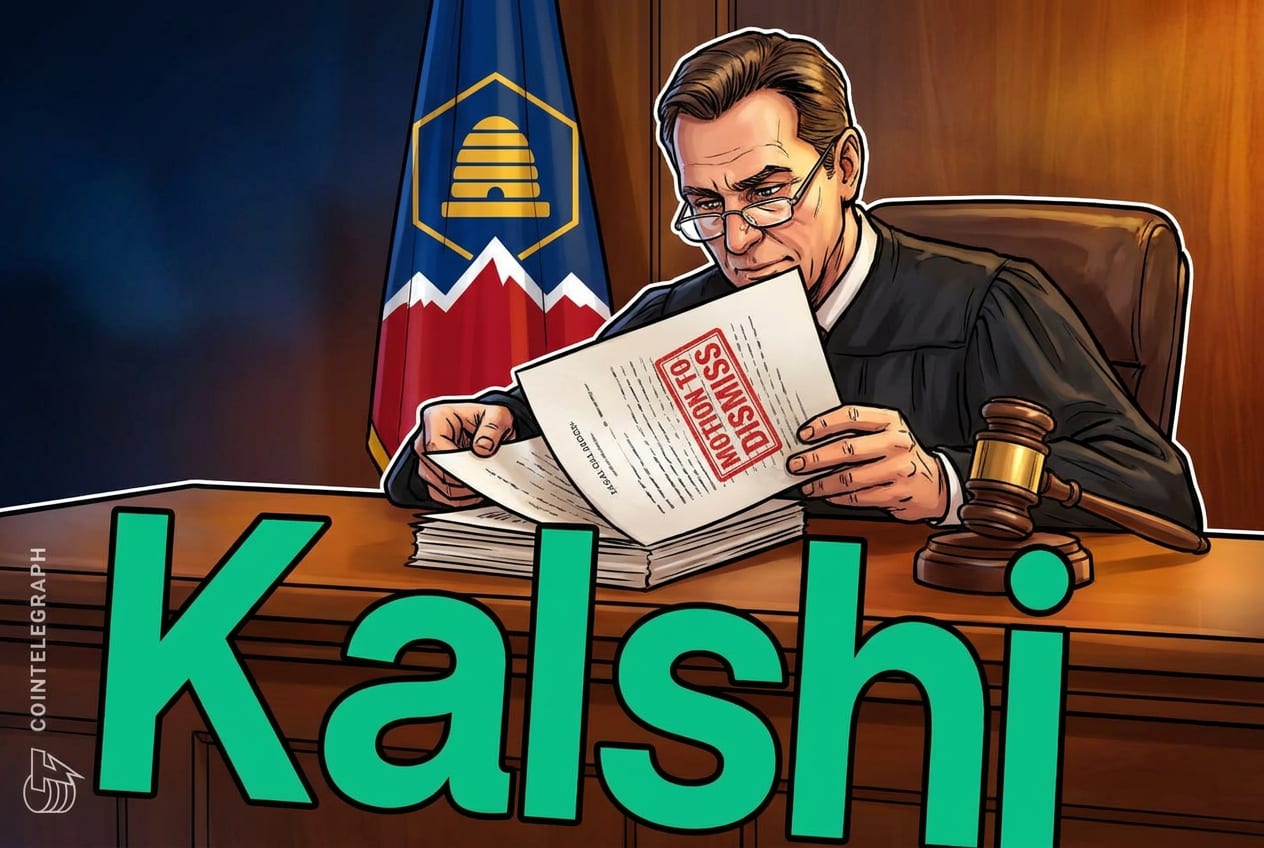
Kalshi has suspended its operations in Utah following unsuccessful legal attempts to block state enforcement actions. In response to this withdrawal, the Utah Attorney General's office moved to dismiss criminal charges against the company, with the caveat that they may be refiled if services resume.
The Legal Clash Over Prediction Markets in Utah
The decision by Kalshi, a prominent prediction market platform, to halt operations in Utah marks a significant turning point in the ongoing jurisdictional battle between state regulators and emerging financial technology firms. After facing mounting legal pressure and unsuccessful attempts to secure federal intervention, the company opted for a strategic withdrawal. This move follows a series of failed court maneuvers where Kalshi sought to block Utah’s enforcement actions, which were rooted in the state's strict anti-gambling statutes.
The Jurisdictional Tug-of-War
At the heart of this dispute is the fundamental question of whether prediction markets function as regulated financial derivatives or as prohibited forms of gambling. Kalshi’s legal team, supported by an emergency motion from the Commodity Futures Trading Commission (CFTC), argued that federal oversight should supersede state-level restrictions. The CFTC’s involvement highlights a broader tension in the fintech industry: federal regulators often view these platforms as legitimate futures markets, while state authorities, such as those in Utah, categorize them as unauthorized betting operations.
The Failure of Federal Preemption
Kalshi’s inability to secure a stay from the federal appeals court served as a critical inflection point. Despite the CFTC’s assertion of exclusive jurisdiction, the federal district court declined to grant the emergency motion to halt Utah’s enforcement actions. This outcome underscores the limitations of federal preemption when states invoke police powers to protect residents from what they deem to be illegal gambling. The ruling suggests that, for now, state-level regulatory frameworks retain significant authority over the accessibility of digital trading platforms within their borders.
Criminal Charges and the Path to Dismissal
Following Kalshi’s decision to block Utah-based users and restrict access via IP monitoring, the Utah Attorney General’s office moved to dismiss the 14 criminal charges previously filed against the company and its co-founders. This dismissal was filed 'without prejudice,' a legal nuance that provides the state the flexibility to reinstate the criminal case should the company attempt to re-enter the market. This tactical concession by the state highlights that the primary objective of the litigation was to ensure compliance and market exclusion rather than pursuing punitive measures while the platform remains inactive.
Broader Implications for Prediction Markets
This case serves as a cautionary tale for the prediction market sector. As these platforms grow in popularity—often facilitating bets on political outcomes and economic indicators—they will likely face increased scrutiny from states with restrictive gambling laws. The Kalshi case demonstrates that even with federal regulatory support, the path to nationwide operation is fraught with localized legal hurdles. Companies in this space must navigate a patchwork of state regulations, balancing the desire for rapid expansion with the necessity of legal compliance.
Future Trends and Regulatory Outlook
Looking ahead, the resolution of this specific conflict may influence how other prediction markets approach state-by-state entry strategies. We can expect to see more robust geofencing and compliance-first approaches as firms seek to avoid the aggressive criminal litigation seen in Utah. Furthermore, the ongoing debate over whether these platforms constitute gambling or finance will continue to play out in courts, likely requiring clearer guidance from federal authorities to resolve the overlapping mandates that currently define the industry’s regulatory landscape.