Karnataka land denotification case: 2 ex-IAS officers depose against then CM Kumaraswamy
Source Entity
Johnson TA
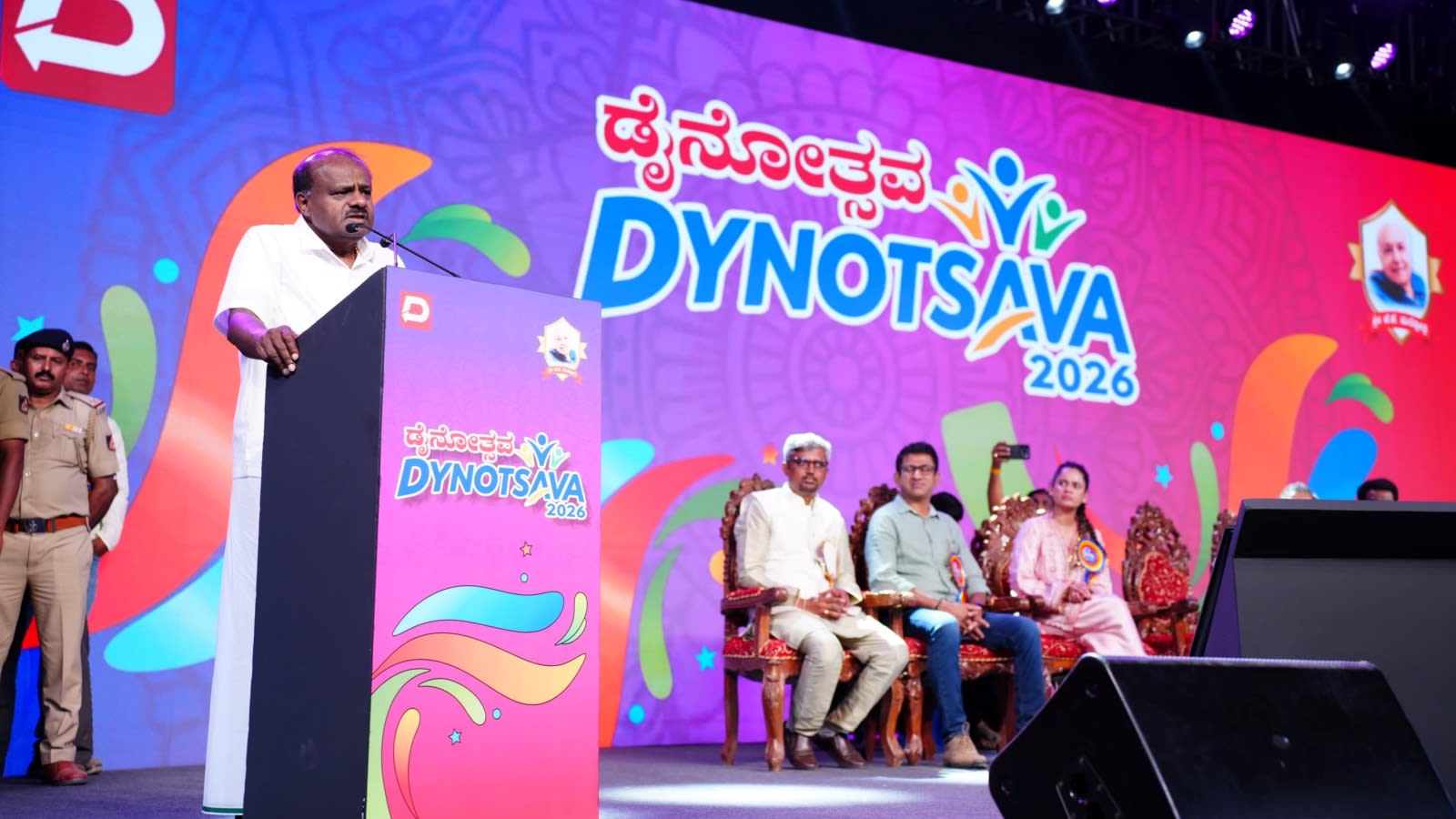
Two retired IAS officers have testified in a long-standing corruption case involving Union Minister H.D. Kumaraswamy. The case centers on the alleged illegal denotification of government land during his tenure as Karnataka Chief Minister in 2007.
The Karnataka Land Denotification Case: A Judicial Retrospective
The Legal Proceedings Unfold
Fourteen years post-retirement, two former additional chief secretaries of Karnataka have stepped into the spotlight, deposing before a special court in Bengaluru. Their testimony marks a significant development in a nearly two-decade-old legal battle concerning the alleged denotification of 2.24 acres of government land. The case centers on actions taken by the JD(S)-BJP coalition government during the tenure of former Chief Minister H.D. Kumaraswamy.
Historical Context and Governance
H.D. Kumaraswamy’s political career has been defined by two distinct terms as the Chief Minister of Karnataka, first from February 2006 to October 2007, and later from May 2018 to July 2019. The accusations in question stem from the final week of his first administration, specifically October 1, 2007. This period was marked by political volatility, and the timing of the land deal—occurring just days before his resignation—has remained a focal point of investigative scrutiny for years.
The Role of Bureaucratic Dissent
A critical component of this case is the involvement of senior IAS officers who reportedly raised formal objections to the denotification process at the time. The recent depositions by former additional chief secretaries serve to formalize these historical concerns within the judicial record. This highlights the vital, albeit often contentious, role that the administrative bureaucracy plays in checking executive power, especially when land management and private interests intersect with government policy.
Broader Implications for Accountability
The fact that this case remains active after nearly twenty years underscores the slow, often arduous nature of the Indian judicial system regarding high-profile corruption cases. The involvement of a current Union Minister, H.D. Kumaraswamy, who now serves in the Ministry of Heavy Industries, elevates the national significance of these proceedings. It raises fundamental questions about political accountability and the long-term legal risks associated with administrative decisions made under the pressure of coalition governance.
Future Trends and Judicial Expectations
As the special court for elected representatives continues to process this evidence, the outcome will likely serve as a litmus test for how courts handle legacy corruption cases involving high-ranking officials. The progression of these depositions suggests a move toward a definitive verdict, which could have lasting impacts on the political landscape of Karnataka. Moving forward, observers will be watching to see how the court balances the historical evidence of bureaucratic dissent against the defense’s interpretation of executive authority during the 2007 denotification process.