Milk price in Karnataka may go up by ₹8, but only after Legislative Council polls
Source Entity
India Latest News: Top National Headlines Today & Breaking News | The Hindu
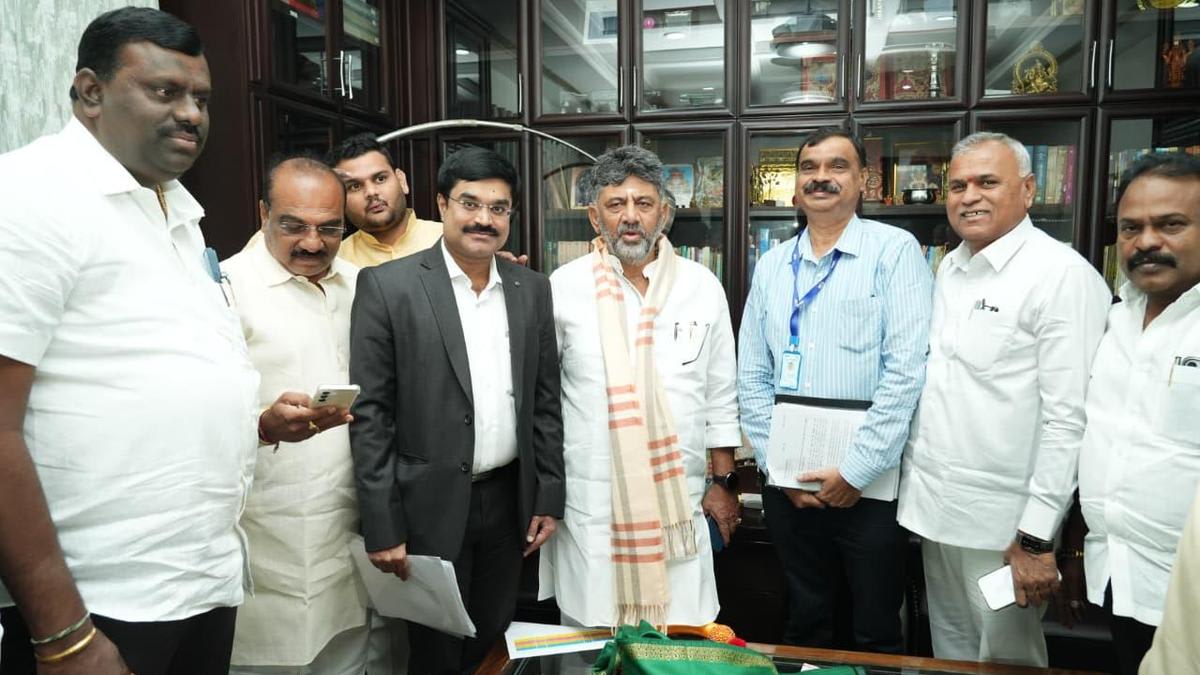
The Karnataka government is considering an ₹8 per litre hike for Nandini milk following pressure from farmers. Implementation is currently delayed by the Model Code of Conduct linked to ongoing Legislative Council elections.
Potential Price Surge for Karnataka’s Nandini Milk
The Karnataka government is currently evaluating a significant proposal to increase the retail price of Nandini milk, produced by the Karnataka Milk Federation (KMF), by ₹8 per litre. This potential adjustment comes in response to mounting pressure from district milk unions and dairy farmers who are grappling with the economic fallout of recent drought conditions in the state. The move is viewed as a necessary intervention to stabilize the rural agricultural economy, which relies heavily on dairy procurement prices.
The Impact of Drought on Dairy Economics
Dairy farming remains the backbone of the rural economy in Karnataka, providing a consistent income stream for smallholder farmers. However, prolonged drought conditions have severely impacted fodder availability and cattle health, leading to increased operational costs for producers. By demanding an increase in procurement prices, farmers are seeking a buffer against these rising overheads. The government's consideration of an ₹8 hike reflects the necessity of balancing farmer welfare with the fiscal sustainability of the state-run milk federation.
Electoral Hurdles and the Model Code of Conduct
While the State Cabinet has deliberated on the proposal, the implementation is currently stalled due to the Model Code of Conduct (MCC). With Legislative Council elections underway, the Election Commission’s guidelines prohibit the announcement or implementation of major policy shifts that could be perceived as influencing voters. Consequently, while the cabinet has acknowledged the necessity of the price adjustment, any formal rollout must wait until the electoral process concludes, ensuring compliance with democratic protocols.
Political and Administrative Dynamics
Chief Minister D.K. Shivakumar has been at the center of these negotiations, having engaged directly with district milk union representatives to understand the gravity of the situation. The deliberation within the cabinet highlights the political sensitivity of raising prices for essential commodities, which directly impacts household budgets across the state. The administration is tasked with the delicate challenge of maintaining the affordability of a staple product while ensuring the KMF remains financially viable enough to support its vast network of suppliers.
Broader Implications for State Transport and Infrastructure
In addition to the milk price discussions, the State Cabinet has also reviewed proposals for fare revisions within state-owned road transport corporations. This suggests a broader administrative effort to recalibrate the pricing of essential public services in the face of inflation and operational cost increases. The government's approach indicates a trend of addressing long-standing fiscal requests that were previously deferred, signaling potential post-election adjustments across multiple sectors in Karnataka.
Future Outlook
Looking ahead, the post-election period will be critical for the Karnataka government as it navigates the implementation of these price hikes. Should the ₹8 increase be enacted, it will serve as a test of consumer resilience in the face of rising costs of living. Policymakers will likely need to monitor the inflationary impact closely to ensure that the primary objective—supporting the farming community—does not disproportionately burden the urban and rural consumer base, maintaining a fragile balance between agricultural support and public affordability.
Verification Required?