101 petrol pumps penalised in Karnataka over fuel dispensing errors
Source Entity
Akram M
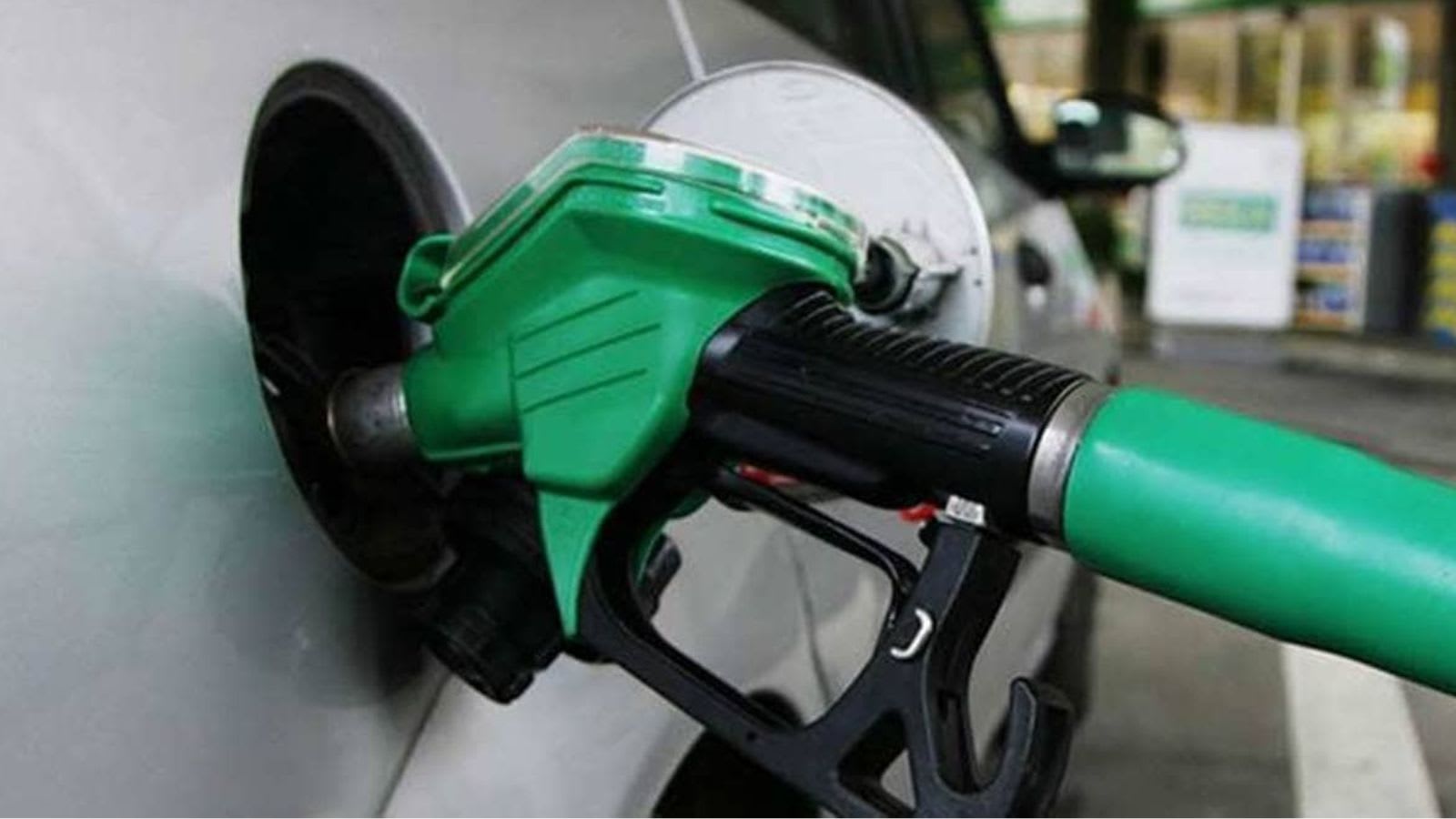
Authorities in Karnataka discovered that 85% of fuel nozzles tested at 805 petrol stations were defective, leading to significant consumer losses. Consequently, 101 stations have been penalized for exceeding legal fuel dispensation error limits.
Widespread Fuel Dispensation Irregularities in Karnataka
Recent inspections across Karnataka have unveiled a systemic issue regarding fuel measurement accuracy at petrol stations. Out of 805 stations subjected to rigorous checks, 101 were found to be dispensing fuel with errors exceeding the legal permissible limits. This investigation, spearheaded by the Department of Food, Civil Supplies, and Consumer Affairs, has highlighted a significant gap between regulatory expectations and the operational reality at fuel bunks.
The Scope of the Defect
The scale of the discrepancy is alarming, with 85.2% of the 3,071 fuel dispensing nozzles tested showing defects. These stations were specifically targeted for inspection because they had undergone recalibration within the last year, suggesting that the issue is not merely one of aging equipment but potentially one of maintenance or deliberate tampering. The discovery that 2,618 nozzles were reporting issues indicates a widespread failure to maintain calibration standards, directly impacting the financial interests of consumers who are receiving less fuel than they are paying for.
Regulatory Context and Compliance
The inspection exercise comes at a critical juncture, as the Union government moves to shift the mandatory recalibration cycle for legal metrology from 12 months to 24 months. This policy shift makes the current findings particularly concerning. If such high failure rates exist among pumps calibrated within the last 12 months, extending the mandatory inspection interval could potentially exacerbate the risk of consumer exploitation unless oversight mechanisms are significantly strengthened.
Enforcement and Penalties
In response to these findings, the state government has taken decisive action, registering cases against the 101 offending petrol pumps and levying fines totaling Rs 6.66 lakh. Minister Rizwan Arshad emphasized that these inspections were prompted by a surge in direct consumer complaints, which served as the catalyst for the eight-day intensive verification drive. This indicates a reactive regulatory environment where consumer feedback is essential for identifying non-compliant operators.
Broader Economic Implications
The economic impact of these errors is cumulative and significant. When dispensing errors exceed the permissible limit of 25 ml per 5 litres (or 50 ml per 10 litres), consumers are effectively paying a hidden surcharge on every liter of fuel purchased. In a market where fuel prices are high, these minor discrepancies, when scaled across thousands of transactions, represent a substantial transfer of wealth from the public to non-compliant service providers.
Future Outlook and Policy Trends
Moving forward, the Karnataka government has committed to continuing these inspections to ensure market transparency. The success of this drive suggests that the Department of Legal Metrology may need to adopt a more frequent, risk-based inspection model rather than relying on the proposed 24-month cycle. As the industry evolves, the integration of digital, tamper-proof calibration monitoring may be the only long-term solution to ensure that fuel dispensing remains accurate and that consumer trust in the retail fuel sector is restored.