Costco rations Kirkland motor oil, raises price to $57.99
Source Entity
Yahoo Finance
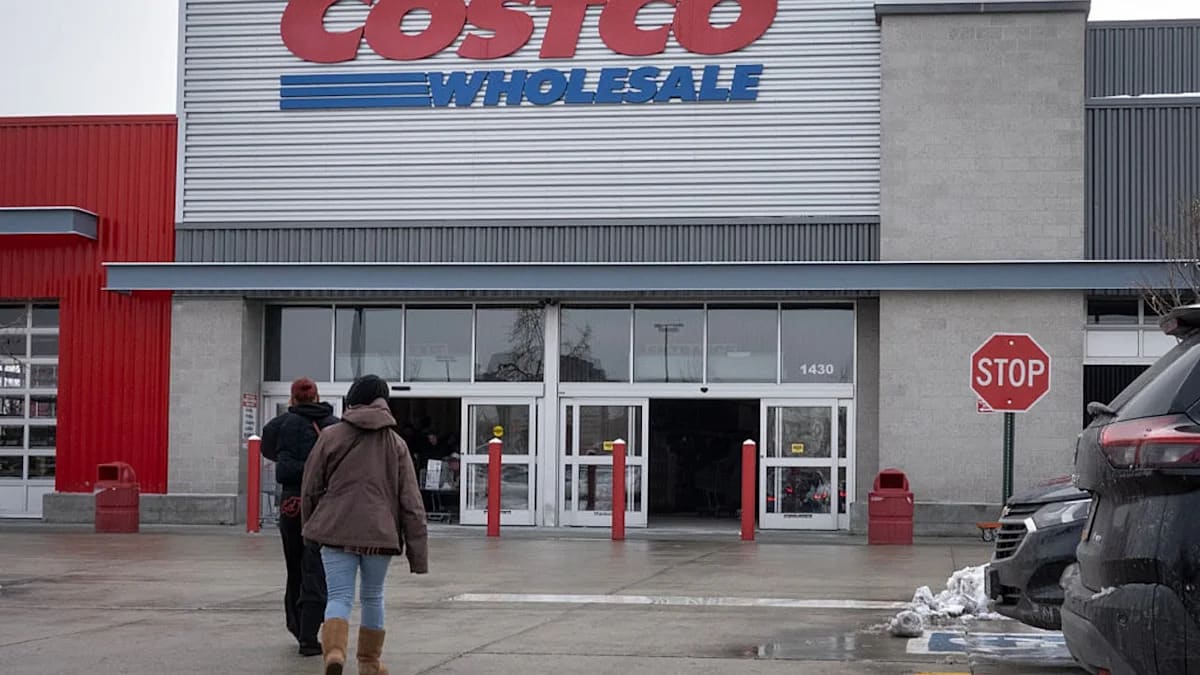
Costco has implemented purchase limits and significant price hikes on its Kirkland Signature motor oil. These changes are driven by a global lubricant shortage exacerbated by rising crude oil prices linked to Middle East instability.
The Impact of Global Instability on Automotive Maintenance
Costco, a retailer typically known for stable pricing and bulk availability, has made the notable decision to ration its Kirkland Signature full-synthetic motor oil. This shift, which involves both a price hike to $57.99 for a 10-quart case and a strict purchase limit of two units per member per week, underscores a significant disruption in the automotive supply chain. The sudden jump from the historical price point of roughly $30 reflects the volatile nature of the current global commodities market.
The Crude Oil Connection
At the heart of this issue is the shared origin of gasoline and base oil. As the ongoing Middle East conflict places upward pressure on crude oil prices, pushing them toward the $100-per-barrel threshold, the cost of refining processes is surging. Because base oil is a primary component of synthetic lubricants, any volatility in the crude market directly translates to higher production costs for motor oil manufacturers. This linkage demonstrates how geopolitical instability in oil-producing regions creates a ripple effect that eventually reaches the consumer in the form of higher maintenance costs for their vehicles.
Supply Chain Constraints and Rationing
Beyond mere price inflation, the global lubricant shortage has necessitated inventory control measures. By capping Kirkland Signature oil at two units per member and limiting Mobil 1 to five units per member, Costco is attempting to prevent panic buying and ensure broader product availability for its membership base. This move is emblematic of a broader trend where retailers must manage scarce resources during periods of geopolitical uncertainty, moving away from the 'unlimited supply' model that characterizes typical warehouse operations.
Economic Implications for Consumers
The price increase for a standard 10-quart case—essential for maintaining vehicles with V6 or V8 engines—represents a substantial increase in the cost of routine vehicle maintenance. For the average consumer, this is yet another indicator of inflationary pressures tied to energy costs. As the price of essential maintenance items rises, households may be forced to delay vehicle service, which could have long-term implications for vehicle longevity and safety on the road.
Future Trends and Market Outlook
Looking ahead, the market for automotive lubricants will likely remain tethered to the stability of the Middle East and the resulting crude oil pricing. If crude prices continue to hover near $100 per barrel, consumers should expect continued price volatility and potentially extended rationing measures. Retailers will likely continue to monitor inventory levels closely, prioritizing the preservation of stock over the convenience of unlimited bulk purchasing until the supply chain stabilizes and base oil production catches up with demand.