American Airlines says 30% of seats drive half of revenue as premium cabin rush heats up
Source Entity
US Top News and Analysis
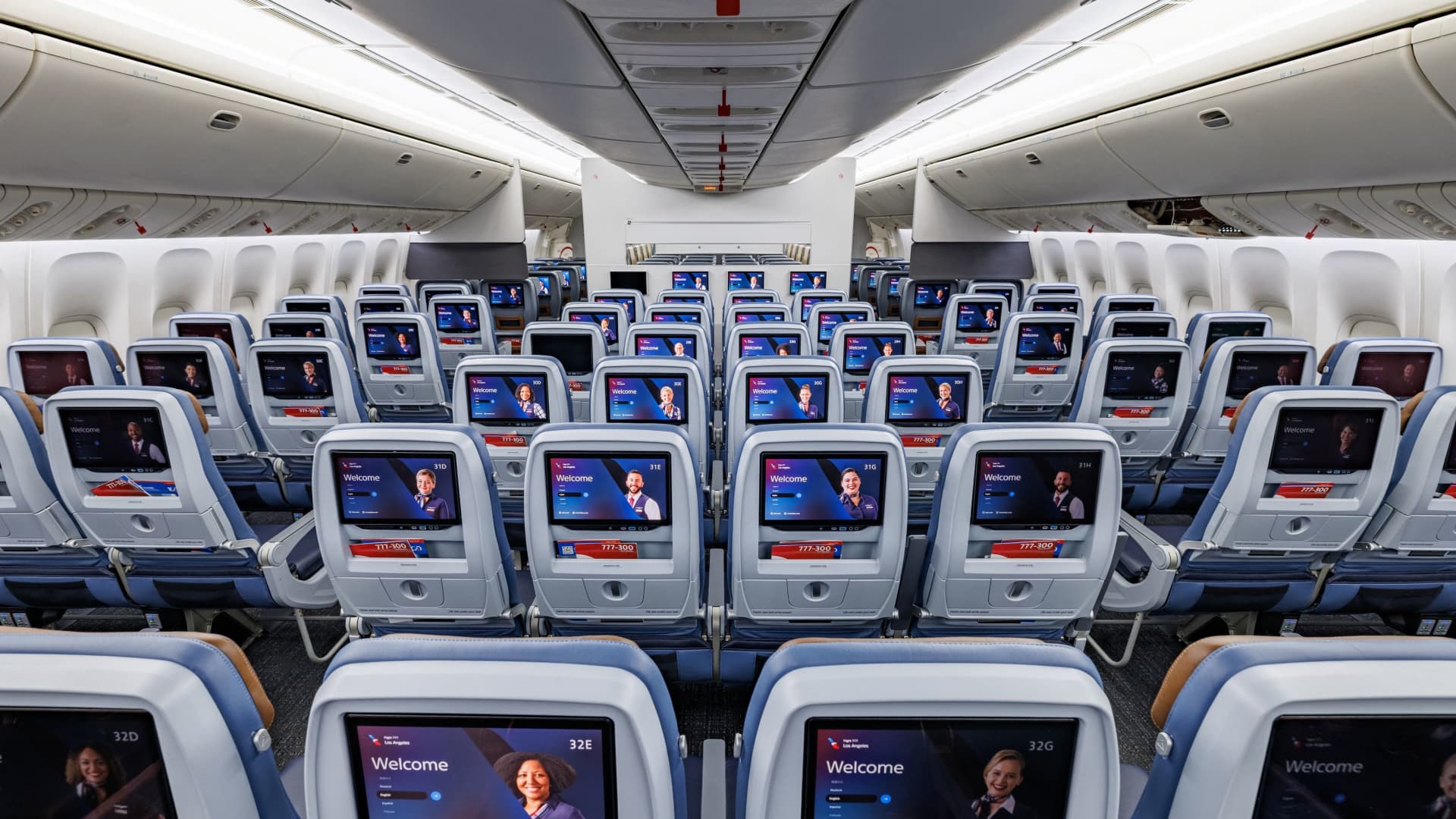
American Airlines is shifting its fleet strategy to prioritize premium seating, as 30% of its seats now generate 50% of total revenue. The carrier is actively reconfiguring aircraft to add more business and first-class options to meet growing demand.
The Strategic Pivot: Premium Seating Drives Airline Profitability
American Airlines has officially confirmed a significant shift in its operational strategy, revealing that a mere 30% of its total seat capacity currently generates half of the company's entire revenue stream. This disclosure, made by CEO Robert Isom at a Morgan Stanley industry conference, highlights a fundamental transformation in how major carriers perceive value and passenger segments in a post-pandemic travel landscape. By focusing resources on high-yielding premium cabins, the airline is effectively insulating its bottom line from the volatility often associated with economy-class pricing.
The K-Shaped Economy in Aviation
The phenomenon described as a "K-shaped economy" has manifested clearly within the aviation sector, where the disparity between luxury travel demand and budget-conscious flying continues to widen. As premium travelers demonstrate an increased willingness to pay for comfort and exclusivity, American Airlines is responding by retrofitting its fleet to accommodate this demographic. This trend is not merely an isolated case for the Fort Worth-based carrier; it represents a broader industry pivot where airlines are prioritizing the "premium cabin rush" to maximize profit margins per square foot of aircraft real estate.
Fleet Reconfiguration and Future Growth
To capitalize on this revenue trend, American Airlines is aggressively altering the physical configuration of its aircraft. CEO Robert Isom confirmed that the proportion of premium seats is set to rise, bolstered by both the retrofitting of existing planes—such as the Boeing 777-300ER—and the integration of new aircraft deliveries. The carrier's commitment to this strategy is further evidenced by the recent unveiling of a 70-suite business class cabin, a move designed to set a new standard for long-haul luxury and capture a larger share of the lucrative premium market.
Operational Implications and Competitive Dynamics
This "ripping up" of existing cabin layouts is a calculated risk that reflects the intense competition for high-value passengers. By dedicating more floor space to premium suites, airlines are betting that the revenue stability provided by these seats will outweigh the loss of traditional economy-class density. This shift forces competitors to evaluate their own cabin designs, likely sparking a race to offer superior amenities to attract the affluent traveler, thereby permanently altering the passenger experience on long-haul routes.
Conclusion: The New Standard for Long-Haul Travel
The move by American Airlines to prioritize premium seating underscores a long-term strategic evolution toward high-margin service models. As the airline continues to integrate more suites and premium options into its fleet, it is clear that the future of commercial aviation lies in catering to the top tier of the passenger base. This transition towards a premium-heavy model is expected to define the competitive landscape for years to come, signaling a departure from the volume-based strategies that previously dominated the industry.