Smarter spaces for a smarter workplace: How flexible workspaces are redefining modern offices
Source Entity
Latest News: Todays Latest News Headlines from India & World | Hindustan Times | Hindustan Times
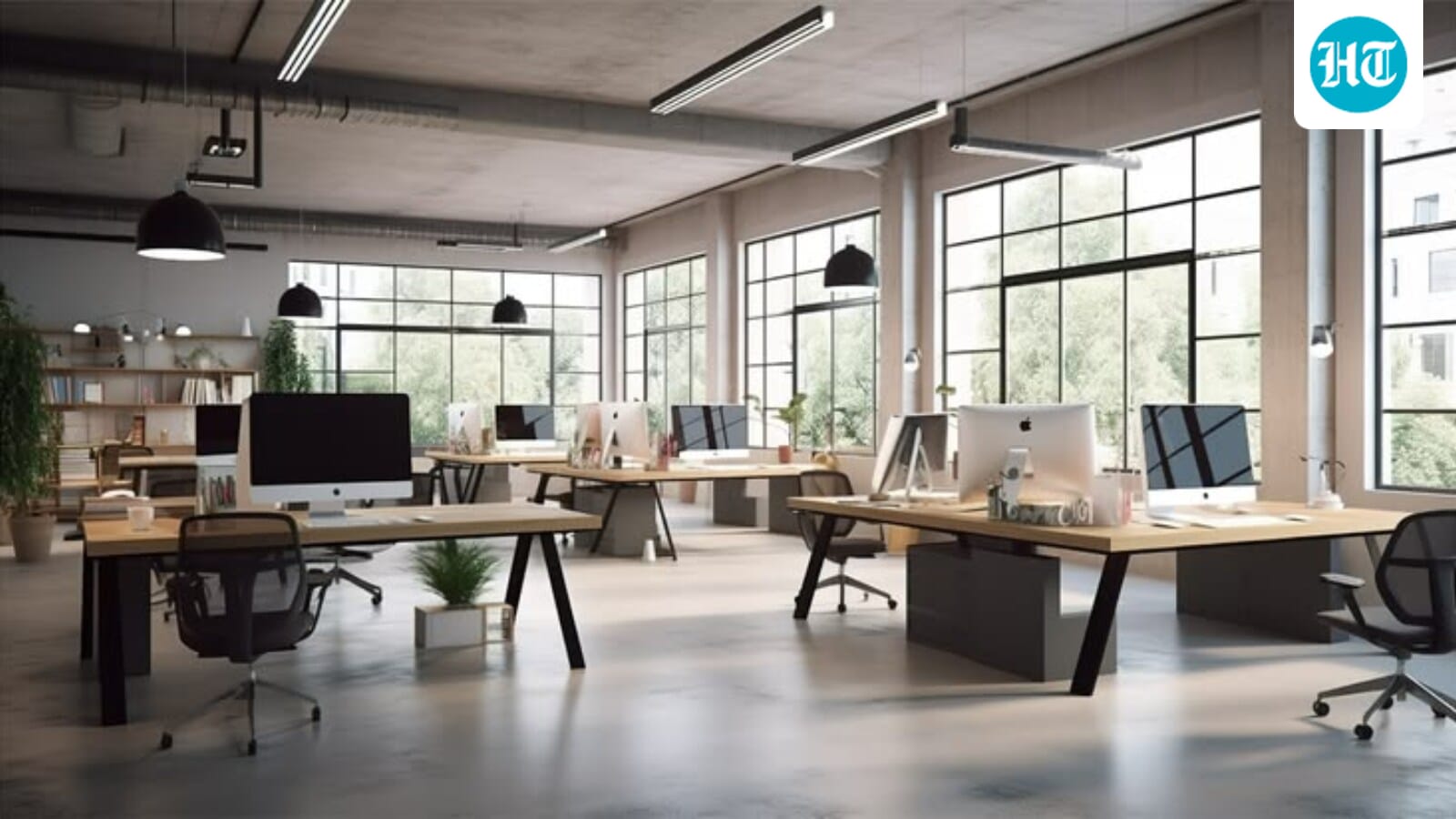
Modern workplace design is shifting toward flexible, adaptable layouts to boost employee productivity and comfort. Experts emphasize that smart office planning balances deep-focus zones with collaborative spaces to meet evolving work culture demands.
The Evolution of the Modern Workspace
The traditional office model, once defined by rigid cubicles and static seating arrangements, is undergoing a profound transformation. As noted by Ricky Wells, Global Head for Capital Development at The Executive Centre, the modern workplace is no longer just a physical location but a dynamic environment that must respond to the varied needs of its inhabitants. This shift toward flexibility is not merely an aesthetic choice but a strategic imperative designed to support the multifaceted nature of contemporary professional tasks.
The Necessity of Adaptability
At the core of this transition is the recognition that employees spend a significant portion of their waking hours in the office, necessitating environments that prioritize comfort and functional utility. Flexibility in this context extends beyond simple ergonomic furniture; it encompasses a holistic approach to spatial design. Adaptable furniture and modular layouts allow organizations to reconfigure their space quickly, ensuring that the office remains a tool for productivity rather than a stagnant background. By integrating space-efficient designs, companies can maximize their real estate footprint while simultaneously enhancing the user experience.
Balancing Focus and Collaboration
One of the most critical aspects of modern office planning is the tension between individual focus and collaborative engagement. Wells highlights that effective workspace design must accommodate both requirements by creating distinct zones. By strategically placing workstations in quieter, isolated areas, companies can mitigate the distractions inherent in open-plan offices, thereby fostering environments conducive to deep, individual work. Conversely, dedicated collaborative hubs encourage spontaneous interaction and team synergy, acknowledging that innovation often happens through conversation.
Implications for Corporate Culture
This shift in physical infrastructure is a direct reflection of changing work cultures that demand agility and autonomy. As businesses move away from rigid hierarchical structures, their offices must evolve to reflect this fluidity. A well-designed office acts as an organizational catalyst, signaling to employees that the company values both their need for concentration and their desire for social interaction. This dual focus is essential for retention and morale in a competitive global job market.
Future Trends in Spatial Design
Looking ahead, the trend toward smarter, more adaptable spaces is likely to accelerate. We can expect to see an increased reliance on technology that monitors space utilization, allowing for data-driven decisions regarding office configurations. As the boundary between home and office continues to blur, the physical workplace must offer unique value—such as superior focus zones and high-end collaborative tools—that cannot be replicated in a remote setting. Ultimately, the future of the workplace will be defined by its ability to remain as flexible and responsive as the people who occupy it.
Verification Required?