Kejriwal slams BJP for ‘blaming’ Punjab farmers for stubble burning, Delhi pollution
Source Entity
Latest News: Todays Latest News Headlines from India & World | Hindustan Times
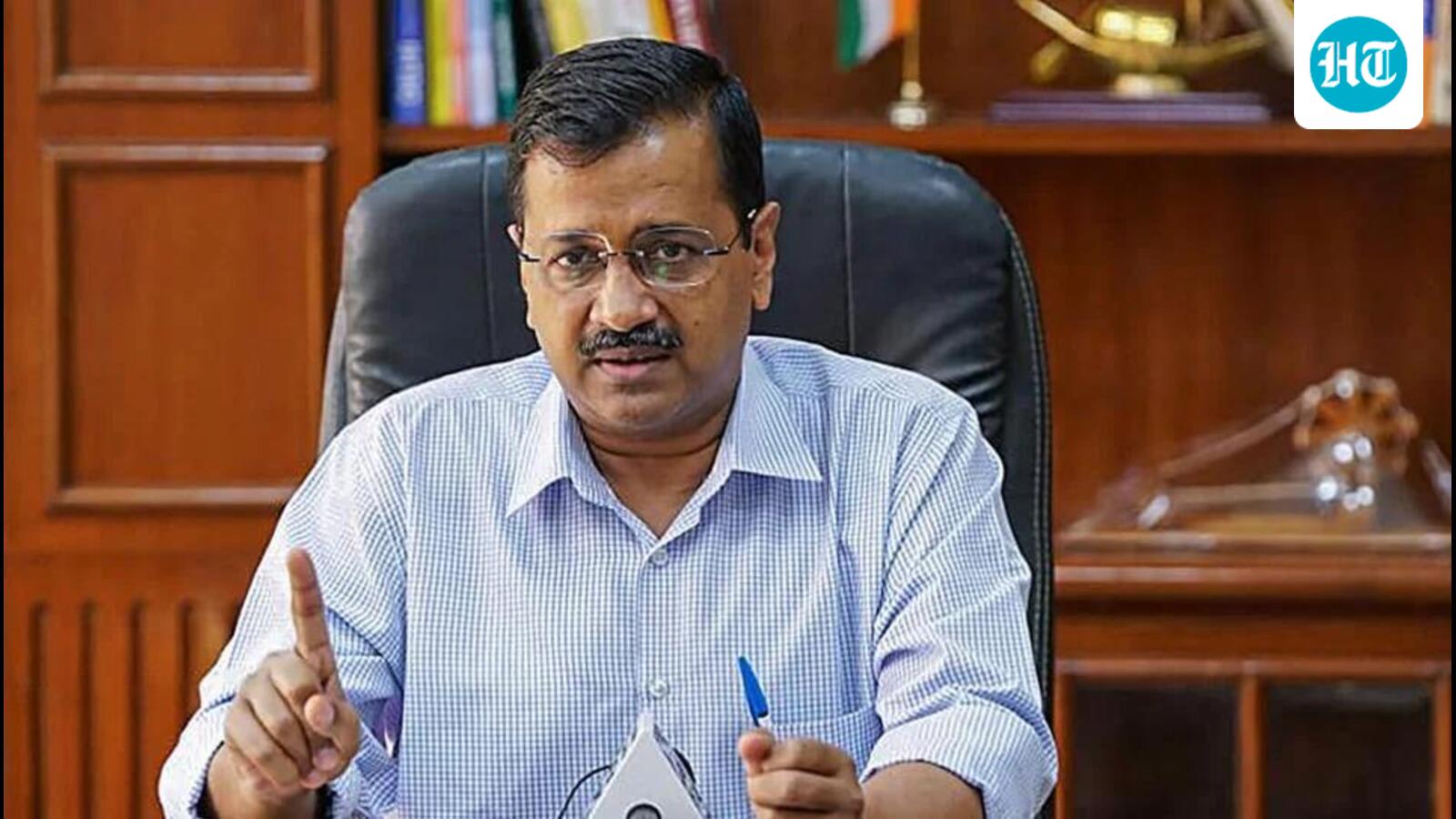
Arvind Kejriwal has accused the BJP of inconsistent messaging regarding Punjab farmers and stubble burning. He highlighted a contradiction between Union Minister Shivraj Singh Chouhan’s praise for farmers and the broader political rhetoric used by the BJP and Congress.
The Political Tug-of-War Over Delhi's Air Quality
Recent developments have brought the recurring crisis of Delhi’s winter air pollution back into the center of national political discourse. Aam Aadmi Party (AAP) national convener Arvind Kejriwal has launched a sharp critique against the Bharatiya Janata Party (BJP), accusing the party of engaging in 'dirty politics' by simultaneously acknowledging progress in Punjab’s agricultural management while maintaining a narrative that blames farmers for the capital's deteriorating air quality.
Contradictory Messaging from the Union Government
The core of this controversy lies in the remarks made by Union Minister Shivraj Singh Chouhan during his recent visit to Punjab. Chouhan publicly recognized the efforts of Punjab’s farmers in achieving a 'historic decrease' in farm fires and adopting better crop management practices. Kejriwal leveraged this acknowledgment to point out a glaring inconsistency: if a senior Union Minister recognizes the improvement in on-ground agricultural practices, the continued vilification of these same farmers by other political factions appears, in his view, to be a calculated political maneuver.
The Nexus of Political Blame-Games
Kejriwal’s accusations extend beyond the BJP, alleging that the party is acting in 'cahoots' with the Congress to scapegoat the farming community. By framing the issue as a strategic effort to malign the AAP-led government in Punjab, the former Delhi Chief Minister is attempting to shift the narrative from one of agricultural negligence to one of political victimization. This highlights the deep-seated polarization surrounding the stubble-burning issue, which has historically served as a flashpoint between the state government in Punjab and the central administration.
Historical Context and Environmental Policy
Stubble burning has long been a complex challenge at the intersection of environmental policy and agrarian economics. For years, the reliance on paddy straw burning has been linked to the lack of viable, cost-effective machinery and the short windows between harvest and the next sowing season. While the Union government and state authorities have periodically introduced subsidies for crop residue management, the political finger-pointing often overshadows the technical and economic difficulties faced by farmers on the ground.
Broader Implications for Air Quality Management
The implications of this political friction are significant for the residents of Delhi and the National Capital Region (NCR). When the debate is dominated by partisan accusations, the focus on collaborative, long-term solutions—such as diversifying crops, improving supply chain logistics for biomass energy, and scaling up technological interventions—often suffers. The reliance on rhetoric rather than sustained, non-partisan policy implementation risks stalling the progress needed to address the seasonal smog that plagues Northern India annually.
Future Trends and Political Outlook
Looking forward, this event underscores the likelihood that air quality will remain a potent political tool in upcoming electoral cycles. As long as the narrative remains centered on 'blame' rather than 'cooperation,' it is improbable that the structural issues surrounding stubble burning will be resolved. The AAP’s strategy appears to be one of reclaiming the moral high ground for the farmers, while the BJP and Congress continue to apply pressure regarding the impact of these fires on Delhi’s health crisis. Ultimately, the resolution of this conflict requires a shift toward depoliticizing environmental science and fostering a unified federal approach to agricultural reform.
Verification Required?