Keralam CM Satheesan faces questions by ministers over key calls
Source Entity
TNN
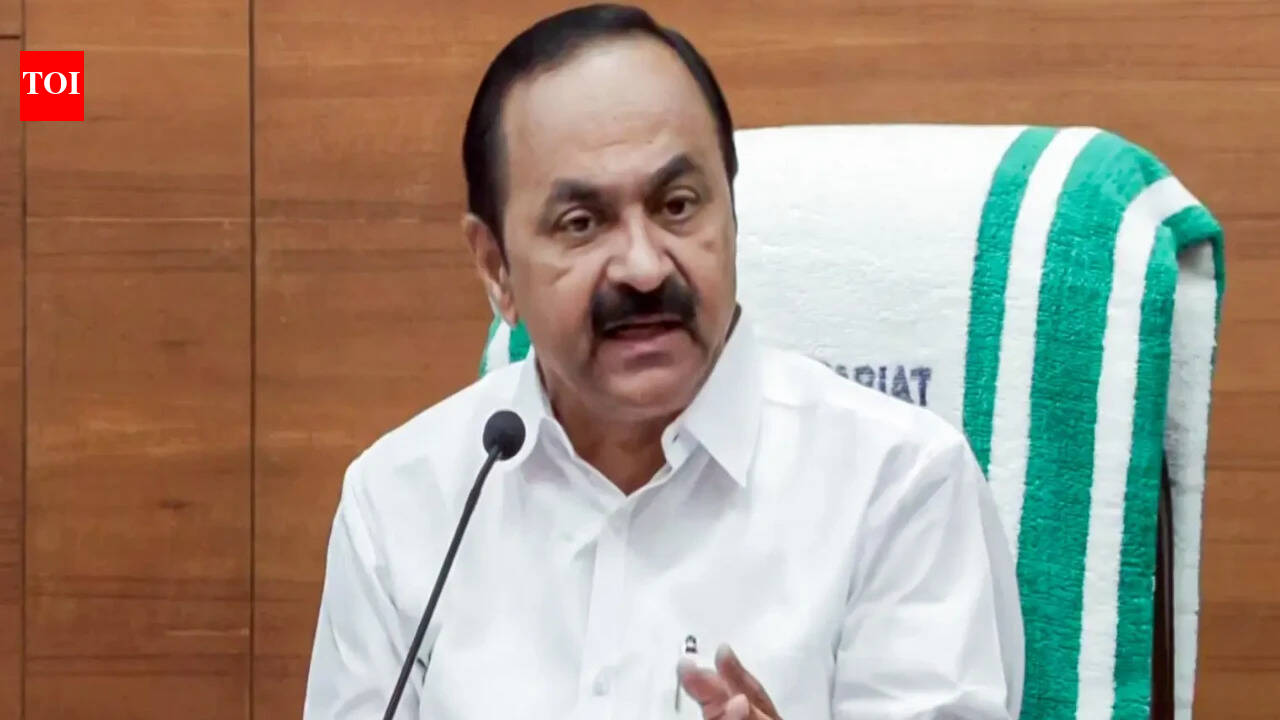
Kerala CM V.D. Satheesan acknowledged internal cabinet differences regarding key appointments to the PSC and Devaswom Board. He maintained that these debates are a functional part of the UDF government's democratic consensus-building process.
Navigating Cabinet Dissent in Kerala's UDF Government
Recent developments within the Kerala Cabinet have brought to light the complexities of coalition governance as Chief Minister V.D. Satheesan addressed public speculation regarding internal disagreements. During a recent cabinet meeting, which extended for over two-and-a-half hours, ministers raised pointed questions regarding key appointments to the State Public Service Commission (PSC) and the Guruvayur Devaswom Board. CM Satheesan, while acknowledging these friction points, framed them as an essential component of a healthy democratic process, contrasting his administration’s approach with that of previous regimes.
The Mechanics of Consensus
At the heart of the discourse is the process of decision-making within the United Democratic Front (UDF). Satheesan emphasized that the Cabinet does not operate through unilateral dictates. Instead, the administration actively engages in rigorous debate to reach a collective resolution. This admission of 'differences of opinion' serves as both a transparency measure and a strategic positioning, signaling to the electorate that the current government prioritizes deliberation over top-down management, even at the cost of public optics regarding internal unity.
Strategic Appointments and Coalition Dynamics
The cabinet successfully moved forward with the reorganization of the PSC, appointing five new members. The selection reflects the delicate balancing act required in a coalition, with four nominees—G. Gopakumar, Ramesh M. Thampy, Rosamma Philip, and R. Sanal Kumar—representing the Congress, and Shafi Chaliyam representing the Indian Union Muslim League. These appointments represent the tangible outcomes of the aforementioned lengthy deliberations, highlighting the necessity of satisfying diverse party interests to maintain coalition stability.
Political Implications and Comparisons
By explicitly contrasting his cabinet's culture with that of Pinarayi Vijayan's, Satheesan is attempting to define the UDF's governance style as inherently consultative. This rhetoric serves to mitigate concerns about the long-term viability of the government as it marks its six-month milestone. The dissent regarding the Guruvayur Devaswom Board and the PSC suggests that ministers are taking their oversight roles seriously, ensuring that key appointments align with the broader strategic goals of their respective parties.
Future Trends and Governance Stability
Moving forward, the ability of the UDF to manage these internal debates without allowing them to devolve into paralysis will be a defining metric of their term. While public dissent can be perceived as weakness, the CM’s insistence that every issue was resolved by the end of the meeting suggests a functional mechanism for conflict resolution. If the UDF can continue to channel these differences into constructive outcomes, it may solidify its reputation as a government that values diverse input, thereby potentially strengthening its mandate in the long run.