‘Can’t be homebreaker in broken house’: Komal Rani hits back at Sunita amid Govinda rumours
Source Entity
The Indian Express
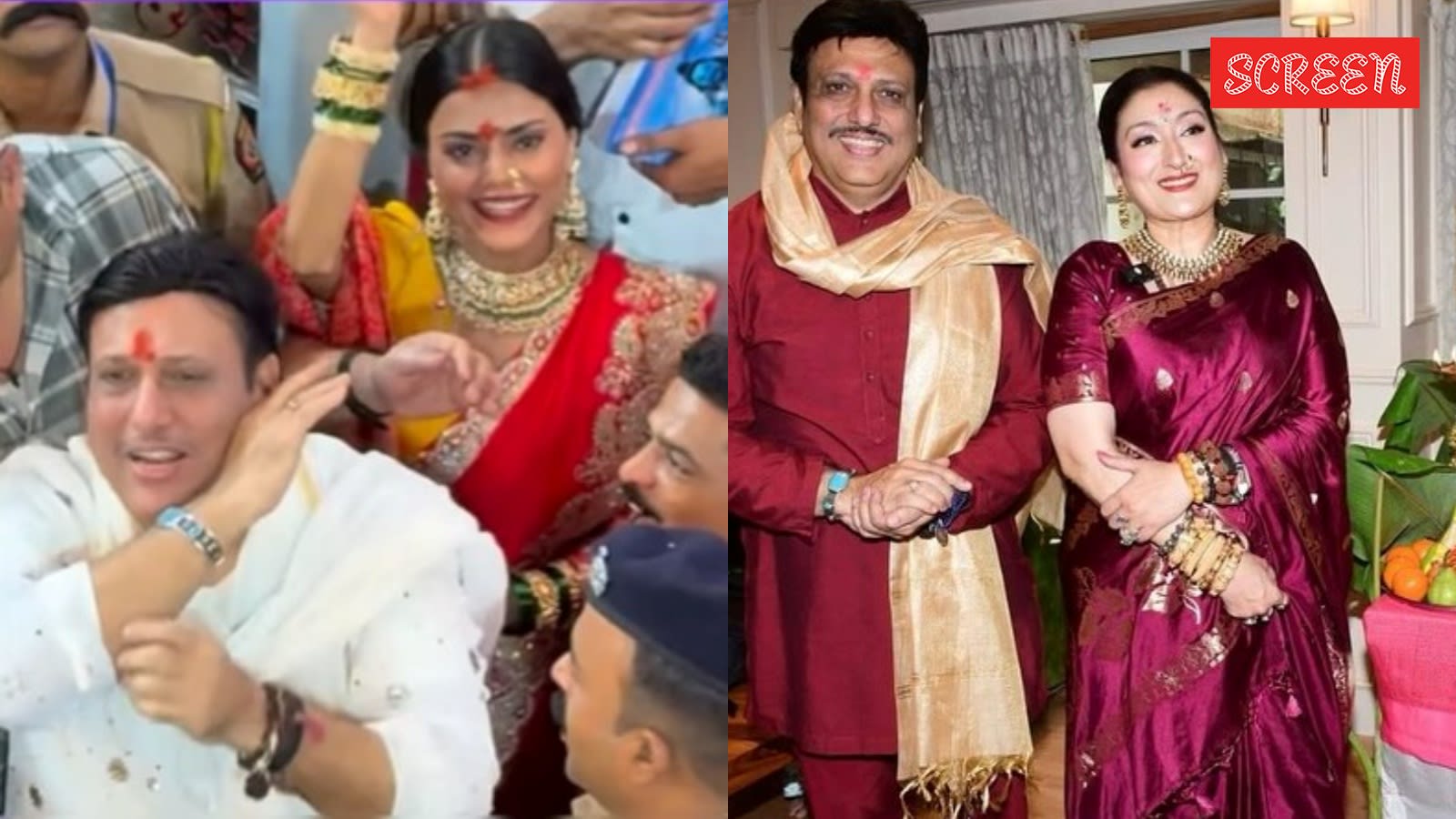
Actor Komal Rani Swarnkar has publicly denied involvement in Govinda's marital issues. She rejected claims of being a 'homebreaker' in response to public comments made by Govinda's wife, Sunita Ahuja.
The Intersection of Celebrity Privacy and Public Scrutiny
The recent public discourse surrounding actor Komal Rani Swarnkar and veteran Bollywood star Govinda highlights the volatile nature of celebrity reputation in the digital age. The controversy ignited following public remarks made by Sunita Ahuja, Govinda’s wife, regarding the sanctity of her marriage and a call for solidarity from women and the younger generation. This created a vacuum of speculation that quickly centered on Rani, leading to intense public and media scrutiny.
The Catalyst for Public Speculation
The speculation gained significant momentum following a public appearance where Govinda and Komal Rani Swarnkar were seen together at Mumbai’s renowned Lalbaugcha Raja. In the context of Indian celebrity culture, such public sightings are frequently analyzed by fans and media outlets for subtext. The association of these two figures at a high-profile public event served as the primary fuel for the rumors that eventually prompted Rani’s direct response.
Rani’s Defense: The 'Broken House' Narrative
Komal Rani Swarnkar’s response, delivered via Instagram Stories, utilized a potent metaphor to distance herself from the allegations. By stating that she cannot be a "homebreaker" in an "already broken house," she effectively shifted the focus of the narrative. This rhetorical move challenges the internal stability of the Ahuja-Govinda marriage rather than accepting the role of an external agitator, a strategy common in high-stakes public relations management when celebrities face reputational threats.
The Role of Social Media in Celebrity Narratives
This incident underscores how social media platforms have transformed the way celebrities manage personal crises. By bypassing traditional media outlets to issue a "strongly worded statement," Rani exercised direct control over her messaging. This allows individuals to address rumors in real-time, though it also invites immediate, often polarized, engagement from the public, which can further complicate the original issue.
Broader Implications for Industry Standards
The public nature of this dispute reflects a growing trend where private marital issues are aired in the public domain, forcing third parties—in this case, an actor—to defend their integrity. As the industry continues to navigate the pressures of constant visibility, the line between professional association and personal life remains increasingly blurred, often leading to rapid, speculative conclusions by the public.
Concluding Thoughts
Ultimately, the situation remains a case study in the power of digital communication to shape celebrity identity. While the rumors surrounding the relationship have been fueled by public sightings and social media commentary, Rani’s firm rebuttal serves as a reminder of the limits of public speculation. As the narrative continues to unfold, the focus remains on the intersection of personal boundaries and the intense public interest that defines the Indian entertainment landscape.