Amid push for UT body, why Ladakh groups are opposing local body polls
Source Entity
Naveed Iqbal
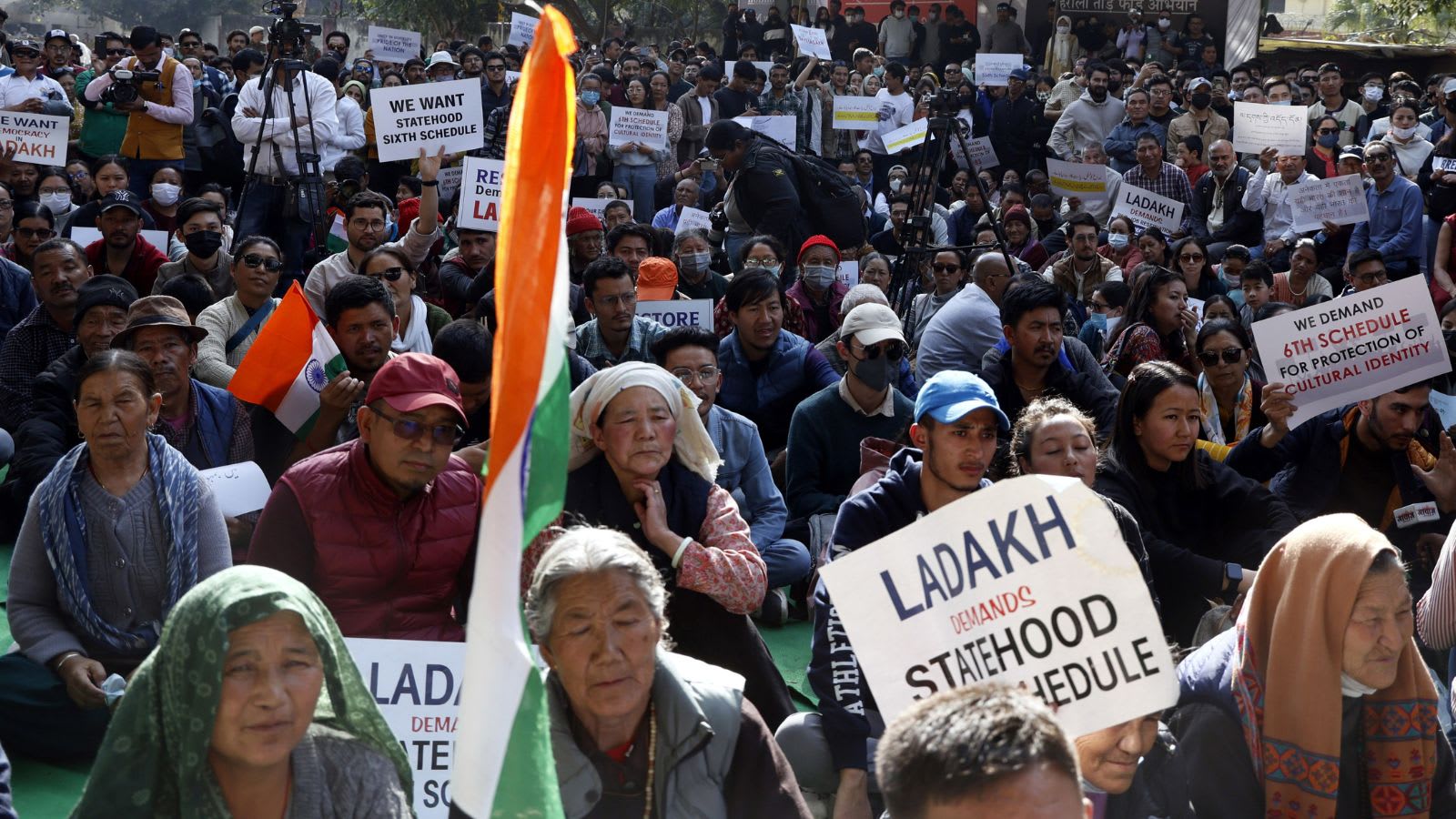
Ladakh groups are resisting local body elections, citing stalled negotiations with the Centre over constitutional safeguards. The standoff persists as stakeholders demand greater autonomy and protection for the region's unique identity.
The Standoff in Ladakh: Sovereignty vs. Administration
For over three years, a complex geopolitical and democratic dialogue has been unfolding between various Ladakh-based representative groups and the Indian Ministry of Home Affairs (MHA). At the heart of this tension is a fundamental disagreement regarding the region’s governance structure following its transition into a Union Territory. While the Centre has pushed for the immediate implementation of local body elections—specifically for panchayats, urban local bodies, and the Ladakh Autonomous Hill Development Councils (LAHDCs)—local stakeholders remain deeply skeptical.
The Quest for Constitutional Safeguards
The core demand of the Ladakhi groups is not merely administrative; it is existential. These groups are seeking robust constitutional safeguards to protect the region’s distinct culture, land rights, and economic opportunities. This push stems from a desire to ensure that the unique demographic and environmental character of Ladakh is not diluted or overwhelmed by external development pressures. Without these legal protections, local leaders argue that democratic representation remains hollow.
The 'Union Territory' Body Compromise
Negotiations have been characterized by a delicate, albeit stalled, back-and-forth. Reports indicate that an in-principle understanding was reached regarding the formation of a Union Territory-level elected body. However, the terminology remains a significant point of contention. The Centre has been careful to avoid labeling this entity an "Assembly," a distinction that implies a specific degree of legislative power and statehood status that the Centre is clearly hesitant to grant at this juncture.
Implications of Local Body Elections
The Ladakh administration's recent announcement to proceed with elections to the LAHDCs and local bodies has been met with significant resistance. For the local populace, these elections are viewed as a potential distraction or a premature step that bypasses the broader, more critical negotiations on constitutional status. There is a palpable fear that participating in these local polls without first securing the requested safeguards could weaken their bargaining position with the MHA.
Future Trends and Political Outlook
Looking forward, the situation in Ladakh represents a critical test case for the governance of Union Territories in India. The inability to bridge the gap between the Centre's desire for administrative normalcy and the local demand for constitutional protection suggests a prolonged period of political uncertainty. If the MHA continues to prioritize local elections over the substantive demands of the Ladakhi outfits, the region may witness further civil unrest or a complete breakdown in the communication channels that have been painstakingly built over the last three years.
Conclusion
In summary, the impasse in Ladakh is a reflection of the challenges inherent in balancing central administrative control with the regional aspirations for autonomy. As long as the fundamental questions regarding the protection of land and culture remain unresolved, the local body elections will likely remain a flashpoint for political contention rather than a tool for democratic empowerment.