Commander who would not leave: The battle that won Lt Col Tarapore the Param Vir Chakra
Source Entity
DHRUV YADAV
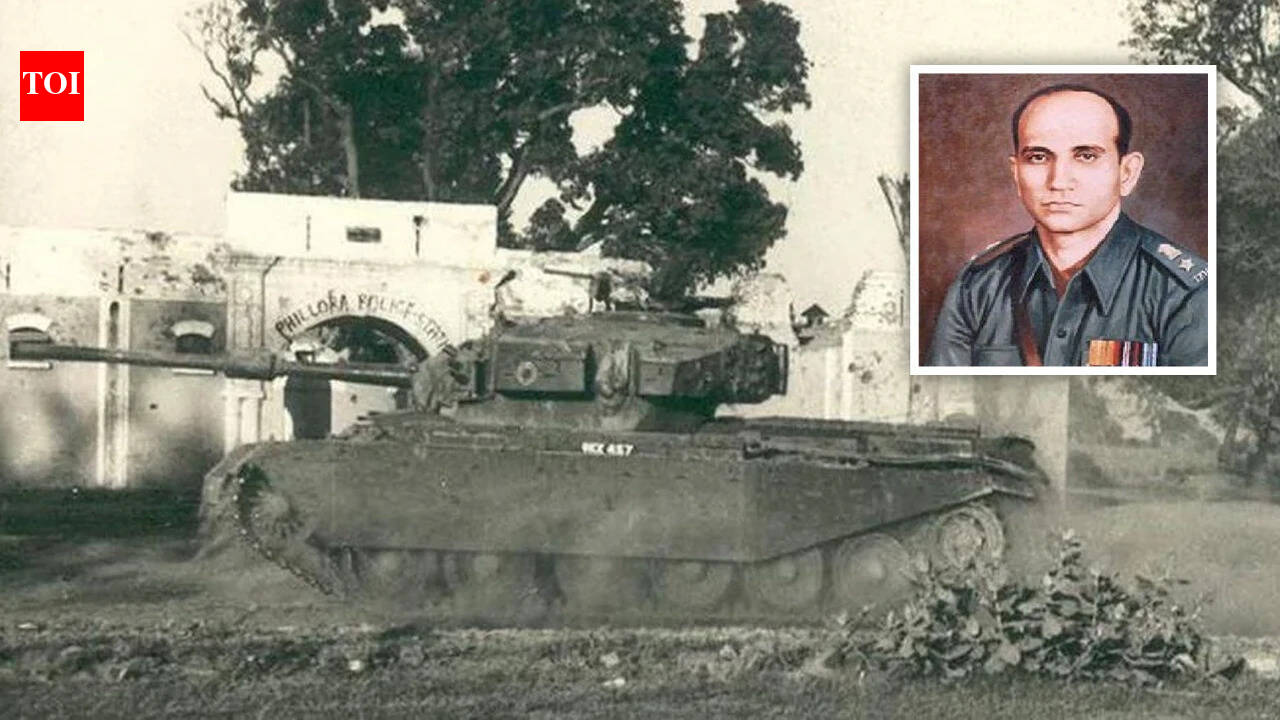
Lieutenant Colonel Ardeshir Tarapore posthumously received India's Param Vir Chakra for his heroic leadership during the 1965 war. Commanding the Poona Horse regiment, he led a decisive tank battle in the Sialkot sector, destroying 60 enemy tanks while sacrificing his life.
The Heroic Legacy of Lt Col Ardeshir Tarapore
Lieutenant Colonel Ardeshir Burzorji Tarapore remains a towering figure in Indian military history, immortalized by his extraordinary leadership during the 1965 Indo-Pakistani War. As the commander of The Poona Horse, one of the most decorated regiments in the Indian Army, Tarapore spearheaded a critical offensive in the Sialkot sector. His actions during those six days of relentless combat were not merely tactical maneuvers but a display of profound courage that defined the outcome of the armored engagements in that theater.
A Masterclass in Armored Warfare
The engagement in the Sialkot sector stands as a testament to the superiority of the Centurion tanks utilized by the Poona Horse and the tactical brilliance of their commander. Facing an entrenched enemy, Tarapore’s regiment achieved a lopsided victory that remains a subject of study in military academies today. By destroying approximately 60 enemy tanks while incurring only nine losses, the regiment effectively neutralized a significant portion of the opposing armored division, preventing potential breakthroughs and securing vital ground.
The Price of Valor
What elevates Lt Col Tarapore’s narrative beyond standard military history is his personal resolve. Despite sustaining severe wounds during the heat of battle, he famously refused evacuation. His decision to remain on the front lines with his men served as a catalyst for the regiment's continued aggression and morale. This choice ultimately cost him his life, but it cemented his reputation as a leader who prioritized the mission and his soldiers above his own survival.
The Param Vir Chakra: A Symbol of Supreme Sacrifice
In recognition of his unwavering bravery and leadership, Lt Col Tarapore was posthumously awarded the Param Vir Chakra, India's highest wartime gallantry award. The Param Vir Chakra is seldom bestowed, reserved only for acts of the most conspicuous gallantry in the face of the enemy. His inclusion among the ranks of India's most celebrated heroes serves as a reminder of the human cost of the 1965 conflict and the caliber of officers who stood in the line of fire.
Institutional Memory and Historical Significance
The legacy of the Poona Horse, bolstered by Tarapore’s heroism, continues to be a cornerstone of Indian military tradition. The image of the Indian Centurion tank left at the Phillora Police Station serves as a physical marker of the distance pushed into enemy territory during the campaign. By analyzing the 1965 war through the lens of individual sacrifice, we gain a deeper appreciation for the strategic resilience that characterized the Indian Army's response to the challenges of that era.
Conclusion
Lieutenant Colonel Ardeshir Tarapore’s life and death provide a profound case study on the impact of individual leadership in large-scale mechanized warfare. His refusal to yield, even when wounded, exemplifies the ethos of the Indian armed forces. As we look back at the events of 1965, the story of the 'Commander who would not leave' remains a vital piece of national heritage, inspiring future generations of soldiers to uphold the highest standards of duty and sacrifice.