Luis de la Fuente: The architect of Spain who loves bullfighting
Source Entity
Sandip G
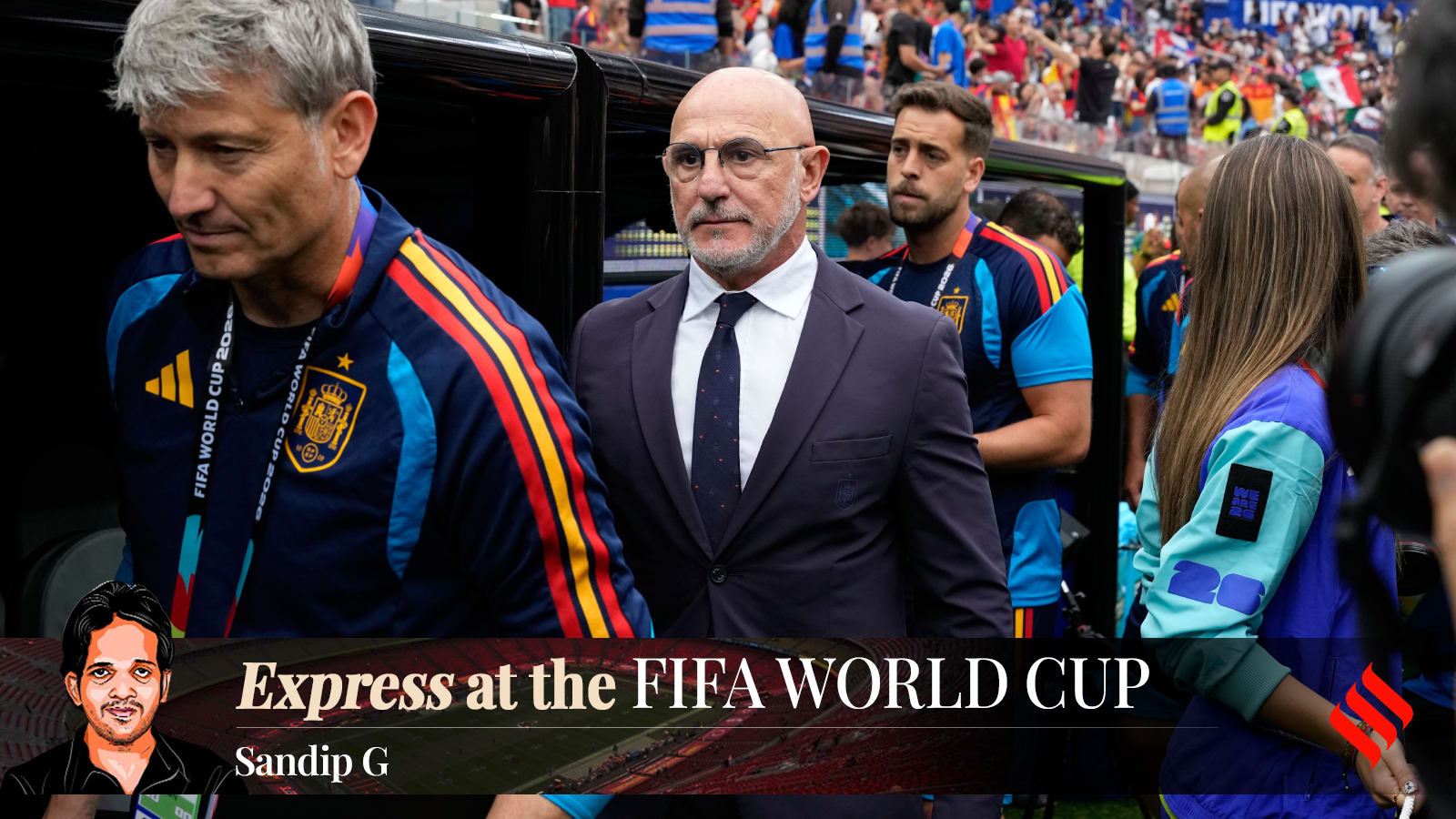
Everything is akin to a bullfight to Spain’s manager Luis de la Fuente. He calls himself a taurino — a bullfighting tragic. Every year, he makes it to the annual bullfighting fare in Plaza de Toros de...
The Cultural Architect: Luis de la Fuente and the Spirit of the Bullfight
Luis de la Fuente, the steward of Spain's national football team, is more than just a tactician; he is a man deeply embedded in the traditional fabric of Spanish culture. By identifying himself as a taurino—a devotee of bullfighting—de la Fuente reveals a psychological framework that views the football pitch not merely as a field of play, but as an arena of high drama, precision, and existential struggle. This intersection of traditional art and modern sport provides a unique lens through which to view his leadership, suggesting that his approach to the game is informed by the rhythmic, disciplined, and often tragic nature of the bullring.
The Philosophy of the Taurino
To understand de la Fuente's identity as a taurino is to understand the concept of the 'tragic' in Spanish art. Bullfighting is not viewed by its enthusiasts as a mere sport, but as a ritualized dance between life and death, requiring absolute composure under extreme pressure. For de la Fuente, this translates into a managerial style that prizes composure and the ability to maintain a 'cool head' while facing an aggressive opponent. By attending the annual bullfighting fairs in the Plaza de Toros, he immerses himself in an environment where a single mistake can be fatal, a mindset that likely informs his meticulous preparation and his demand for perfection from his players during high-stakes international tournaments.
Tactical Parallelism: The Bullring and the Pitch
There is a profound tactical parallel between the movements of a matador and the strategic orchestration of a football match. In bullfighting, the matador must use a cape to divert the bull's energy, using the opponent's strength against them through precise positioning and timing. De la Fuente, as the 'architect' of the Spanish squad, employs a similar philosophy of manipulation and space. His tactical setups often mirror this 'cape-work,' drawing opponents out of position and utilizing quick, precise movements to create openings. The discipline required to stand still while a bull charges is not unlike the patience required to maintain possession and wait for the perfect moment to strike in a tight defensive game.
Bridging Tradition and Modernity
De la Fuente's public embrace of bullfighting also serves as a bridge between the traditionalist roots of Spain and the globalized, modern era of professional football. In a time where sports are often sterilized for global consumption, his unapologetic passion for a controversial and deeply local tradition asserts a strong sense of national identity. This cultural anchoring allows him to instill a specific brand of 'Spanishness' in his team—one characterized by bravery, elegance, and a certain flair for the dramatic. By grounding his leadership in these values, he fosters a team spirit that is not just about winning, but about representing the soul and heritage of their country.
Psychological Resilience and the 'Tragic' Element
One of the most intriguing aspects of de la Fuente's perspective is his embrace of the 'tragic' nature of the bullfight. In football, tragedy manifests as the heartbreaking loss in a final or a sudden injury to a key player. A manager who views life through the lens of a taurino is uniquely equipped to handle these setbacks. Rather than seeing failure as a void, de la Fuente likely views it as an inherent part of the struggle, a necessary component of the drama that makes victory more meaningful. This psychological resilience allows him to guide his players through the emotional volatility of a tournament, treating every match as a distinct 'act' in a larger narrative.
Conclusion: A Legacy of Passion and Precision
Ultimately, Luis de la Fuente represents a rare blend of the academic tactician and the passionate traditionalist. By synthesizing the discipline and bravery of the bullring with the complexities of modern football, he has created a leadership style that is uniquely Spanish. His identity as a taurino is not a mere hobby, but a guiding philosophy that informs his tactical precision and emotional intelligence. As he continues to lead the national team, the influence of the Plaza de Toros will likely remain a cornerstone of his identity, ensuring that the Spanish team plays with the courage and artistry of a matador.